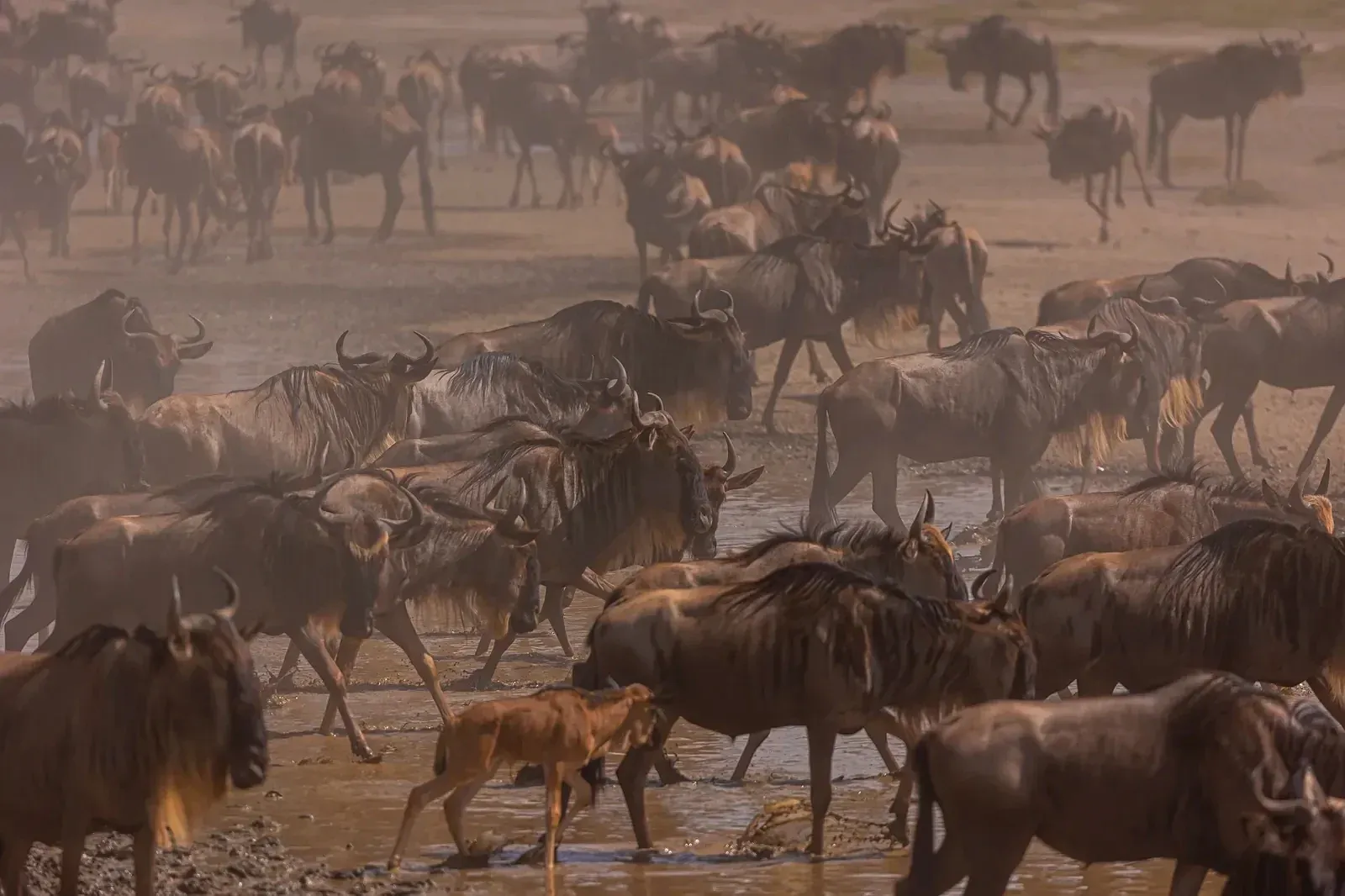
Two million animals. One migration. It never crosses the same place twice.
Track the herds with people who watch them move, season after season — then build your safari around exactly where they'll be.
Track the herds with people who watch them move, season after season — then build your safari around exactly where they'll be.
Right Now
The herds' position shifts week to week with the rains — there's no fixed calendar, only patterns. Yera tracks the migration in real time through live reports from our ground team, camp managers, and ranger contacts across the ecosystem, so your itinerary reflects where the herds actually are, not where they were last season.
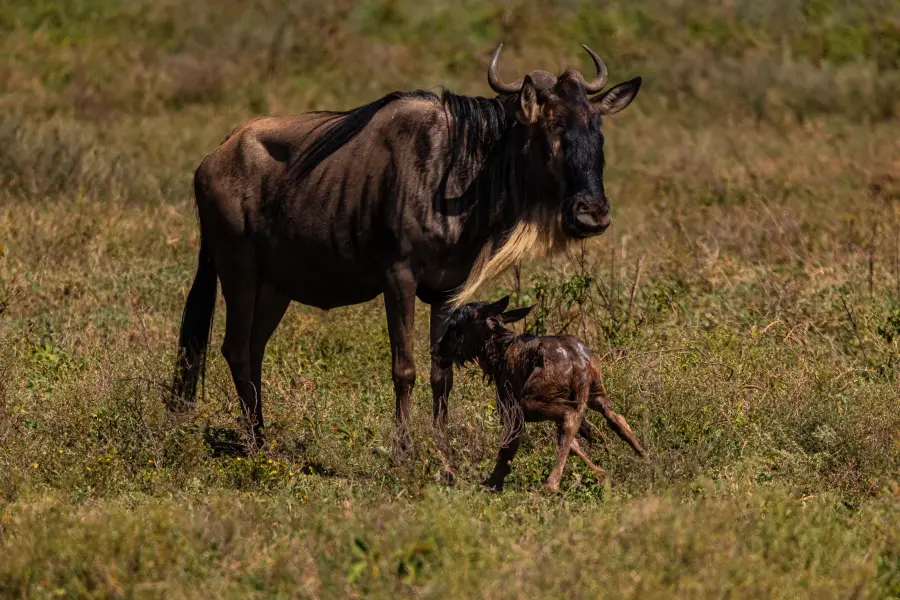
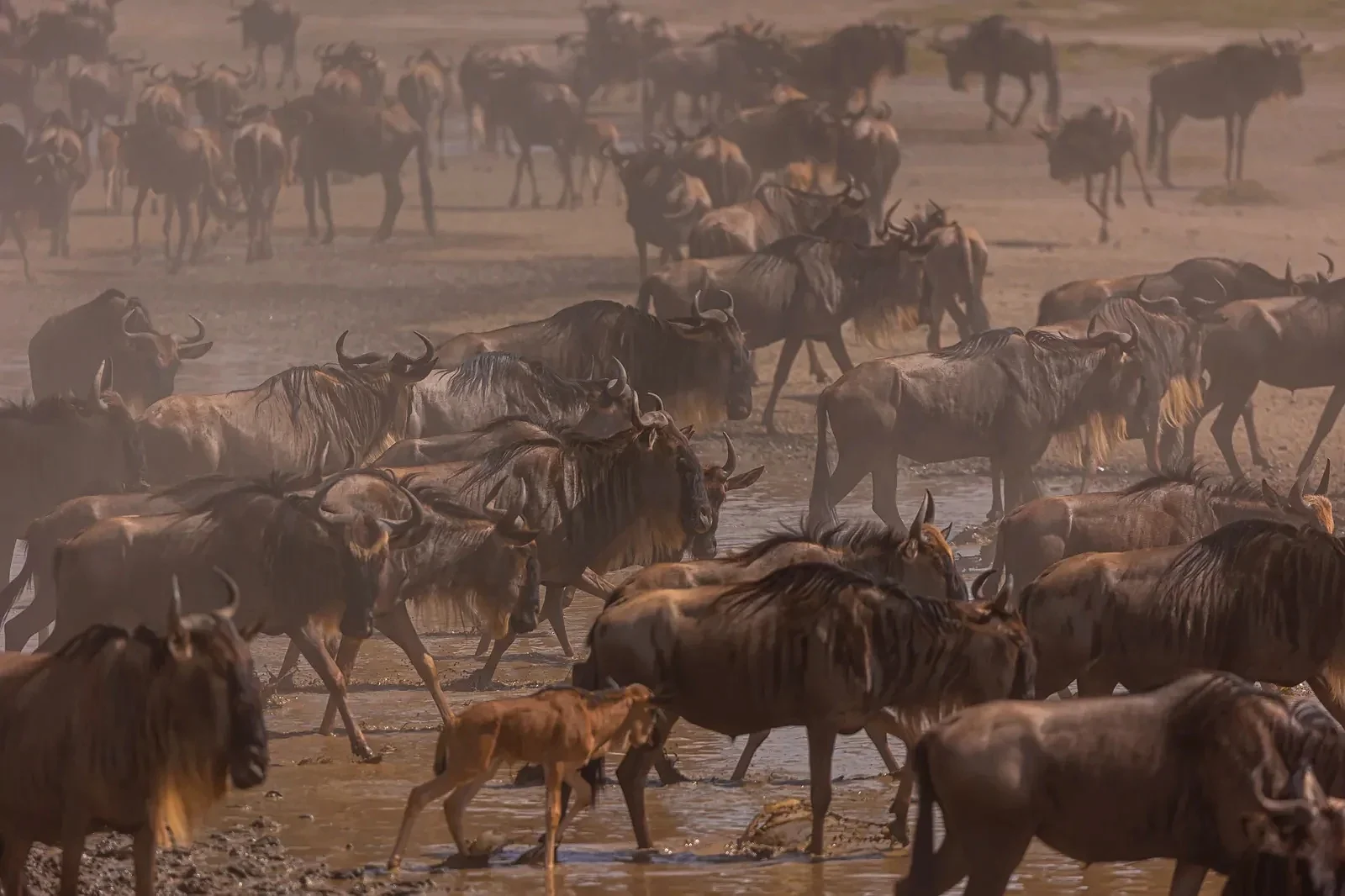
Jan – Feb
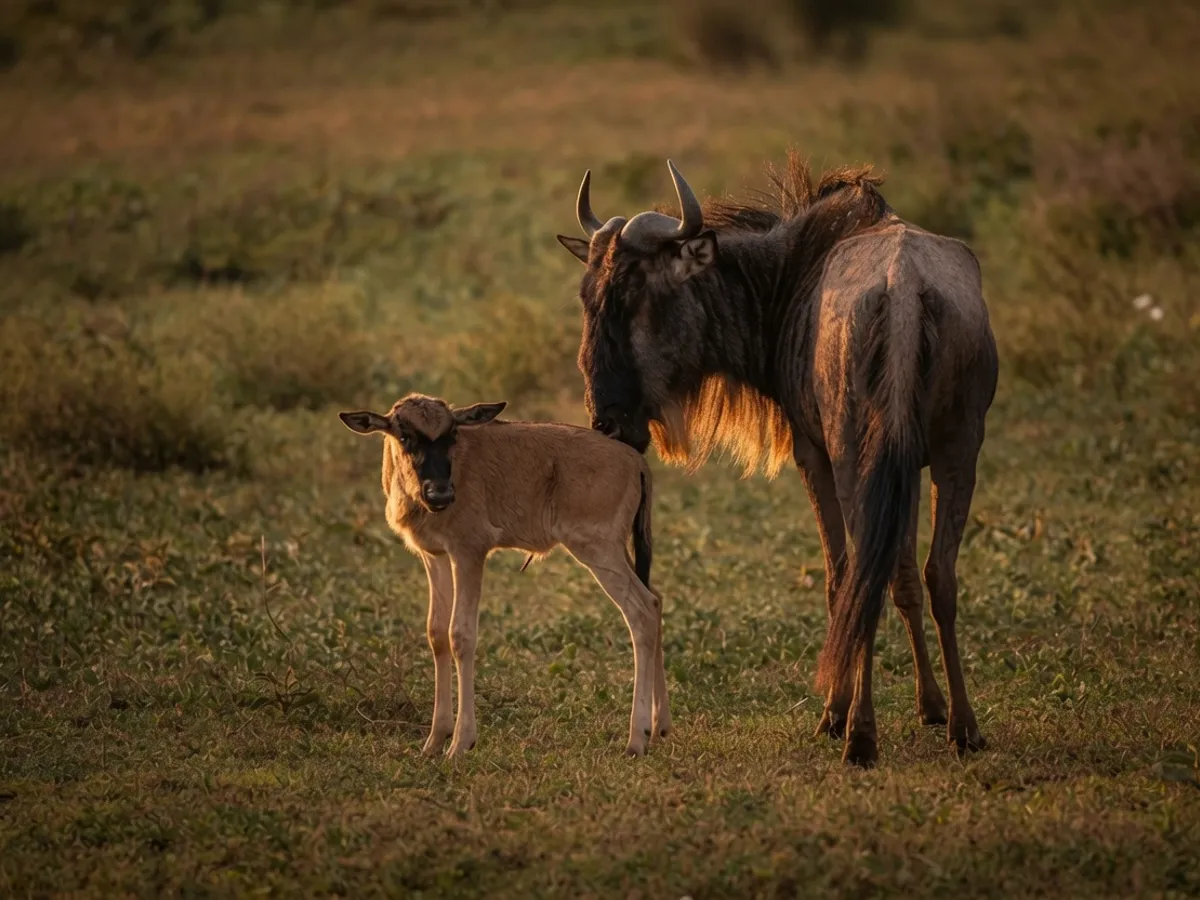
Calving season across the Southern Serengeti & Ndutu.
Mar
Herds linger on the southern plains before moving north.
Apr – May
Long rains push the herds into the Western Corridor.
Jun
Grumeti River crossings begin.
Jul – Aug
Herds push north; Mara River crossings begin.
Sep
Peak crossings, Northern Serengeti & Maasai Mara.
Oct – Nov
Herds start the journey back south.
Dec
Return to the Southern Serengeti as calving season nears.
Find Your Window
Tell us when you're free to travel and we'll tell you exactly which region the migration will be in — then build a private itinerary around it.
Thank you — we'll be in touch shortly with exactly where the herds will be for your dates.
River Crossing Camps 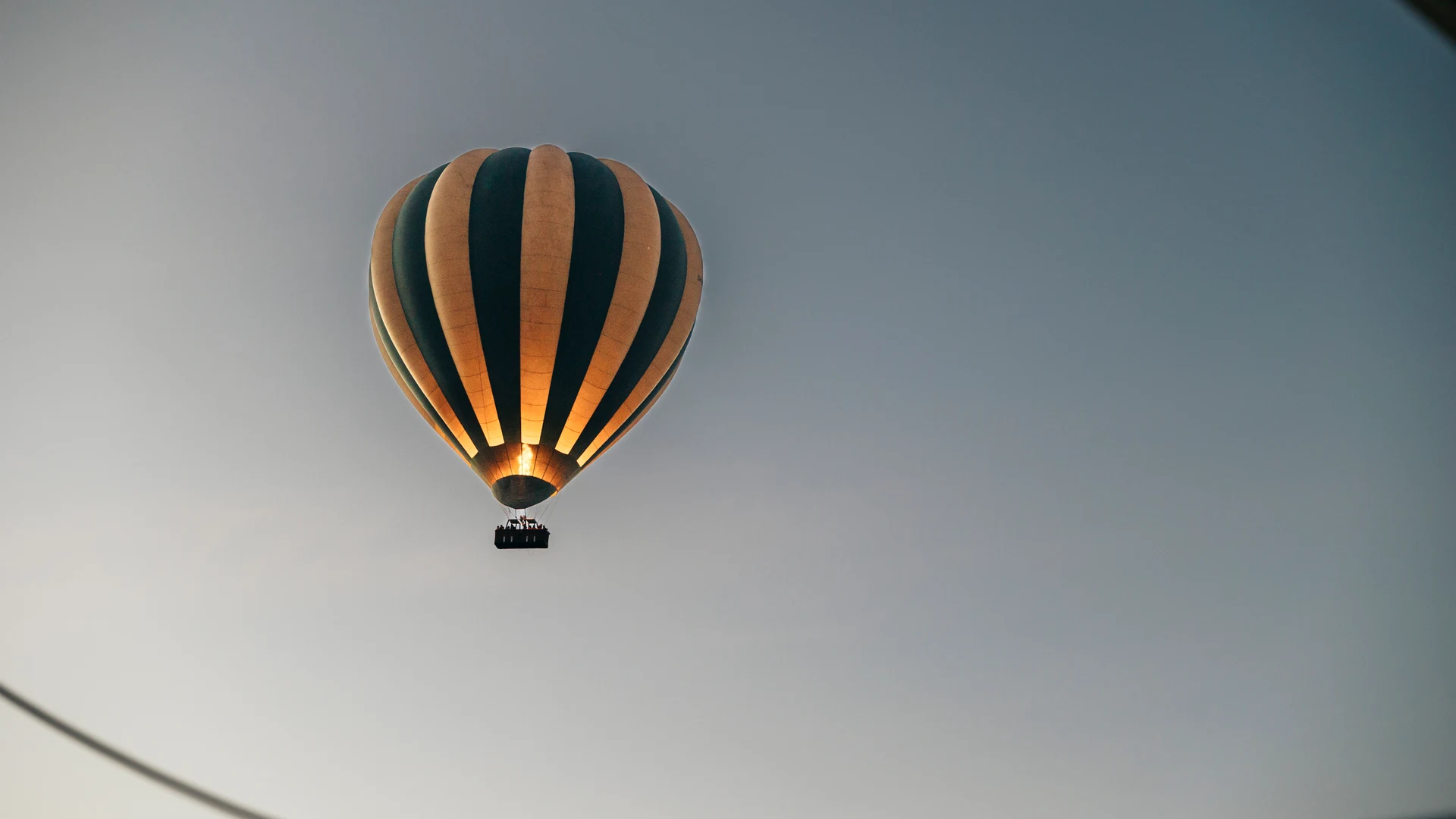 Hot Air Balloon Over the Herds
 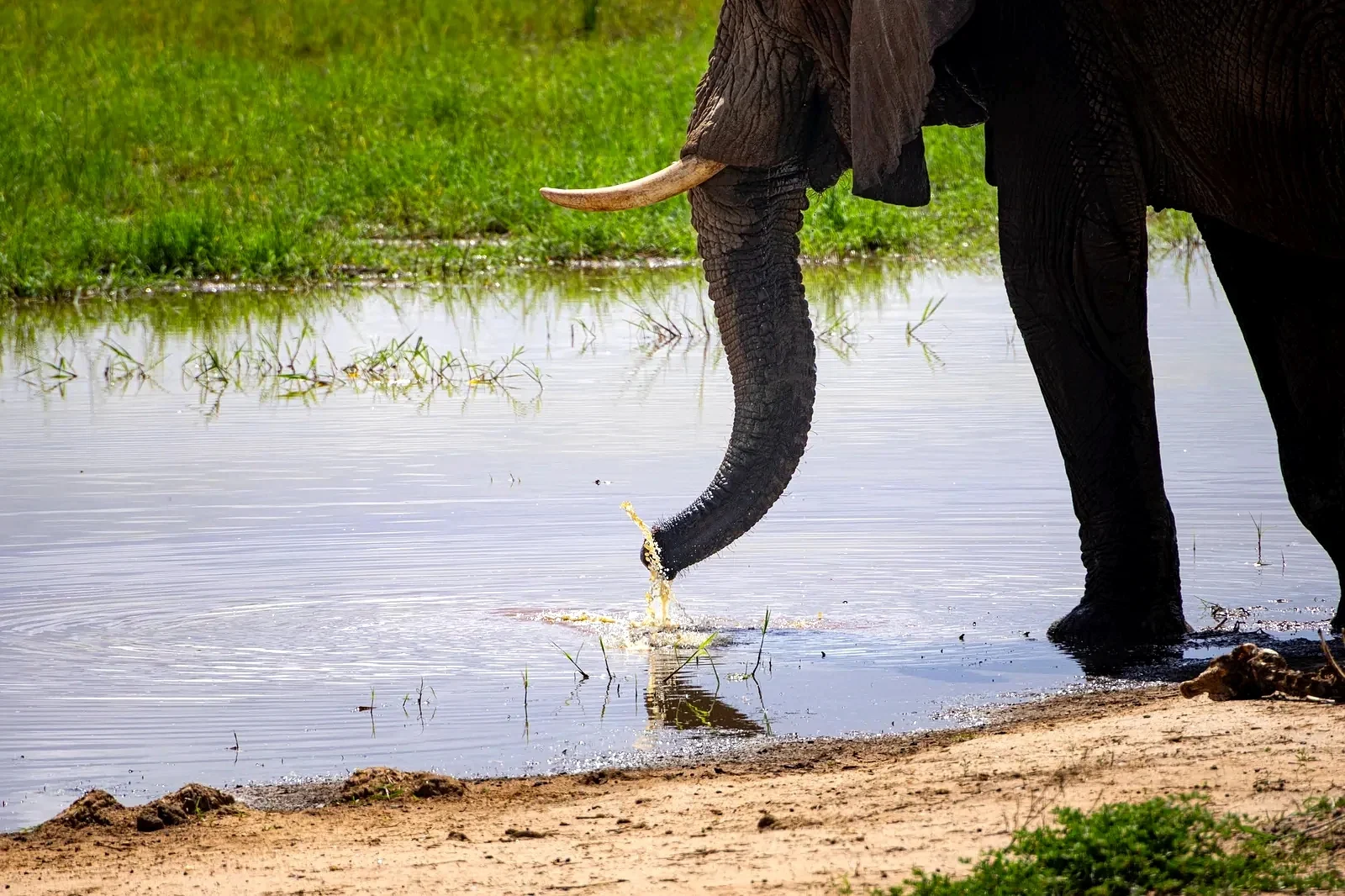 Private Mobile Camps
 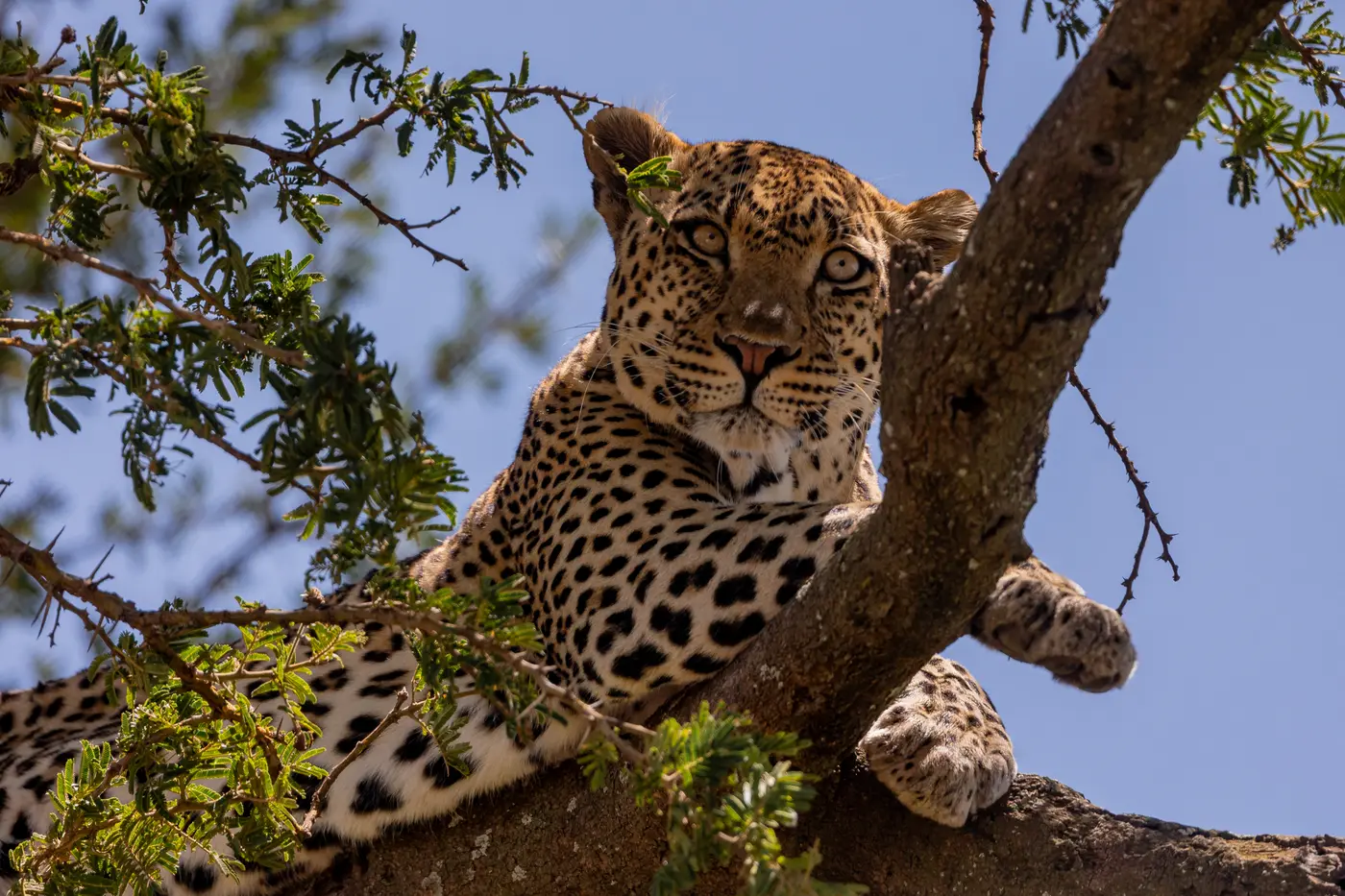 Predator-Focused Drives
 Twenty years of guiding this ecosystem means we don't work off a fixed script. Our ground team adjusts routes and camp positioning in real time as the herds move, so you're never chasing yesterday's sighting.
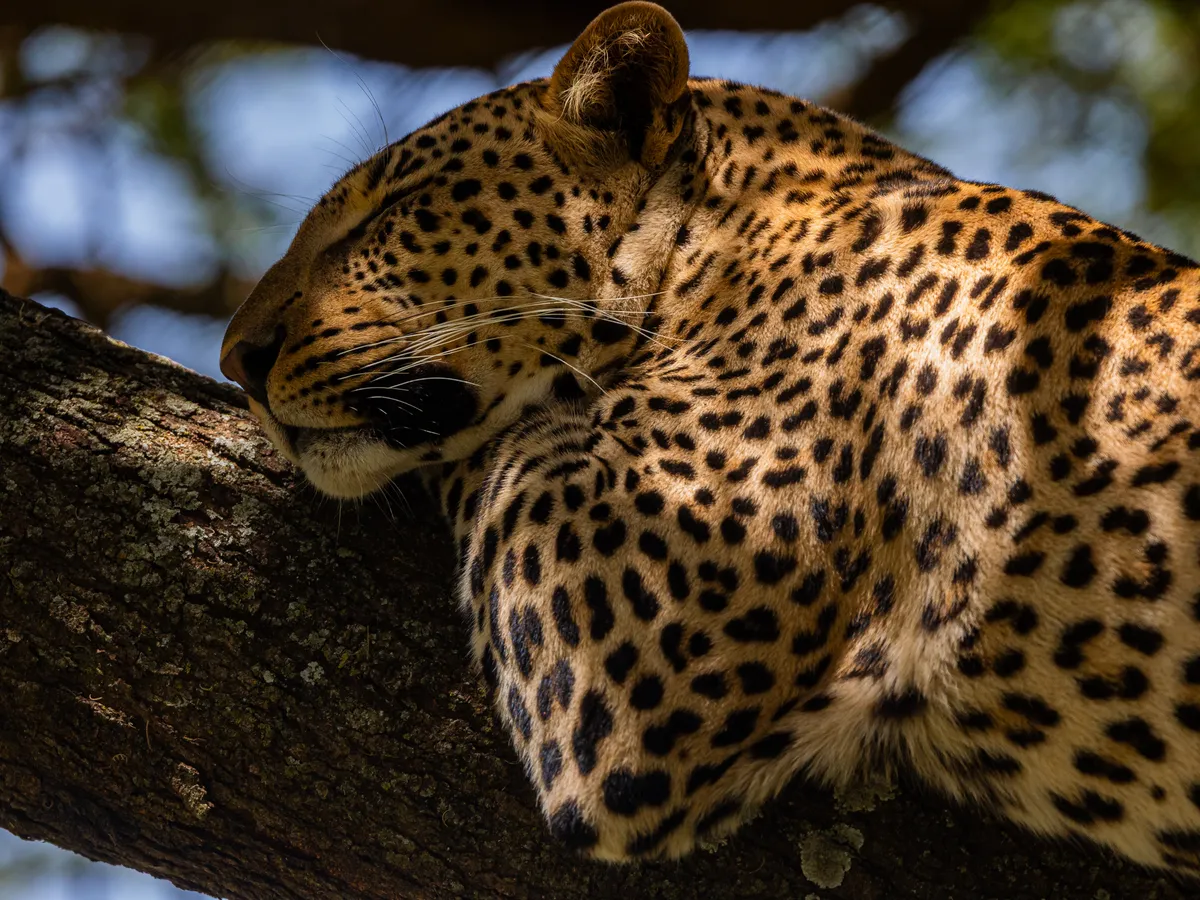
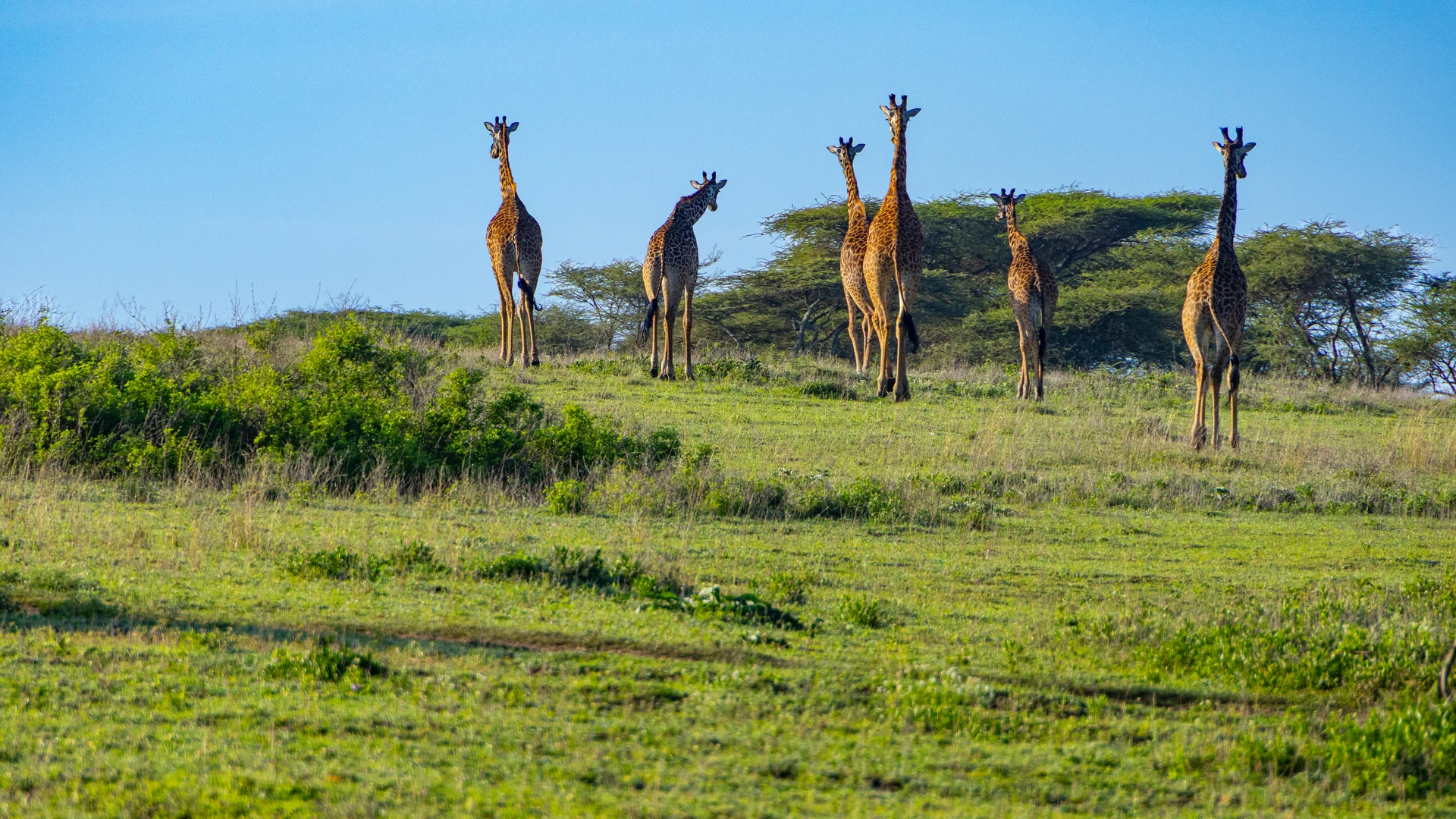
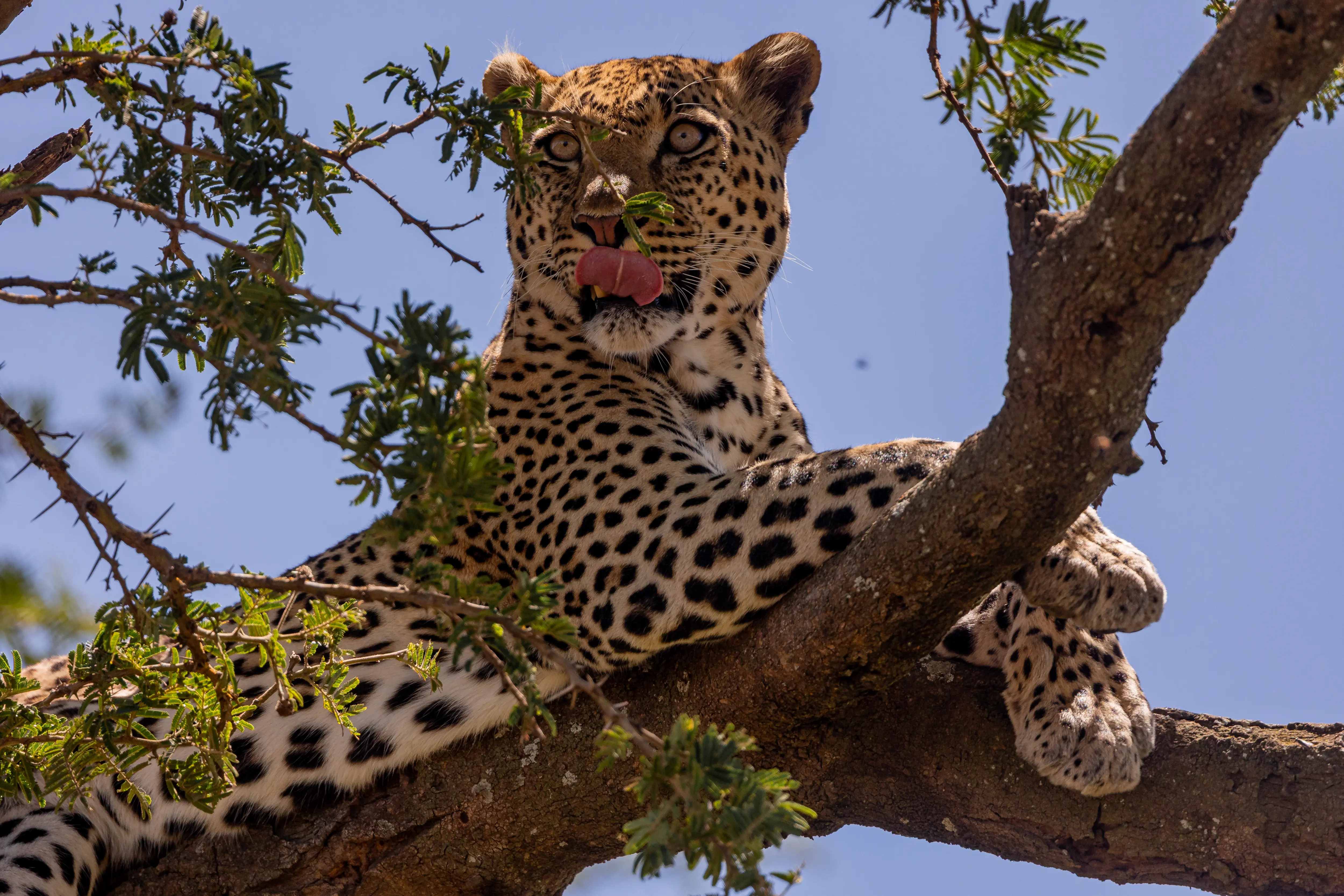
The migration is only part of the story. Resident lion prides, leopard, and cheetah hold territory across the Serengeti year-round, and the predator action around the herds — ambushes at river crossings, hunts on the open plains — is often the most dramatic wildlife viewing of the trip.
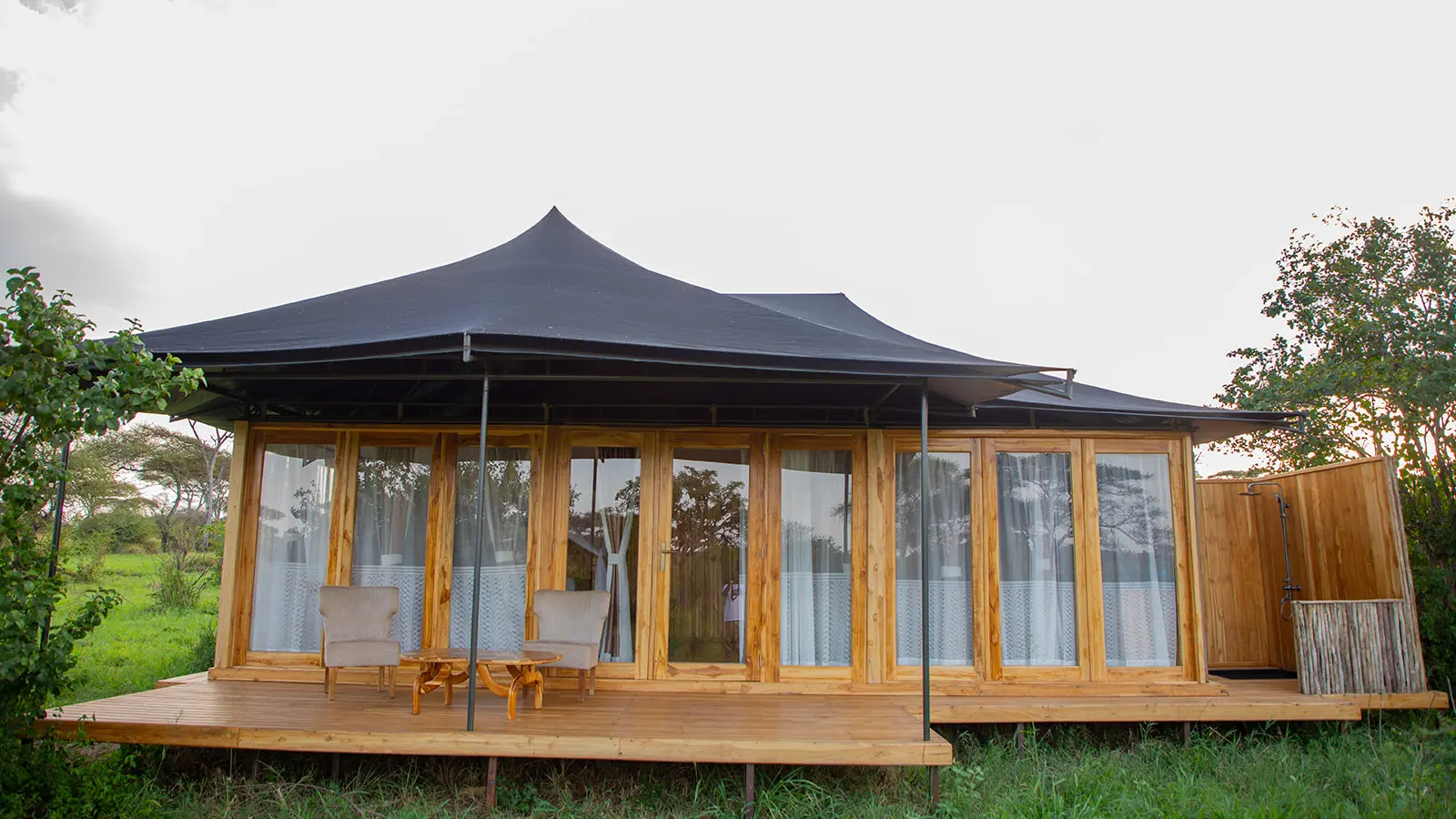
Where you stay is dictated by where the herds are, not the other way around. We choose camps by their position along the migration route for your travel month, and that choice shifts throughout the year — the right camp in July is rarely the right camp in December.
"We stood on the riverbank as the first wildebeest broke, then thousands followed. Nothing prepares you for that sound."
Traveller, Northern Serengeti
"Waking up to calves taking their first steps, predators circling — it was raw in a way I didn't expect."
Traveller, Ndutu
"Our guide moved us twice mid-trip when the herds shifted. We saw the crossing because of it."
Traveller, Maasai Mara
July through October gives you the best odds, with August and September typically the most active — though crossings can happen any day during that window, never on a fixed schedule.
No one can guarantee a specific crossing — the herds move on their own timeline. What we can do is position you in the right region, at the right camp, for the longest possible window of opportunity.
For peak crossing season (July–October), 6–12 months ahead is ideal — the best-positioned camps sell out early. Calving season (January–March) has a bit more flexibility.
No — the migration is a single, continuous cycle across the Serengeti-Mara ecosystem, moving between Tanzania and Kenya's Maasai Mara depending on the season.
Your ground team tracks the herds daily and can adjust your route and activities up to the last moment, so your safari follows where the migration actually is, not where it was when you booked.
Ready When You Are
Tell us your dates and interests — we'll shape a private itinerary suited to you, from the first game drive to the last sundowner.
Request a Quote