Light
Drives Planned Around Golden Hour
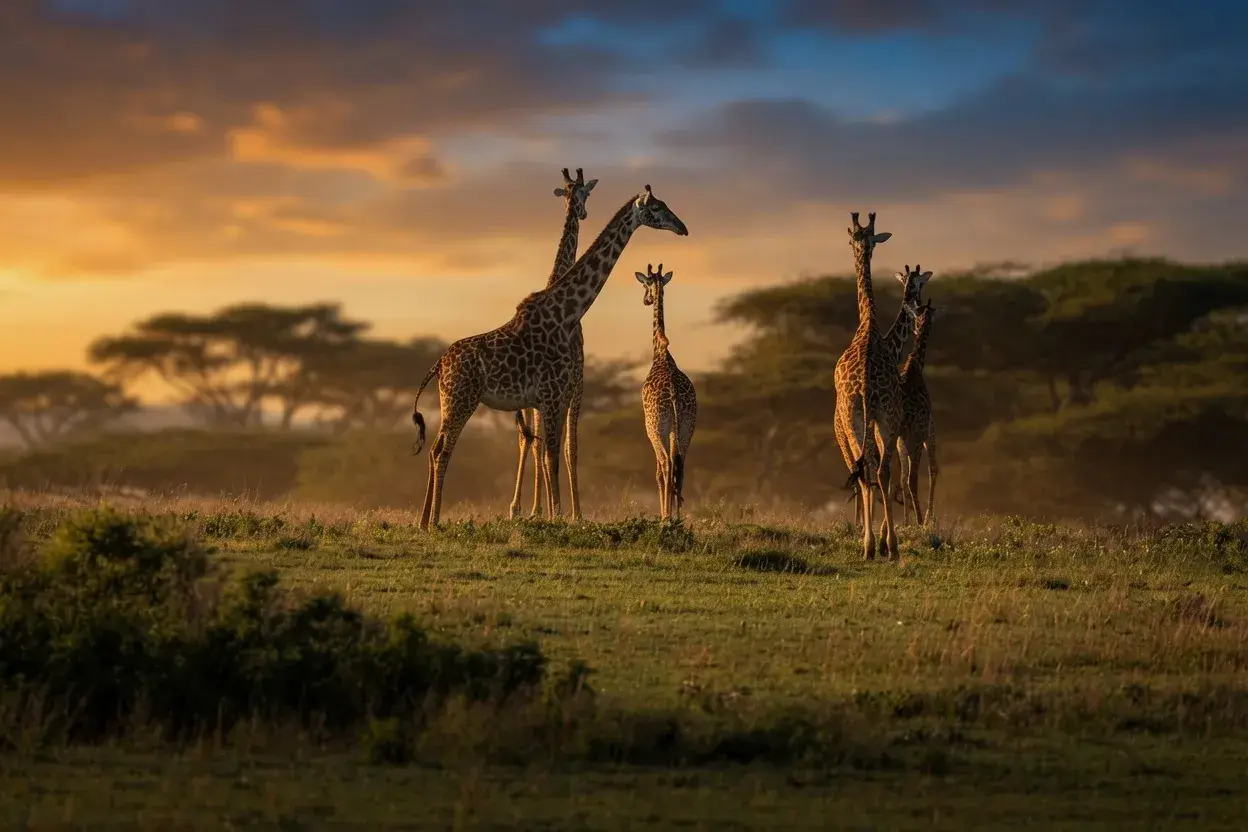
Out at first light and back at last light, with the middle of the day for rest and editing. You shoot when the light is soft and warm.
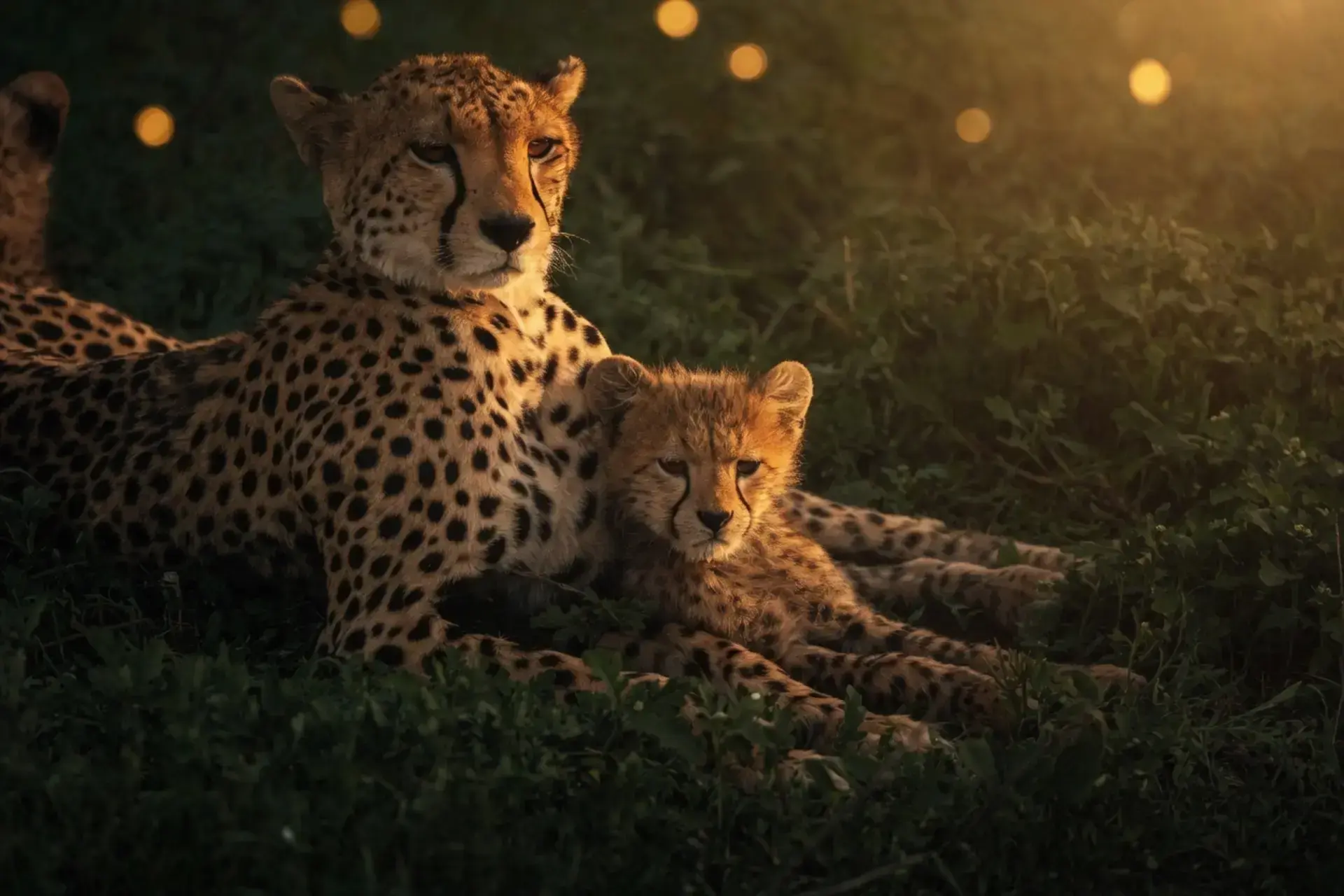
02°19′S 34°49′E Golden hour · 18:20
Planned Around the Light
From $770 Per person
Plan My Photo Safari5-Star Rated · 20+ Years in Tanzania · Room to Shoot
What is a Tanzania photography safari?
A Tanzania photography safari is a private safari planned for taking great wildlife and landscape photos. With Yera Journeys, game drives follow the best light, your guide positions the vehicle for angle and background, and you have room to shoot from a special photography vehicle. It covers the whole country, from the Serengeti migration in the north to boat safaris in Nyerere, big cats in Ruaha, chimpanzees in Mahale and dhows in Zanzibar, from $770 per person.
Why Tanzania for photography
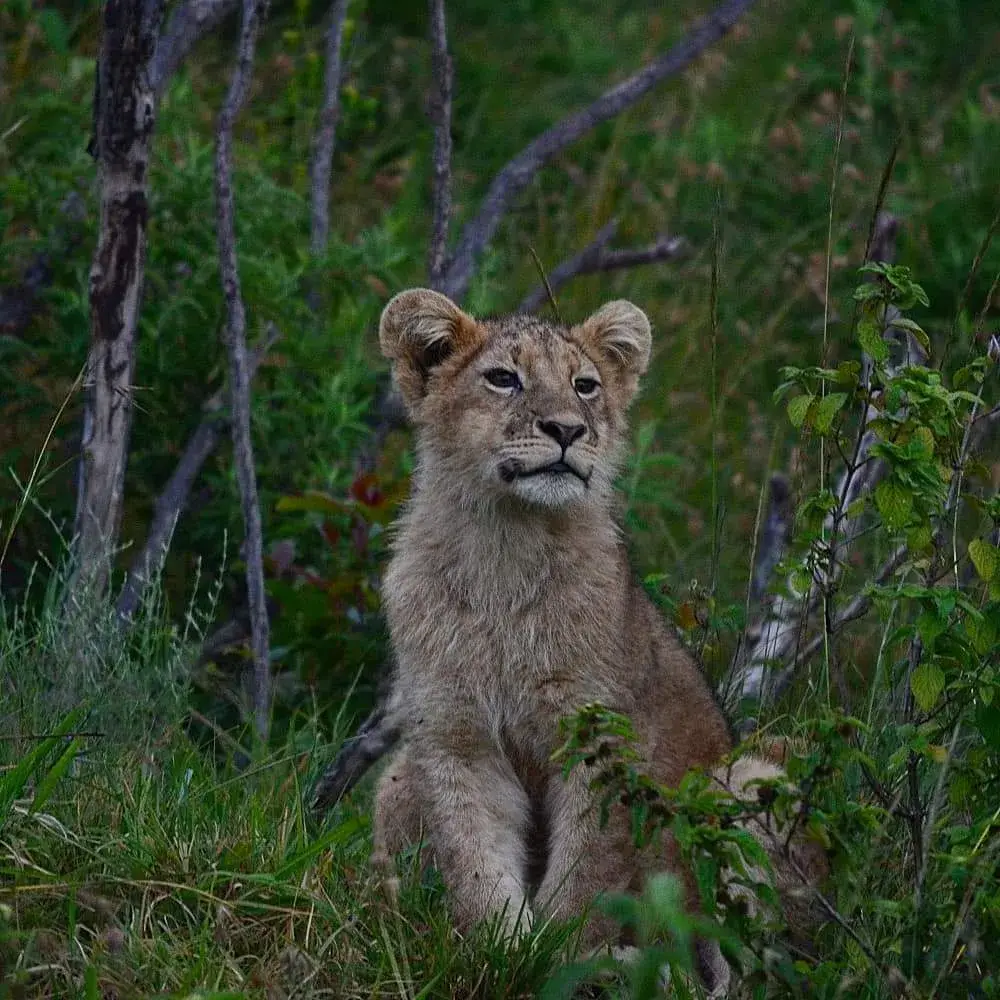
On a normal safari, the group moves on before the light is right. On a Yera photography safari, you stay. You leave camp before sunrise, wait for the lion to lift its head, and come back with images you could not get in a shared vehicle.
Tanzania gives you more variety than almost anywhere in Africa: the migration and big cats in the north, low-angle boat shots in the south, chimpanzees in western forests and turquoise water on the coast. One country, a full portfolio.
The photography difference
Better light. Better angles. More time at every sighting.
What you get
Need to get closer or reach restricted areas? See special access with a permit below.
Light
Out at first light and back at last light, with the middle of the day for rest and editing. You shoot when the light is soft and warm.
Vehicle
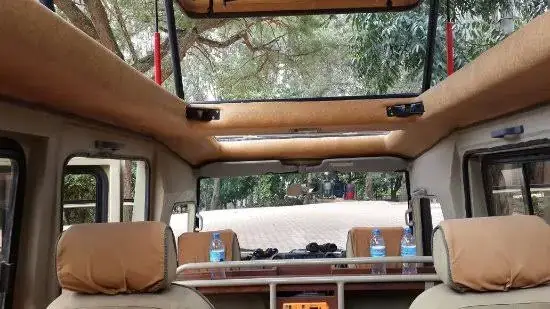
Fewer seats, wide windows and a pop-up roof, so every photographer has room to shoot. Beanbags, camera mounts and charging on board.
Guiding
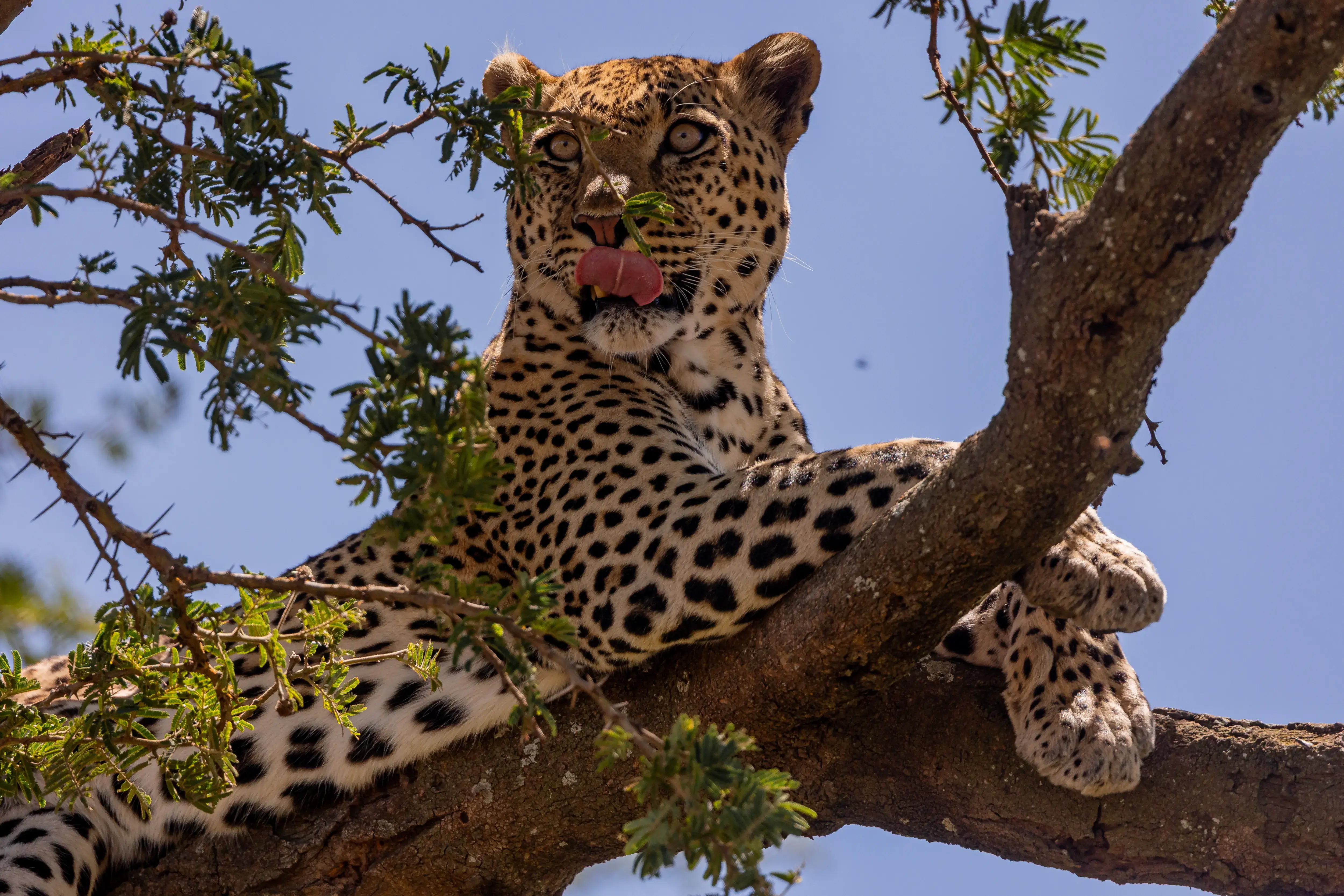
Experienced guides position the vehicle for light, angle and a clean background, then switch off the engine so your shots stay sharp.
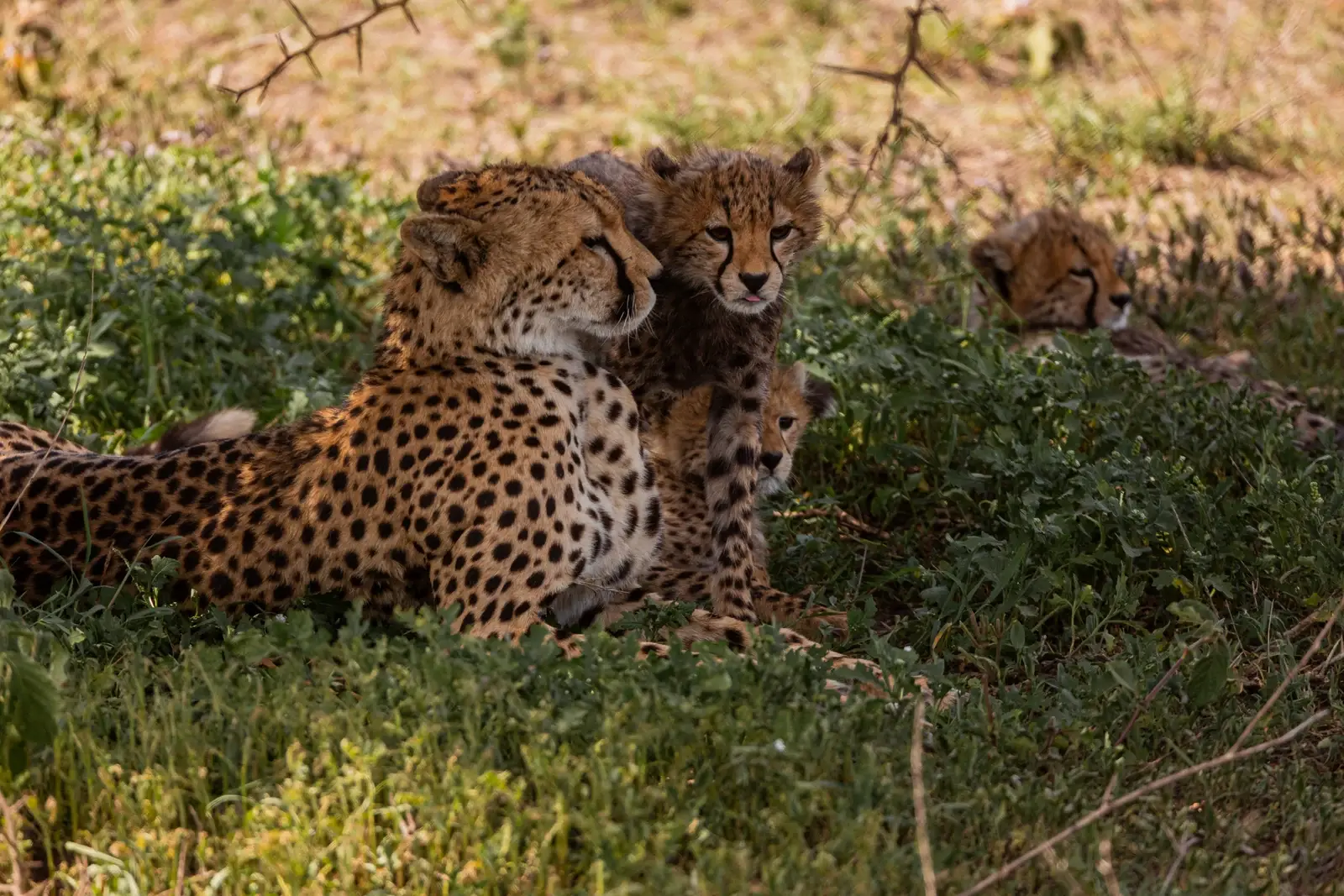
Time
No group to keep up with. Wait an hour for the hunt, the yawn or the cub to climb the tree.
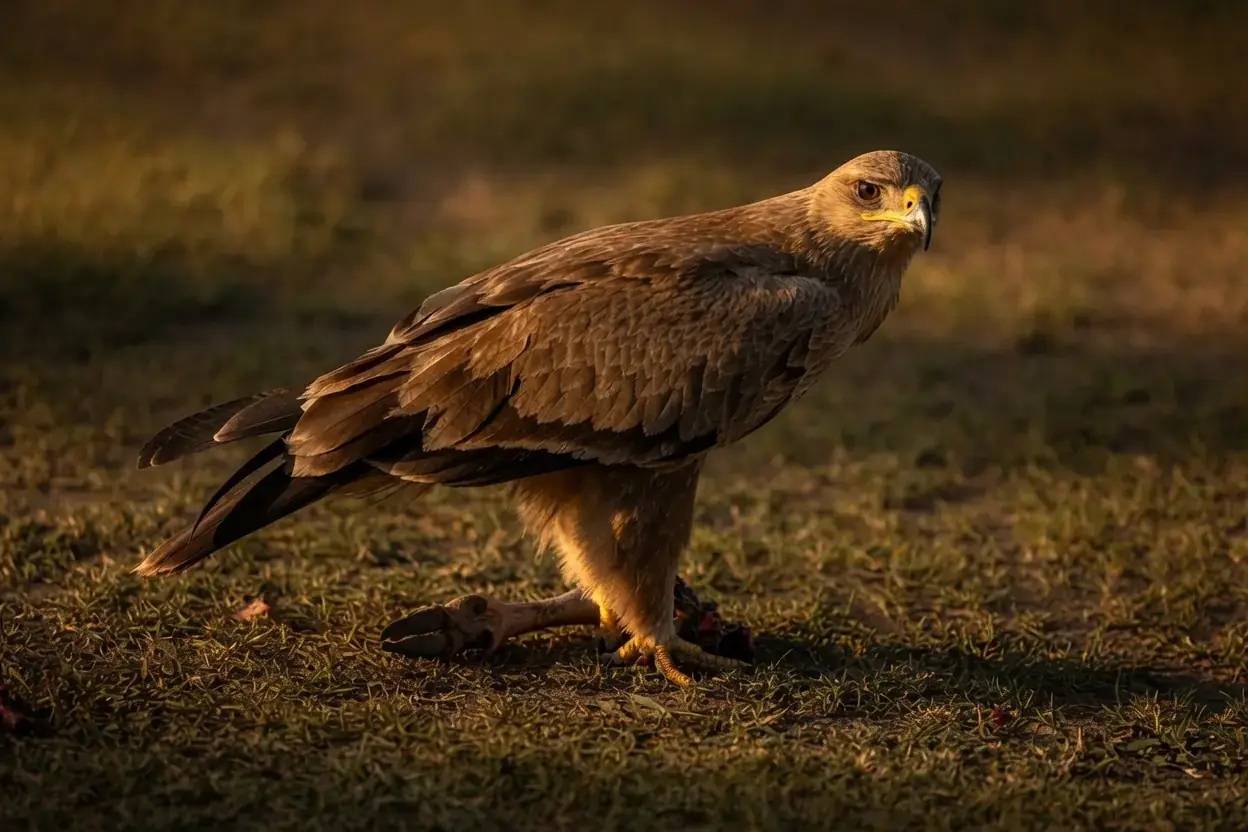
Variety
Eye-level shots from a boat in Nyerere, aerial views from a balloon or light aircraft, and walking safaris for close detail.
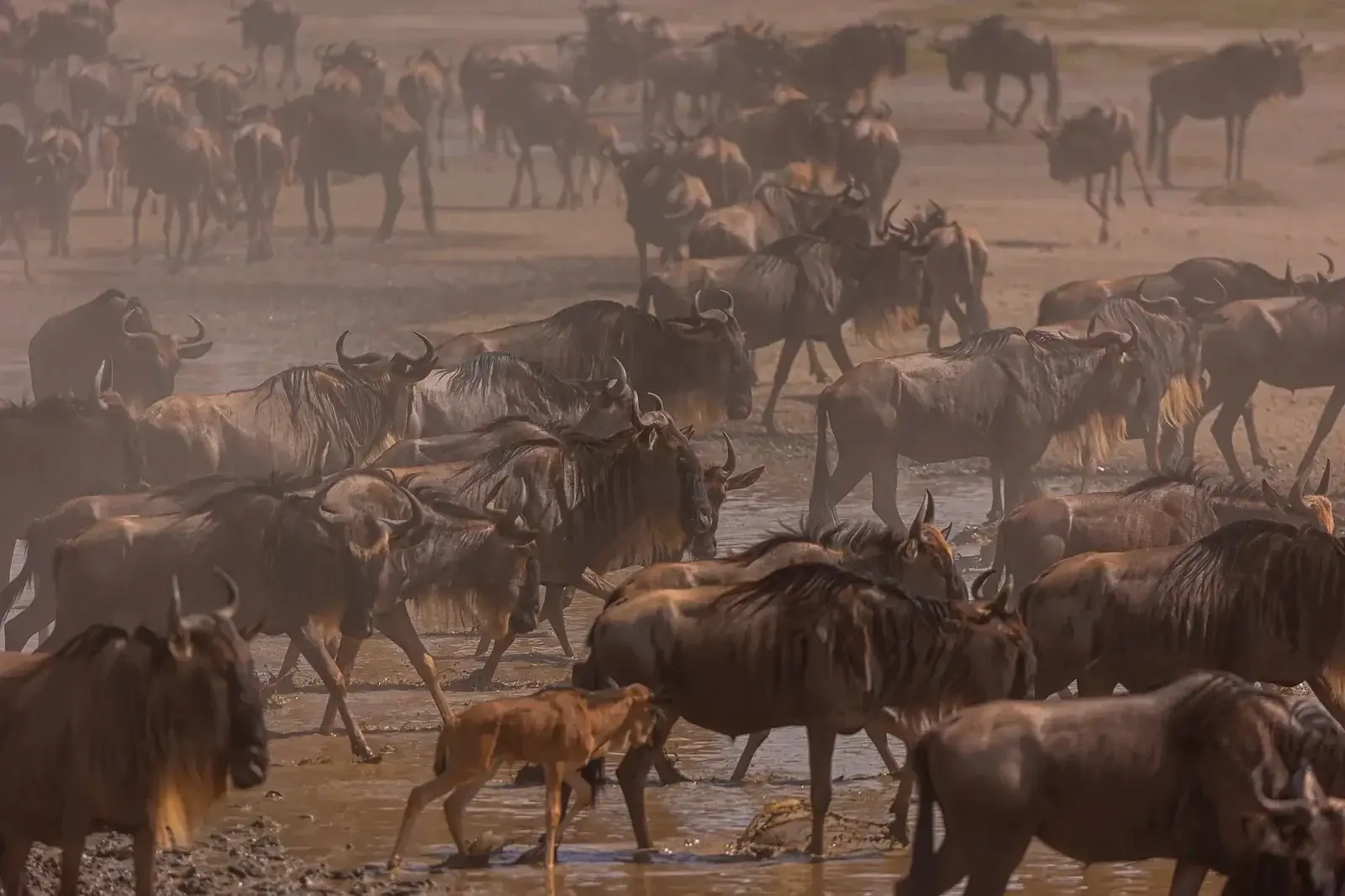
Season
Calving season, river crossings, dry-season predators or green-season skies. We put you where the action is that month.
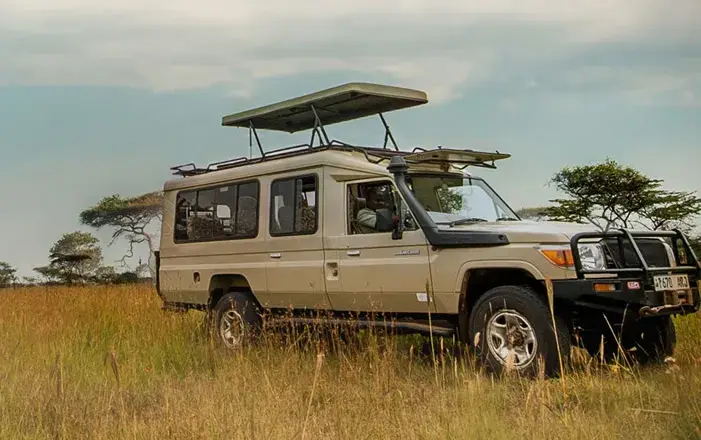
Special photography vehicle
A normal safari car is built to carry people. Ours is set up to carry photographers and their gear, so you can shoot at eye level, from any side, without fighting for space.
Available on request for photography and filming safaris. Tell us your gear when you enquire.
Built for photographers
Everything is set up so you can focus on the picture, not the logistics.
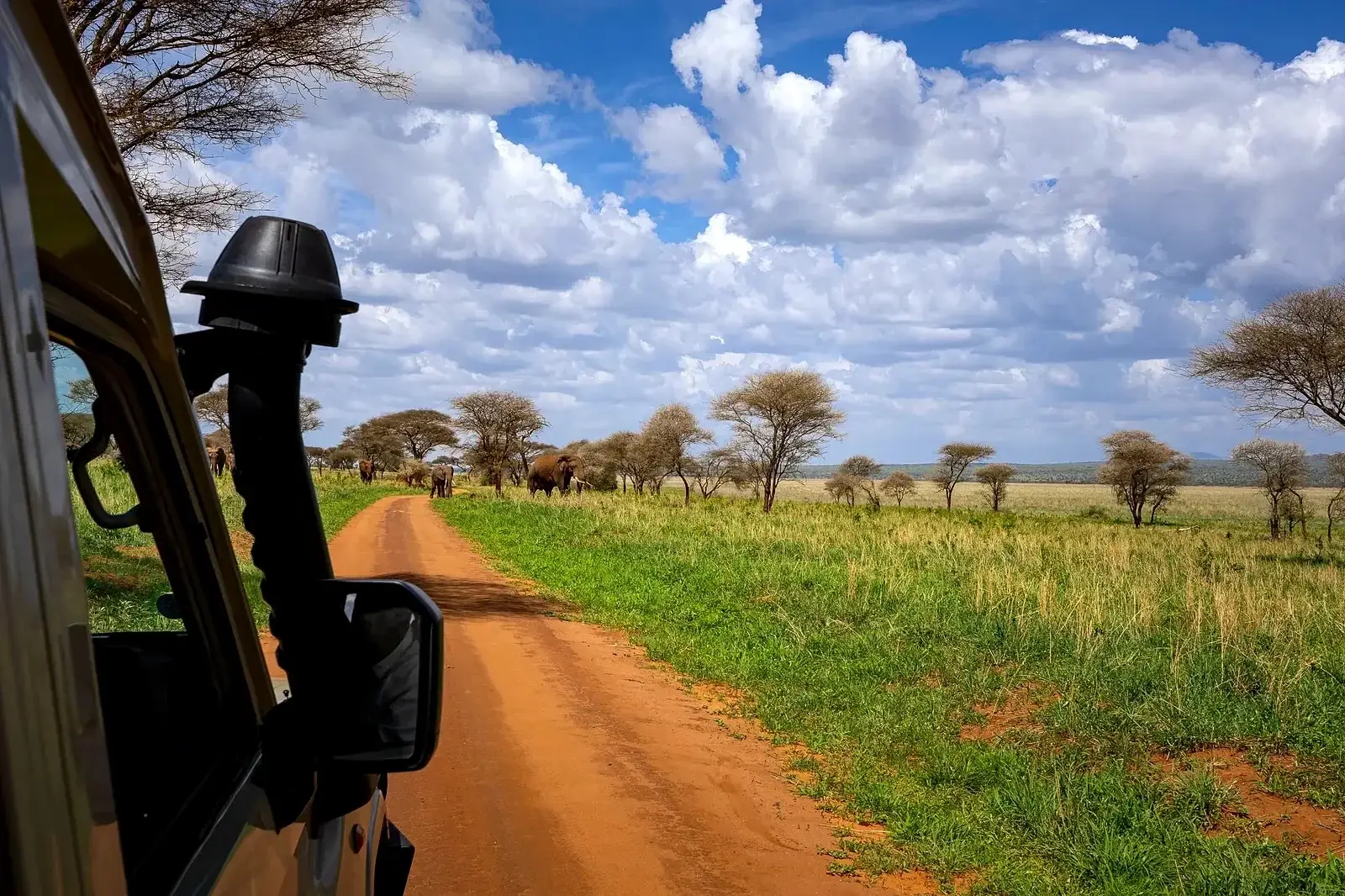
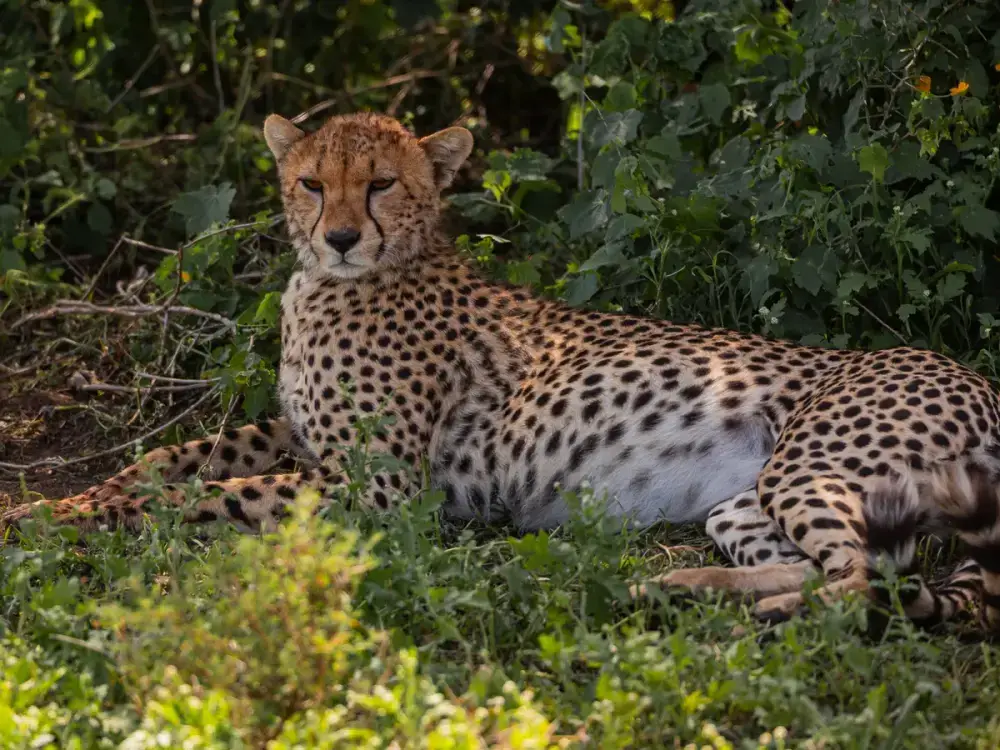
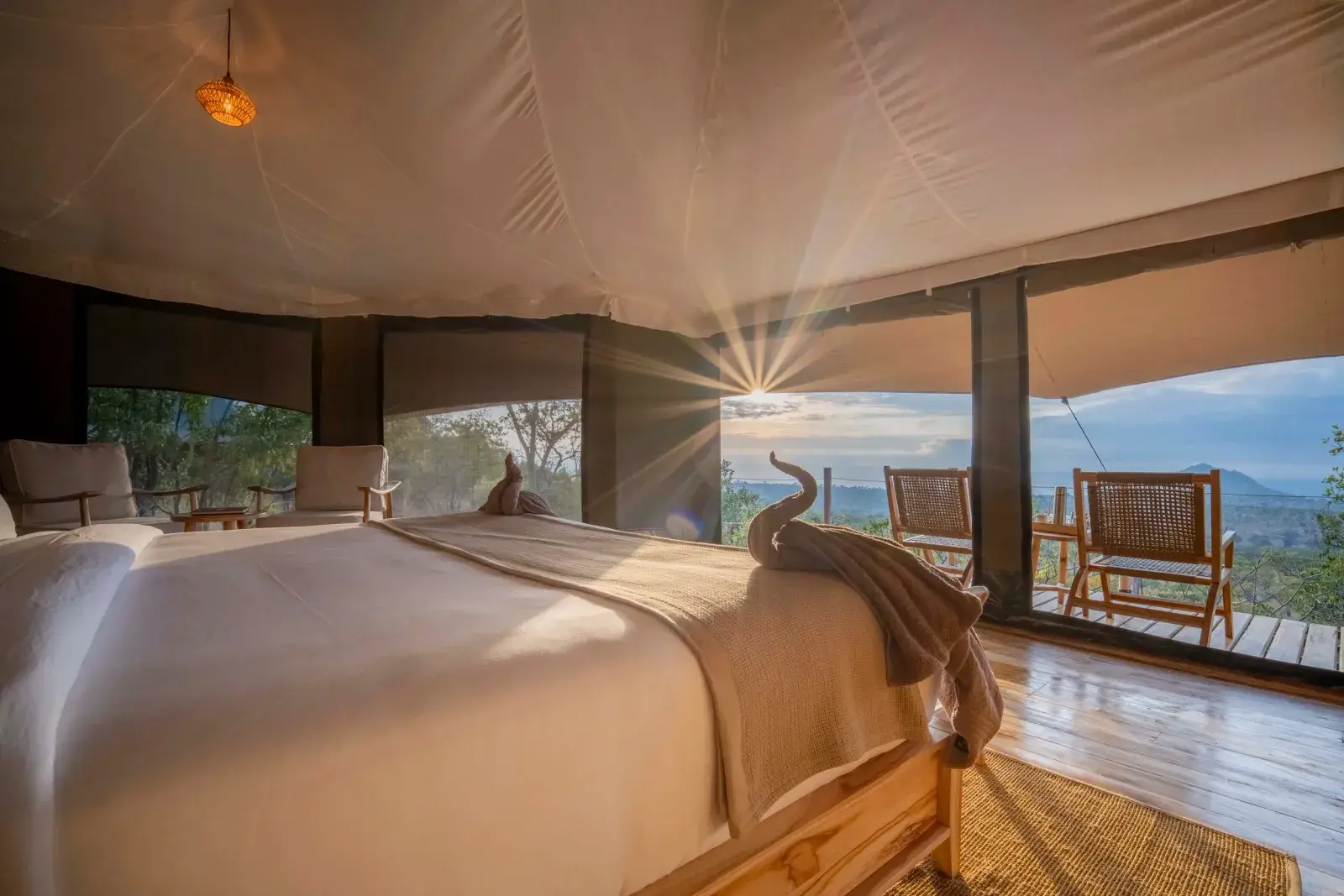
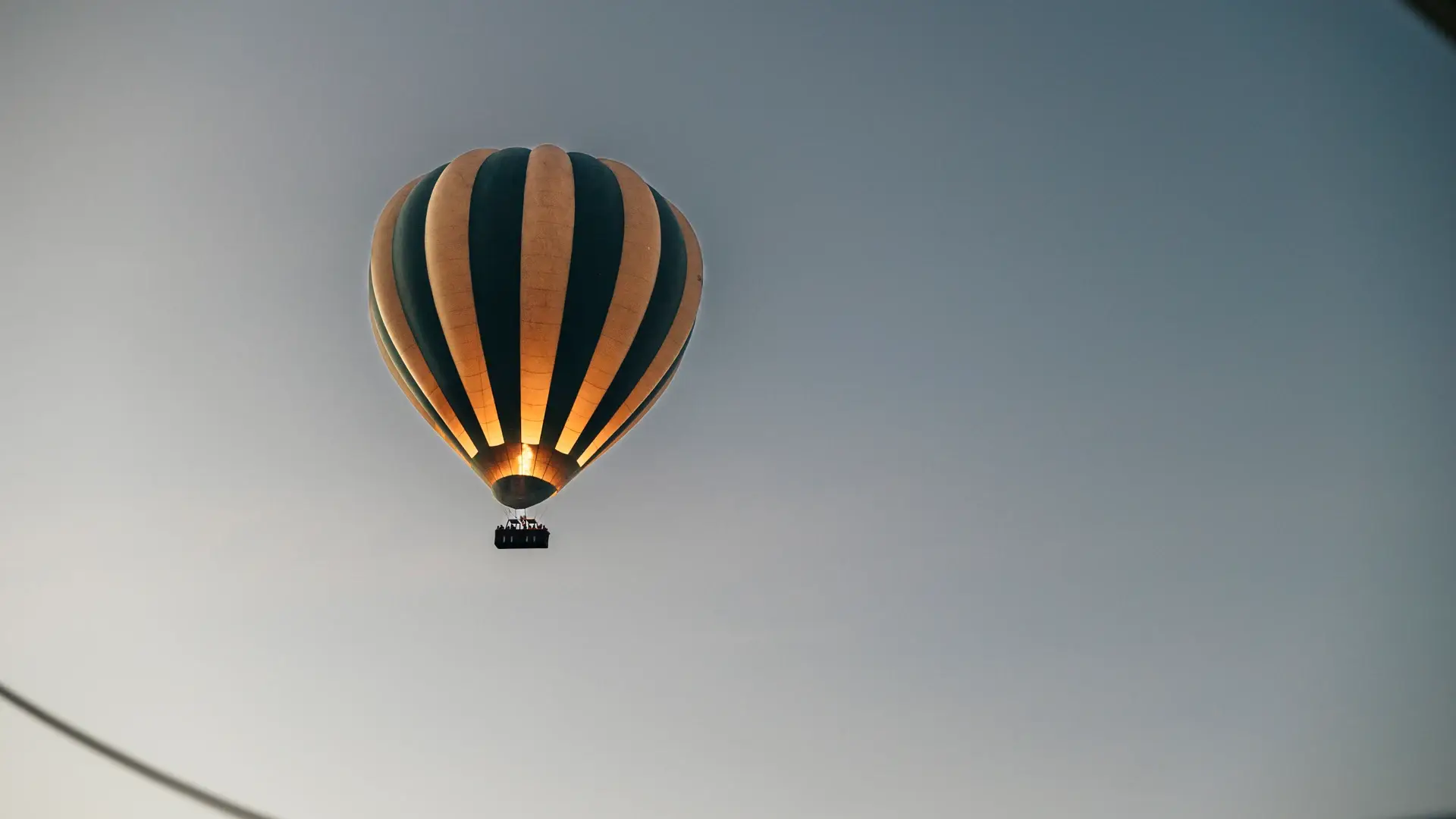
Facilities vary by vehicle and property. We confirm your photography set-up in writing before you book.
Photography by season
Calving season in Ndutu and the southern Serengeti. Newborn wildebeest, predator action and green plains under big skies.
Dry season. Mara River crossings from July to September, and animals gathered at water in Tarangire, Ruaha, Katavi and Nyerere.
Green season. Dramatic storm light, lush landscapes, fewer vehicles and lower prices.
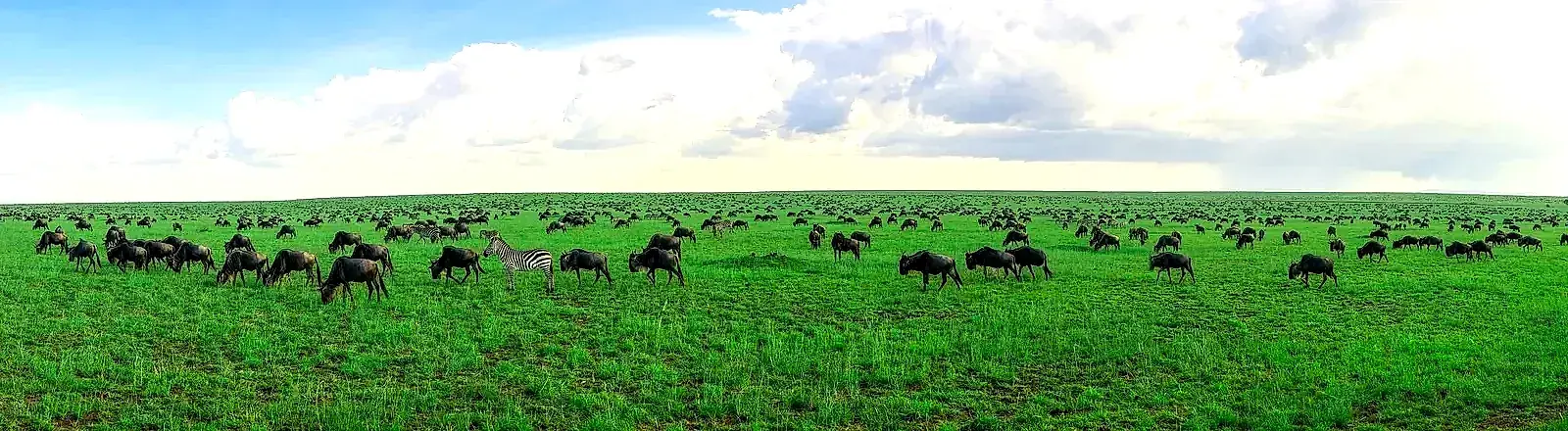
Filming & documentary safaris
From wildlife documentaries and travel films to content creators and brand shoots, we plan safaris for crews as well as photographers. Vehicles, guides and stays are set up around your shot list, your gear and the light.
Personal photos and phone video need no filming permit. Professional, commercial and drone filming do. Start planning at least 30 days ahead; some permits take longer.
Photography across Tanzania
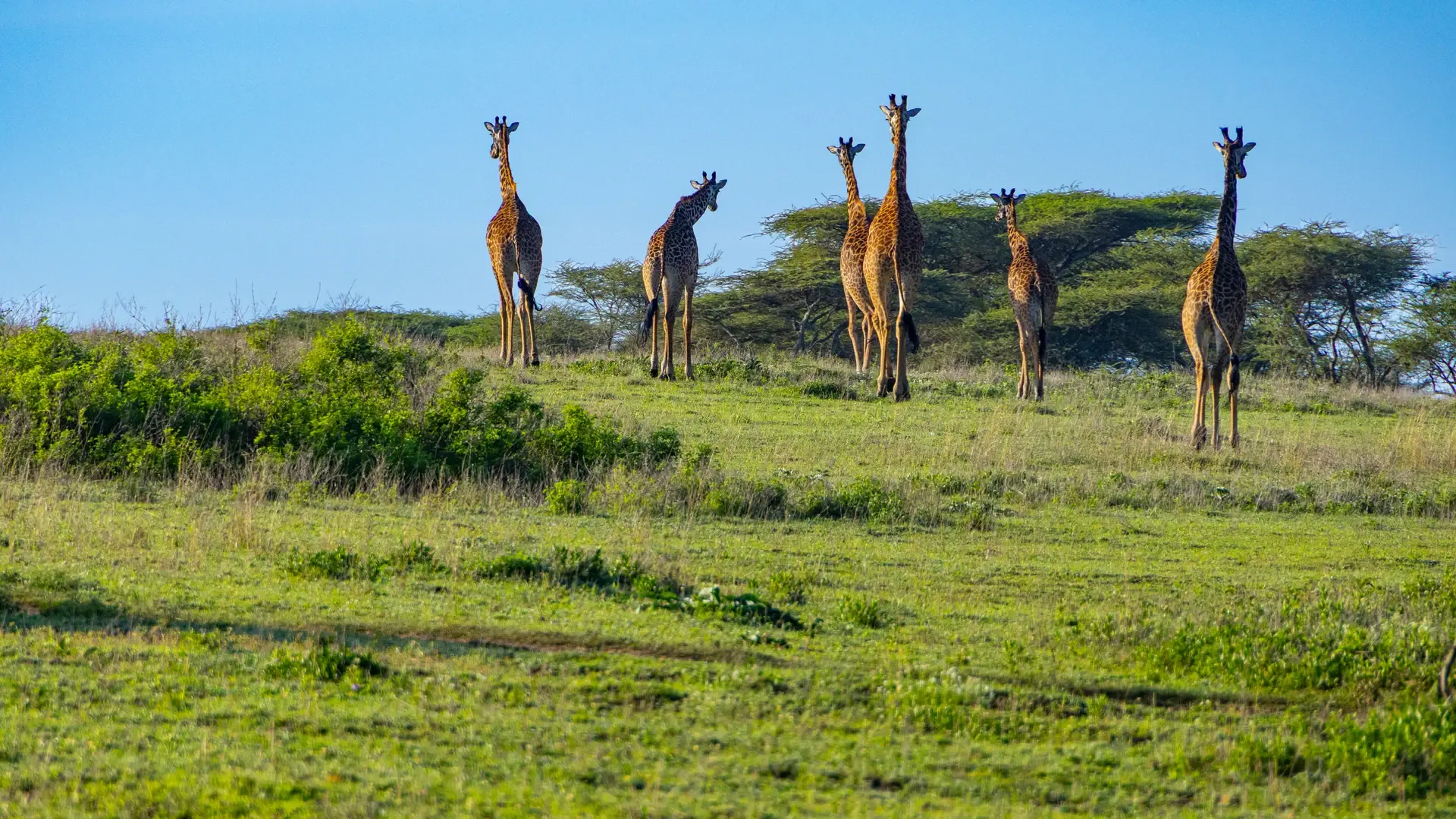
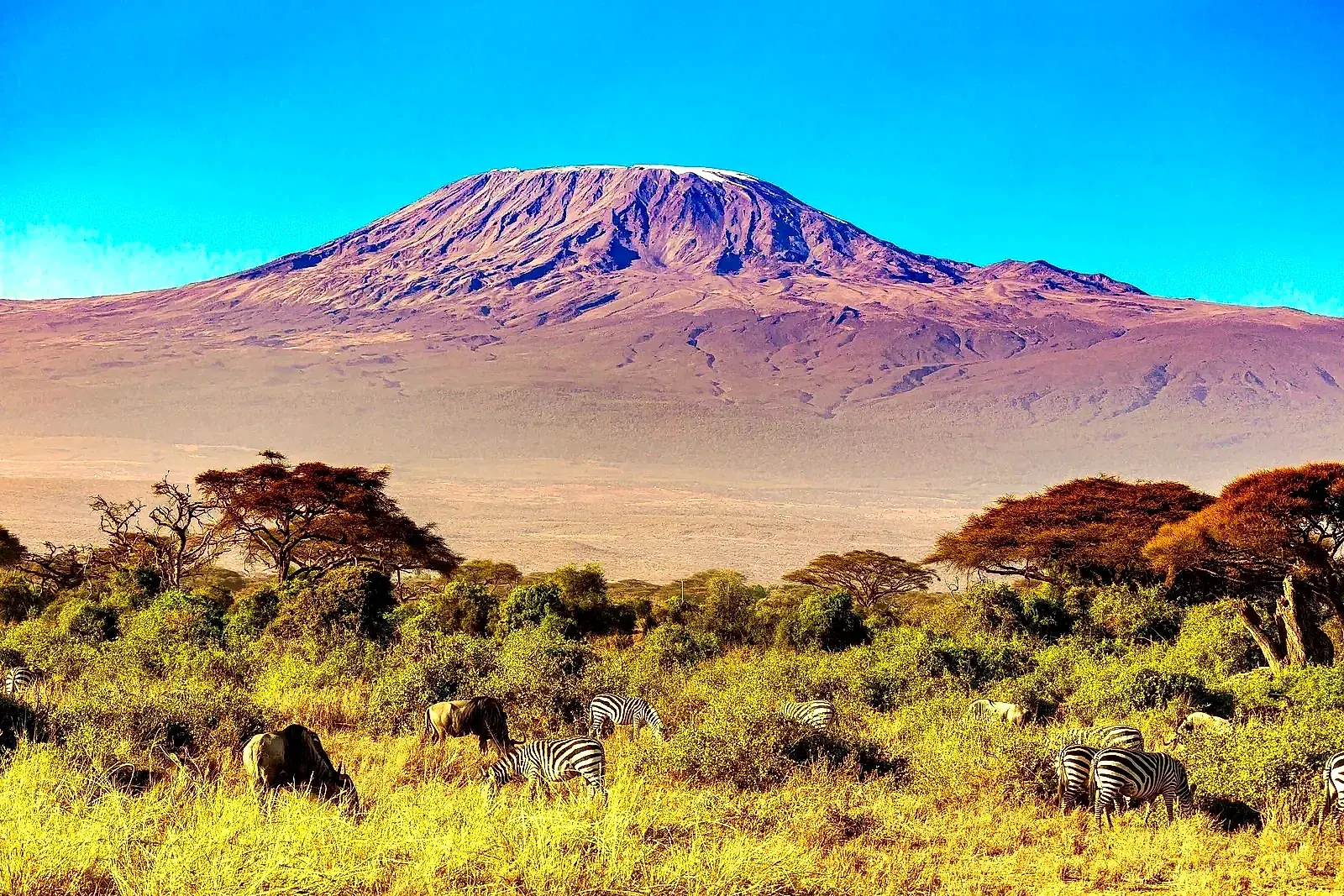
Serengeti migration and big cats, Ngorongoro Crater, Tarangire elephants under baobabs, and flamingos at Lake Natron.
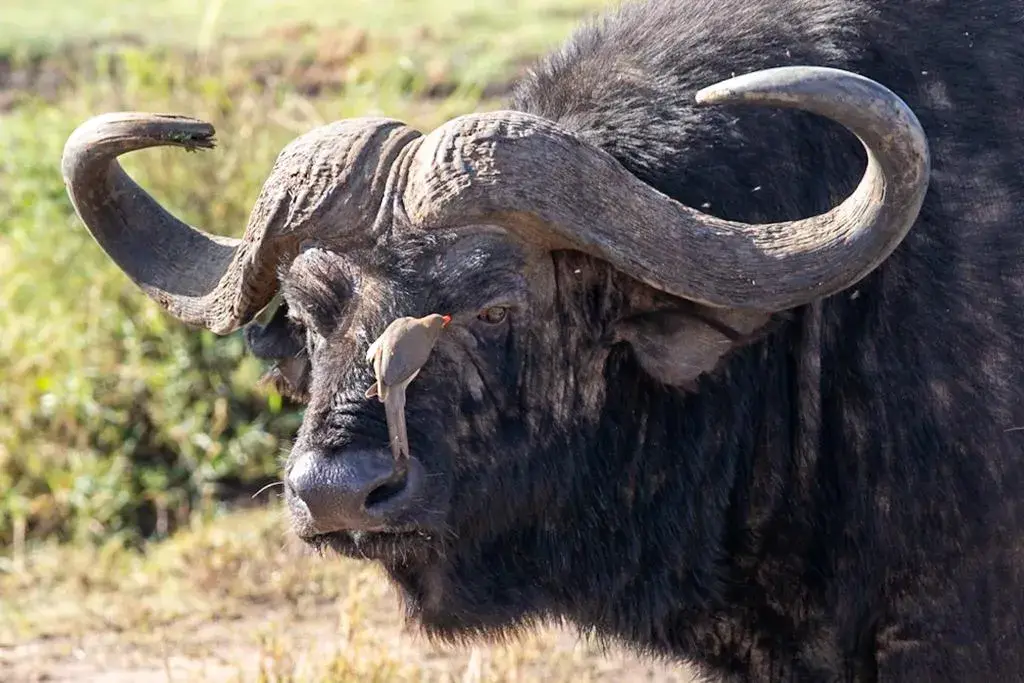
Boat safaris in Nyerere, lions and baobabs in Ruaha, and wild dogs in remote, quiet country.
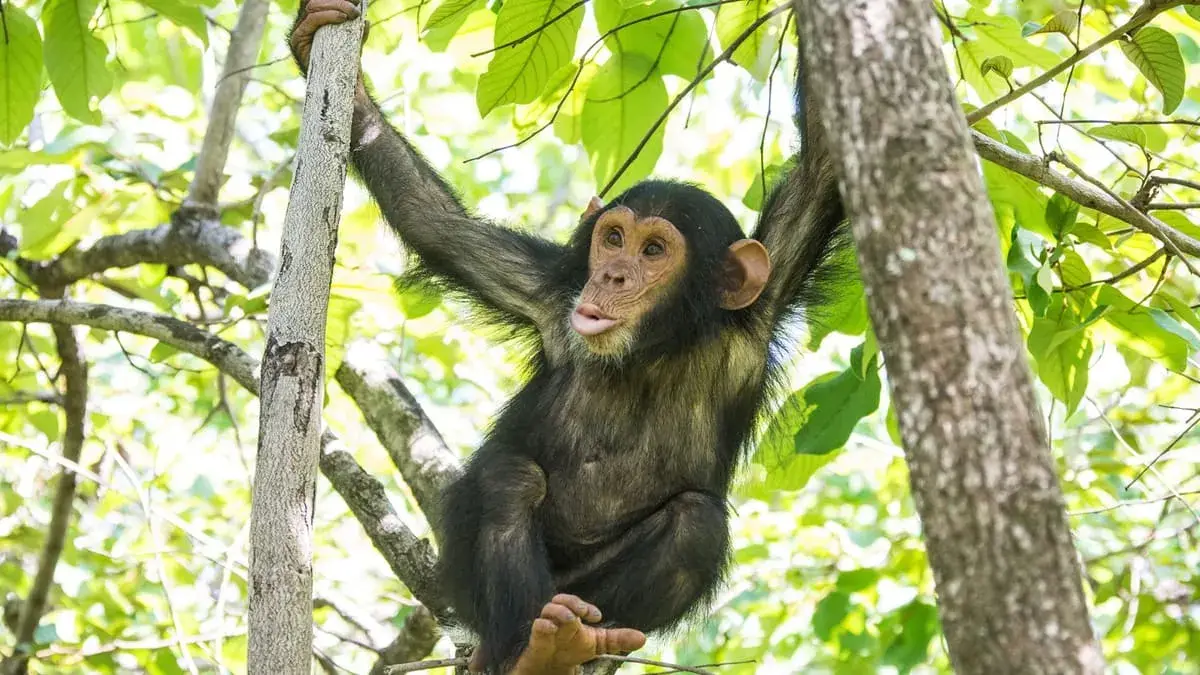
Chimpanzee portraits in Mahale and Gombe, and huge hippo and buffalo gatherings in Katavi.
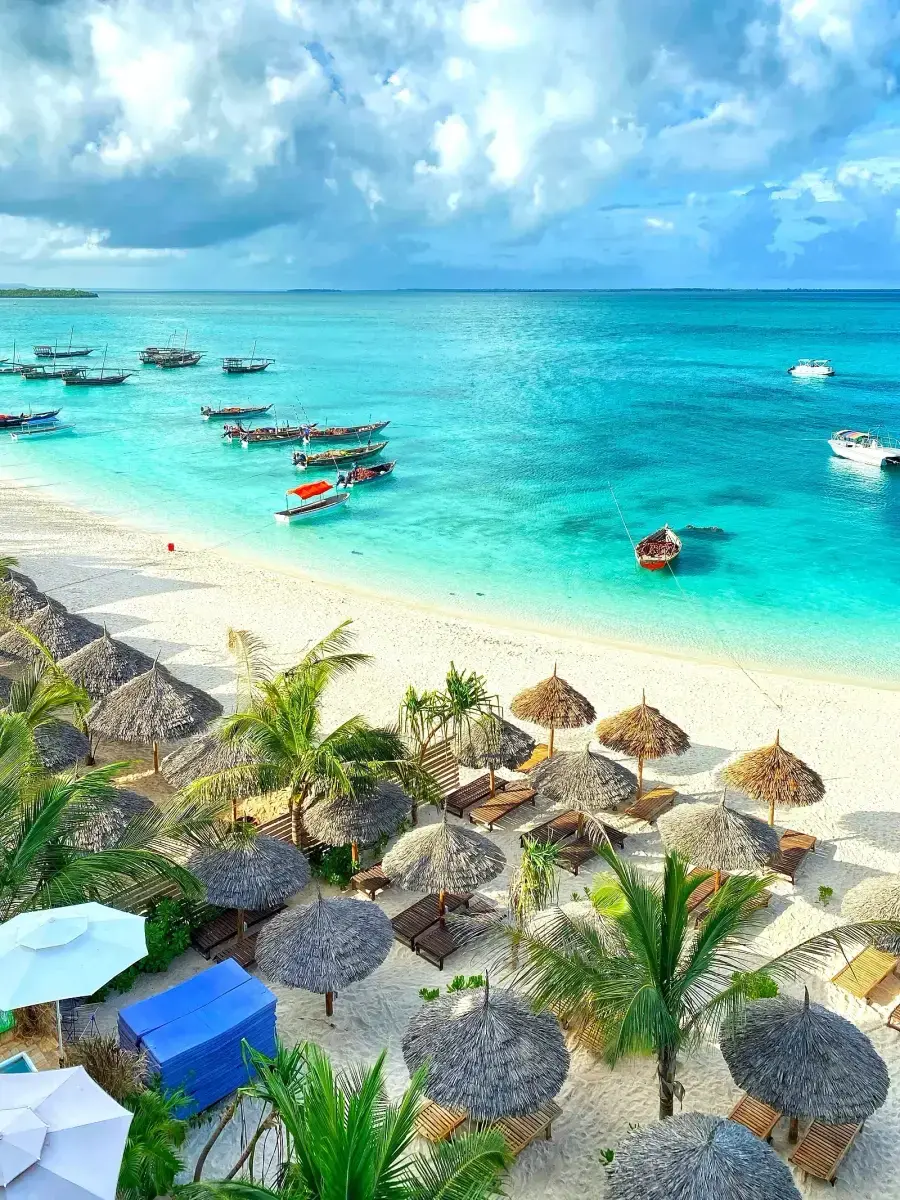
Dhow sunsets and Stone Town streets in Zanzibar, and underwater shots around Mafia Island.
At a glance
| Style | Private photography safari, for beginners and experienced photographers |
|---|---|
| Vehicle | Special photography vehicle: a row per photographer, pop-up roof, beanbags, camera mounts, charging |
| Game drives | Planned around sunrise and sunset light |
| Ideal length | 6 to 12 days |
| Top subjects | Great Migration, big cats, elephants, chimpanzees, landscapes |
| Best time | January to March for calving, July to September for river crossings |
| Filming | Documentary, commercial and drone shoots, with permits and special access arranged |
| Regions | Northern, Southern and Western circuits, Zanzibar and the coast |
| Your investment | From $770 per person |
Choose your style
Our promise
Your photography safari proposal is free, with no obligation.
Change days, parks and stays before you confirm.
Every inclusion and exclusion stated before you pay.
Questions photographers ask
The Serengeti and Ngorongoro Crater for the migration and big cats, Tarangire for elephants, Nyerere for boat safaris, Ruaha for lions and baobabs, Mahale and Gombe for chimpanzees, and Zanzibar for coast and culture.
January to March for calving season in Ndutu, July to September for Mara River crossings, and the green season for dramatic skies and fewer vehicles.
No. Our photography safaris suit beginners with a phone or camera as well as experienced photographers with long lenses.
A zoom of around 100–400mm or 200–600mm covers most wildlife, plus a wide lens for landscapes. Bring spare batteries and memory cards.
Yes. You can charge in the vehicle and at your lodge or camp, in rooms or main areas.
Yes, with the right permits. Professional, commercial and drone filming need permits from the Tanzania Film Board and the park authorities, and drones need extra approvals. With an approved permit, crews can also get special access, such as closer approaches and areas closed to regular visitors. We help you arrange it all; start at least 30 days before you travel.
From $770 per person for a Classic safari, $2,345 for Signature and $5,000 for Bespoke. The final price depends on season, length, stays and extras such as a balloon flight.
Begin your journey
Tell us your dates, your camera and what you want to shoot. A proposal reaches you within 24 hours.
Explore Balloon Safaris →Ready When You Are
Tell us your dates and interests — we'll shape a private itinerary suited to you, from the first game drive to the last sundowner.
Request a Quote