◆ TANZANIA, ANY MONTH OF THE YEAR
Tanzania is a year-round safari destination — you just need to know what each month delivers. We match your travel dates to what's actually happening on the ground, so your trip lands on purpose, not by accident.
One Country, Twelve Months
Because Tanzania spans savannah, crater highlands, rainforest and two coastlines, there's no month when the whole country goes quiet. While the Serengeti dries out, the south is blooming. While the north crowds around the river crossings, the coast sits warm, dry and half-empty. Knowing how the seasons overlap — instead of treating Tanzania as one single "best time" — is what lets us build a trip around your dates, not the other way around.
Guest Stories
In their own words — from travellers who've lived it
January – March
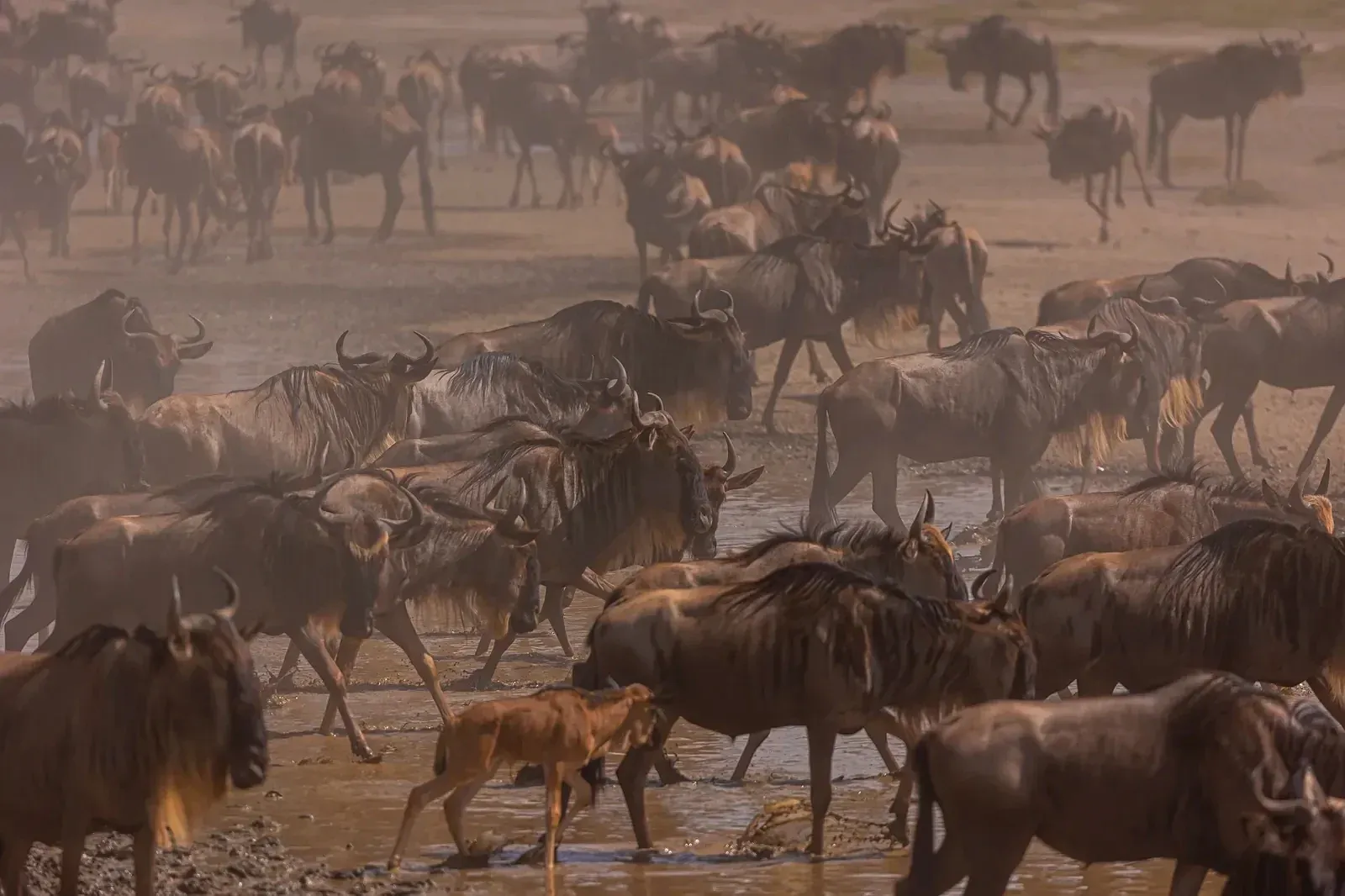
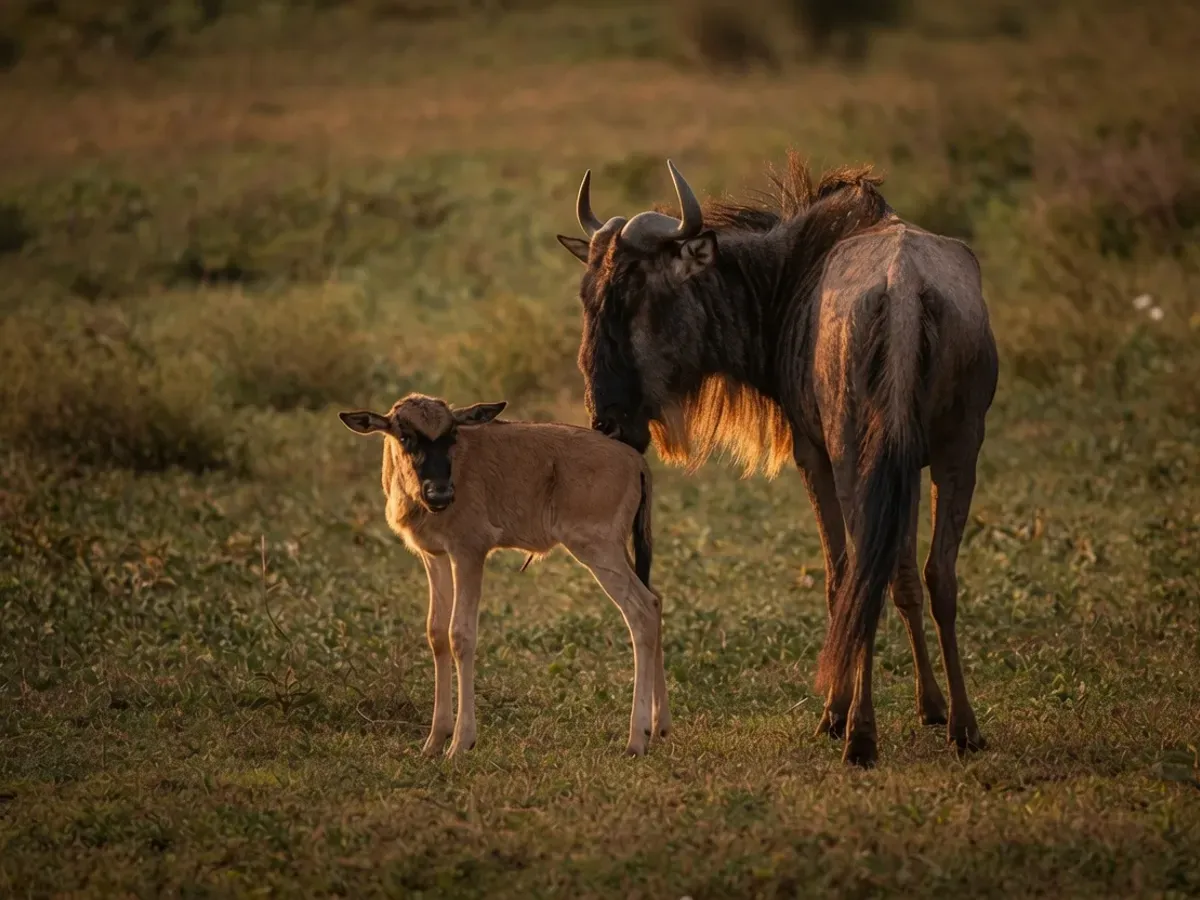
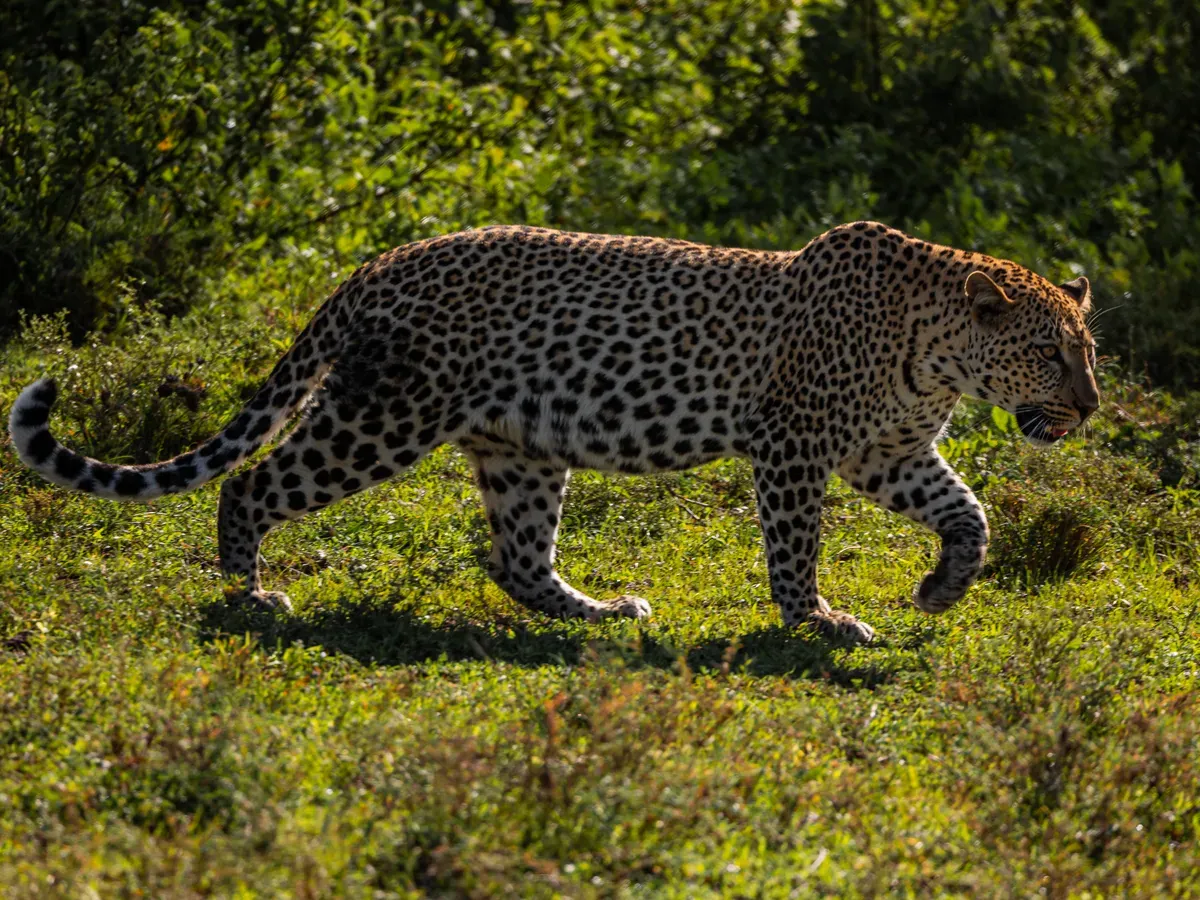
Over 500,000 wildebeest calves are born within a few short weeks on the short-grass plains of Ndutu and the southern Serengeti — and the predators that follow them stay close. Warm, mostly dry weather and thinner crowds than the July–September peak make this one of the best all-round windows on the calendar. Elsewhere in the country, the south and west are still in their lush green season, and the coast stays warm and dry — an easy pairing with Zanzibar or Mafia.
Explore Northern Circuit Safaris
April – May
Tanzania's quietest, greenest months. Landscapes turn lush nationwide, birdlife is at its best, and camps across the south (Ruaha, Nyerere) and west (Katavi, Mahale) drop their rates dramatically. Roads can be slower going and afternoon downpours are common, but mornings are often clear — and with a fraction of the vehicles anywhere else on the circuit, it rewards travelers who don't mind trading certainty for value and solitude.
Explore Southern Circuit Safaris
June – October
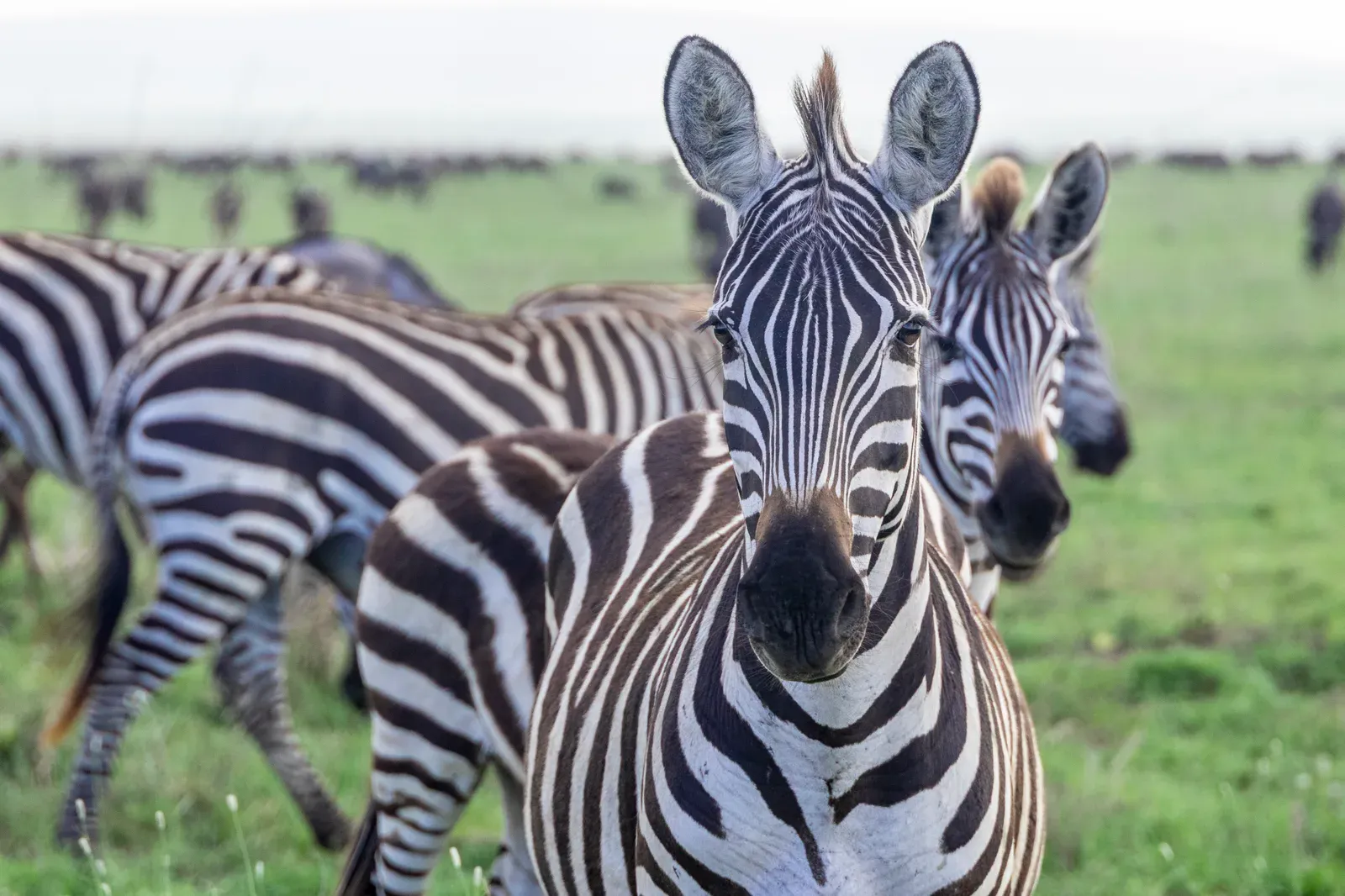
Peak game viewing nationwide. Thinning vegetation concentrates wildlife around waterholes from Ruaha to the Serengeti, western parks like Katavi and Mahale are at their most accessible, and — from July through September — the migration's dramatic Mara River crossings play out in the far north. It's the busiest window on the calendar, and the one every classic safari itinerary is built around.
See the Great Migration
November – December
Brief afternoon showers green the plains again as the migration drifts back south toward the Serengeti ahead of calving season. Crowds thin out and rates ease nationwide, while the coast stays warm and largely dry — making this a strong month to pair a safari with a Zanzibar, Mafia, or Pemba extension, including over the December holidays.
Explore Eastern Circuit & Coastal JourneysTanzania by Month
Hot and mostly dry, with the short rains behind you. Calving season is beginning on the Ndutu plains — herds gather on the short grass and predators start to follow. Strong value before the February peak.
Peak calving month. Hundreds of thousands of wildebeest calves are born within weeks of each other around Ndutu and the southern Serengeti, drawing intense predator activity. Warm and largely dry — one of the best all-round months to travel.
The long rains begin and the migration starts moving north out of Ndutu. Landscapes turn dramatically green, crowds and rates drop, though some remote camps close for the season.
The heart of the long rains. Quiet, lush, and excellent for birdlife and photography light. Camps across the south and west offer their steepest discounts of the year; some roads become harder going.
Rains ease through the month while the green season continues. The migration is moving through the central Serengeti. Still one of the quietest, best-value windows on the calendar.
The dry season begins. Grass shortens and game viewing sharpens across the country as the migration gathers in the western and central Serengeti. Comfortable temperatures and improving access everywhere.
The migration pushes toward the Grumeti River in the western Serengeti. The south (Ruaha, Nyerere) and west (Katavi, Mahale) are at their dry-season best. Peak booking season is well underway.
The driest month nationwide, and typically the first of the dramatic Mara River crossings in the far north. The busiest month on the northern circuit.
Mara River crossings continue in the north while conditions stay dry and clear everywhere else — an excellent month to combine northern migration viewing with the south or west.
The migration lingers in the northern Serengeti before turning back south. Water sources are scarce and wildlife concentrates around what remains — the last strong month of the classic dry season.
The short rains arrive and the herds begin drifting back toward the southern Serengeti. Landscapes green up again, crowds thin, and rates ease across the country.
Short rains typically ease by mid-month, leaving warm, mostly dry conditions. Herds spread across the southern plains ahead of calving season — and it's a popular month to pair safari with a beach extension over the holidays.
Which Part of Tanzania
Tanzania's four circuits don't share one season — each has its own rhythm worth timing around.
Serengeti, Ngorongoro, Tarangire, Lake Manyara — home of the calving season and the river crossings. The classic Tanzania safari, best matched to your priority month.
Nyerere, Ruaha, Mikumi — vast, quieter landscapes with exceptional wildlife. Best in the June–October dry season, and outstanding value through the green season.
Katavi, Mahale, Gombe — remote chimpanzee trekking and untouched wilderness, most accessible during the June–October dry season.
Saadani, Dar es Salaam, Bagamoyo and the gateway to Zanzibar — warm and largely dry for much of the year, and an easy pairing with any safari season.
Tanzania's Islands
Zanzibar, Mafia and Pemba follow the same dry-season windows as the mainland — easy to time alongside any safari.
Warm and dry from June to October and again from December to February — avoid the long rains in April and May. Pairs naturally onto the end of any northern safari.
Best known for whale sharks from October to February, with calm diving and snorkeling conditions most of the year outside the April–May rains.
Tanzania's quietest island escape, with the same dry-season pattern as Zanzibar — June to October and December to February — and far fewer visitors.
Not Just Safari
Pair your safari with a warm, dry coastal week — timing follows the same dry-season windows as the mainland.
The dry windows (June–October and December–February) give the clearest skies and the best summit conditions.
Maasai communities, Stone Town, and coastal Swahili culture are rewarding in any month you travel.
Best during the dry season, when tracks are clearest and wildlife concentrates around remaining water.
Which Season Is Right For You
Travel July–September for the Mara River crossings in the northern Serengeti.
Travel January–March for the Ndutu and southern Serengeti calving grounds.
Travel November–May, when rates ease and camps empty out nationwide.
Travel June–October or December–February, when the coast is driest.
Travel June–October, the dry season, for peak game viewing everywhere.
Build Your Journey
Timing accuracy guarantee — we only recommend dates that genuinely match what you told us you want to see.
Medical evacuation included — AMREF Flying Doctors coverage on every journey, whatever month you travel.
No hidden surprises — your quote is your price, whichever season you choose.
Why Yera Journeys
A great safari isn't just about where you go — it's about when you arrive. With Yera Journeys, your trip is timed with real, on-the-ground knowledge of Tanzania's seasons.
20+ years reading Tanzania's seasonal patterns, not just its brochure highlights.
Your journey is timed around what you actually want to see.
Guides who know exactly where the wildlife is for the month you travel.
From your first enquiry to your return journey, we keep the process simple.
We aim to create journeys that respect Tanzania's wildlife, landscapes and communities.
Ready to Discover
Tell us what you want to witness and when you're free to travel.
We'll match the season, the circuit, and the itinerary to fit.
WhatsApp available for quick enquiries.
FAQ
It depends on your priority. June to October delivers the driest weather and peak game viewing nationwide. January to March is best for the migration calving season. July to September is best for the Mara River crossings. November to May offers the lowest rates and thinnest crowds.
The migration moves year-round. Calving happens in the southern Serengeti and Ndutu from January to March. The dramatic Mara River crossings in the north typically run from July to September.
Tanzania has two rainy seasons: the long rains from March to May, and the short rains in November. Most camps stay open through both, rates drop significantly, and wildlife viewing remains rewarding — just with more green landscape and occasional afternoon showers.
Yes. November to May brings newborn wildlife, lush scenery, exceptional birdlife, and dramatically lower rates and crowds than the dry season — a strong option for travelers who don't need the classic dusty-plains look.
We recommend booking 9–12 months ahead for travel in June–October and for the Ndutu calving season, since the best camps in those windows sell out well in advance.
Yes — the coast is driest in the same windows the safari circuits are busiest, from June to October and again from December to February, making a combined itinerary easy to time well.
Yera Journeys
Twelve months, four circuits, three islands.
Tell us your dates — we'll tell you what they deliver.
Yera Journeys — Tanzania Safari, Trekking, Coastal & Cultural Journeys.
Ready When You Are
Tell us your dates and interests — we'll shape a private itinerary suited to you, from the first game drive to the last sundowner.
Request a Quote