Lions
Big Lion Prides
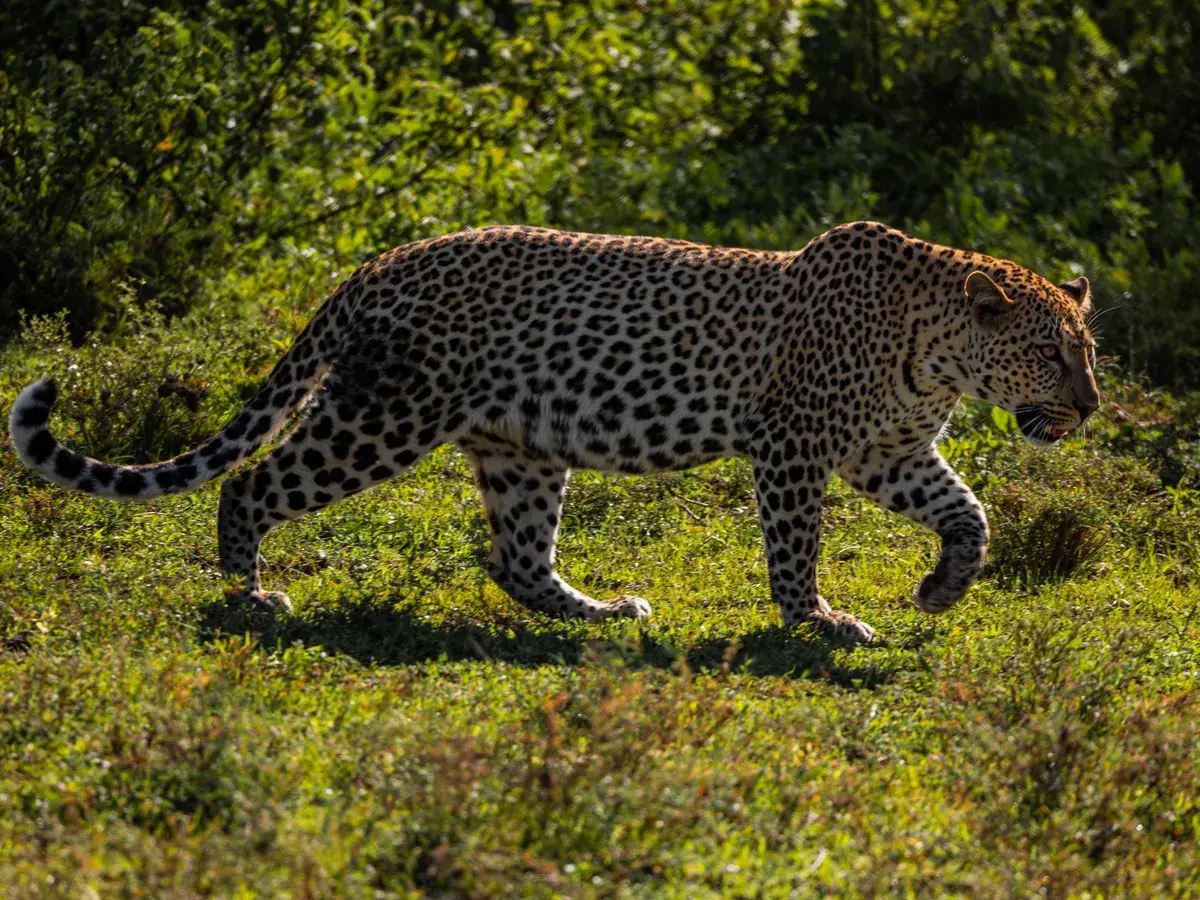
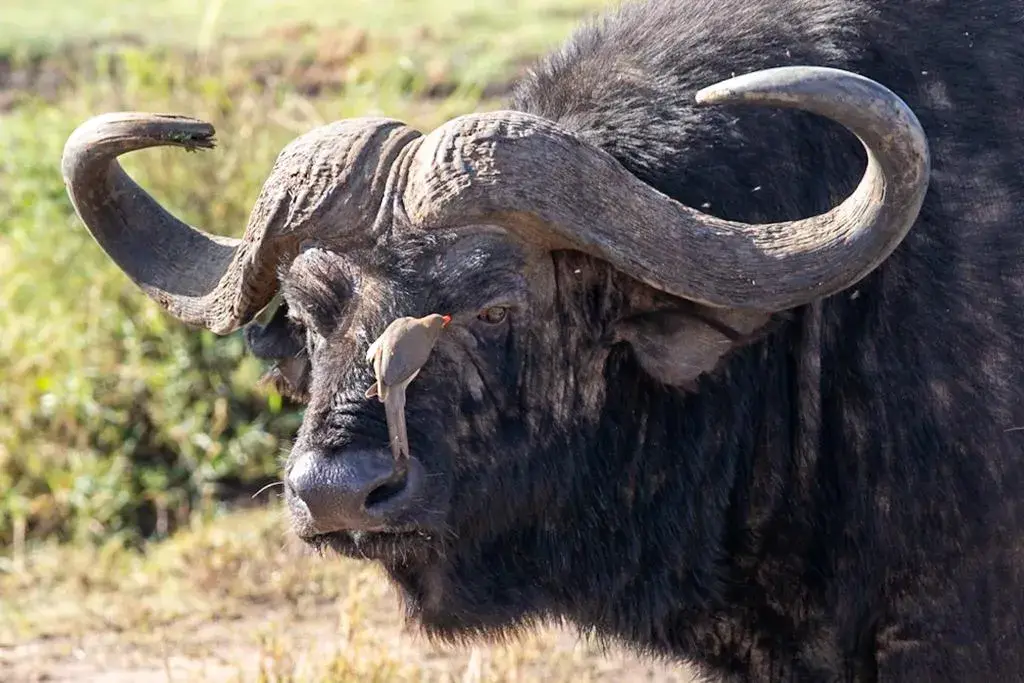
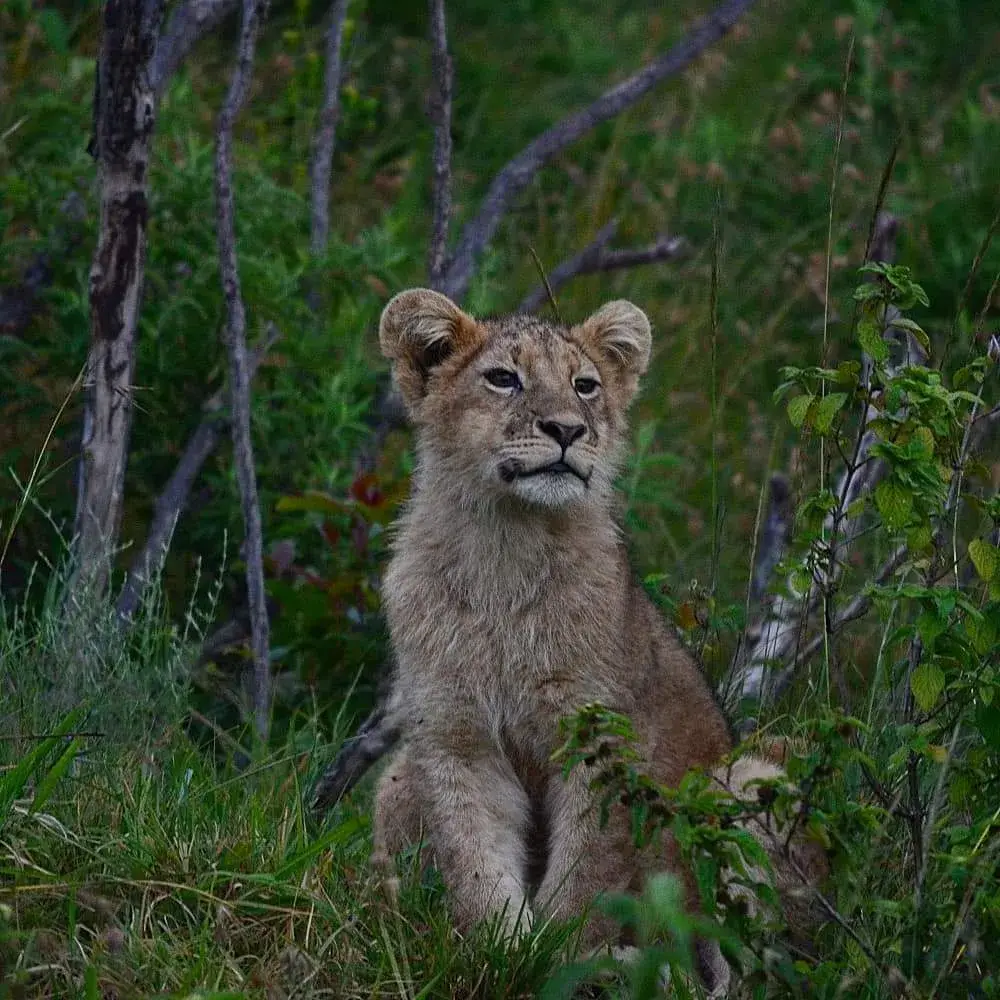
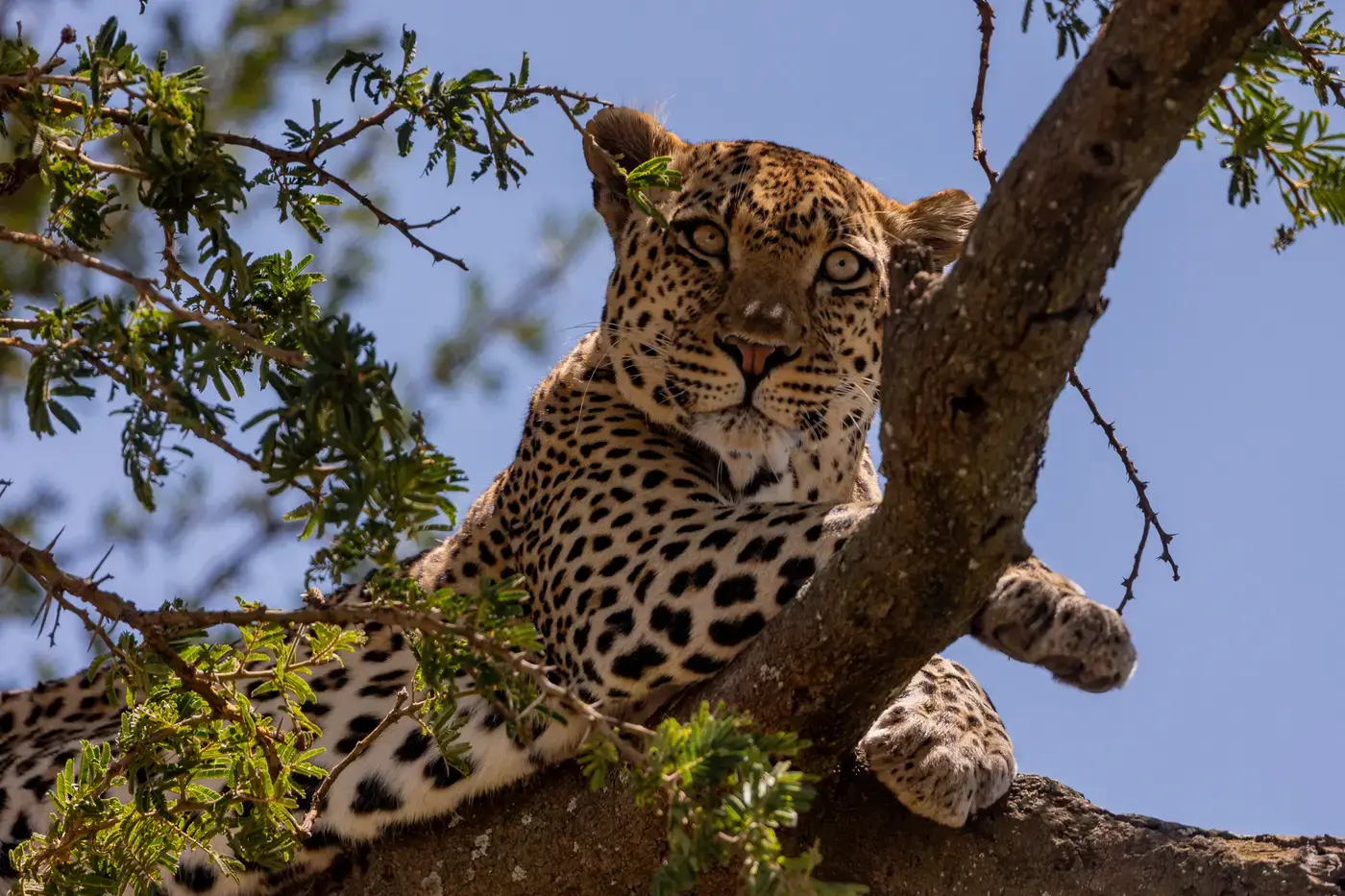
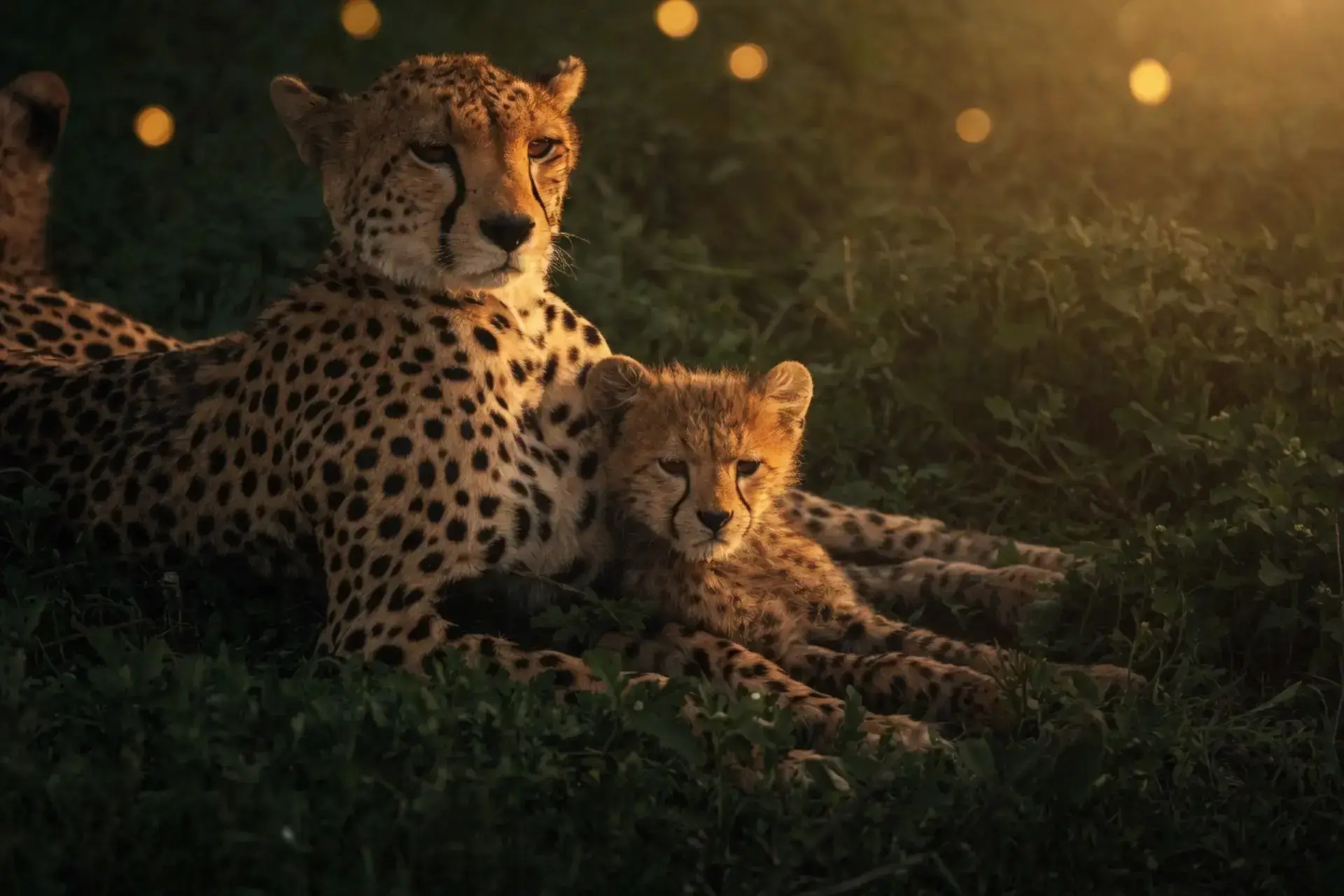
Ruaha holds one of Africa's most important lion populations, with large prides that hunt buffalo and even giraffe.
07°40′S 34°55′E Great Ruaha River · 06:40
Where Tanzania Still Feels Wild
One of Africa's largest 20,000+ km² of wilderness
Plan My Ruaha Safari5-Star Rated · 20+ Years in Southern Tanzania · Private Vehicle & Guide
What is Ruaha National Park known for?
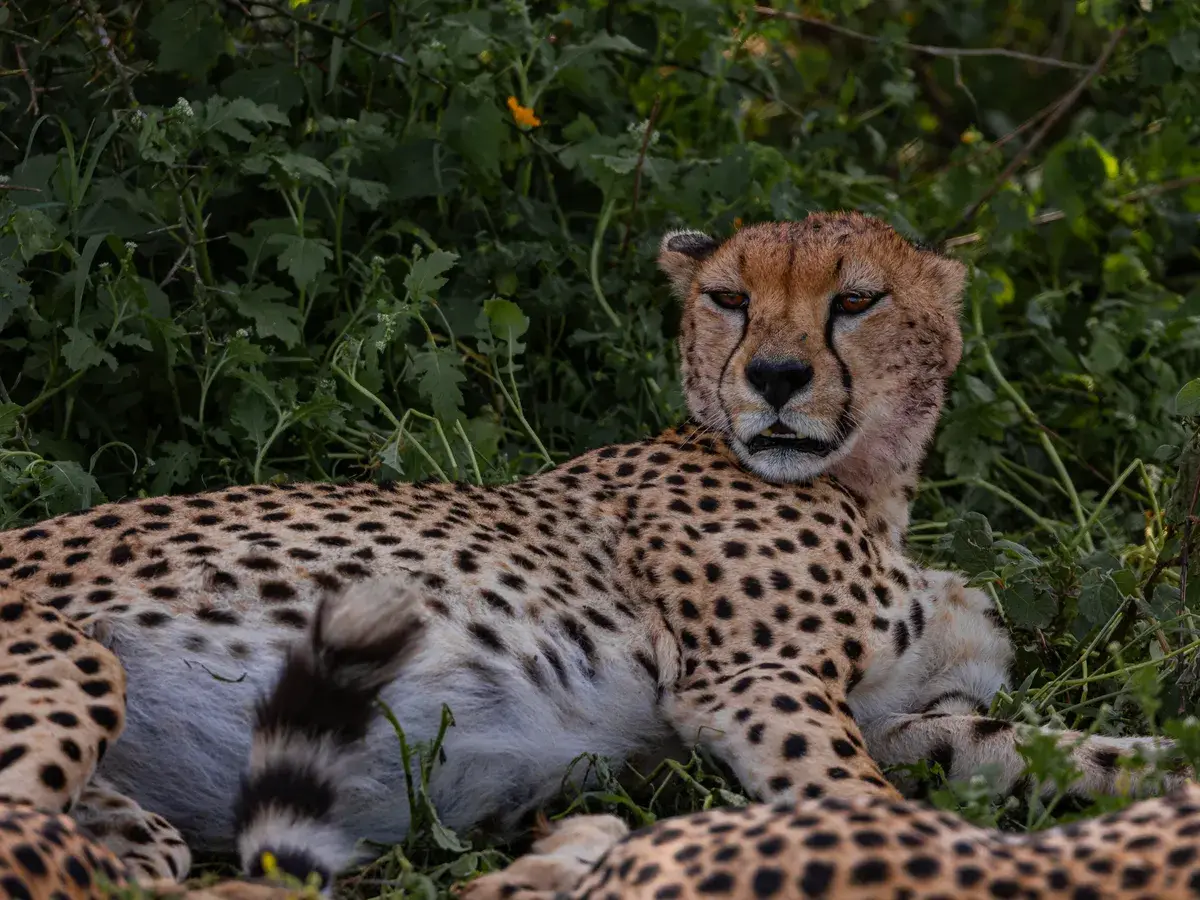
Ruaha National Park, in southern-central Tanzania, is one of the largest national parks in Africa, at over 20,000 km². It is known for one of Africa's most important lion populations, large elephant herds, African wild dogs, cheetahs, greater and lesser kudu, sable antelope, ancient baobabs and more than 500 bird species, all along the Great Ruaha River. It sees very few visitors compared with the north, and most guests fly in from Dar es Salaam, Zanzibar or Arusha. Yera Journeys plans private Ruaha safaris, often combined with Nyerere and Zanzibar.
Why Ruaha
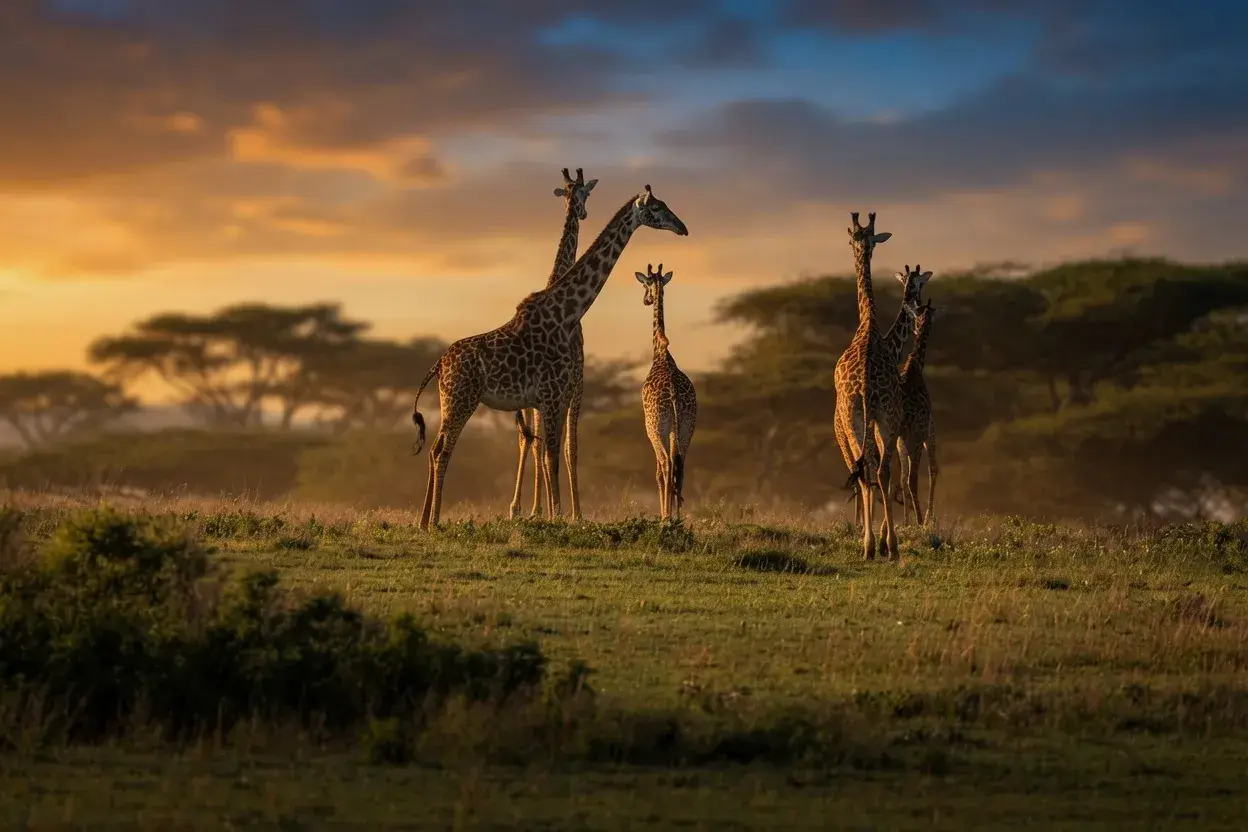
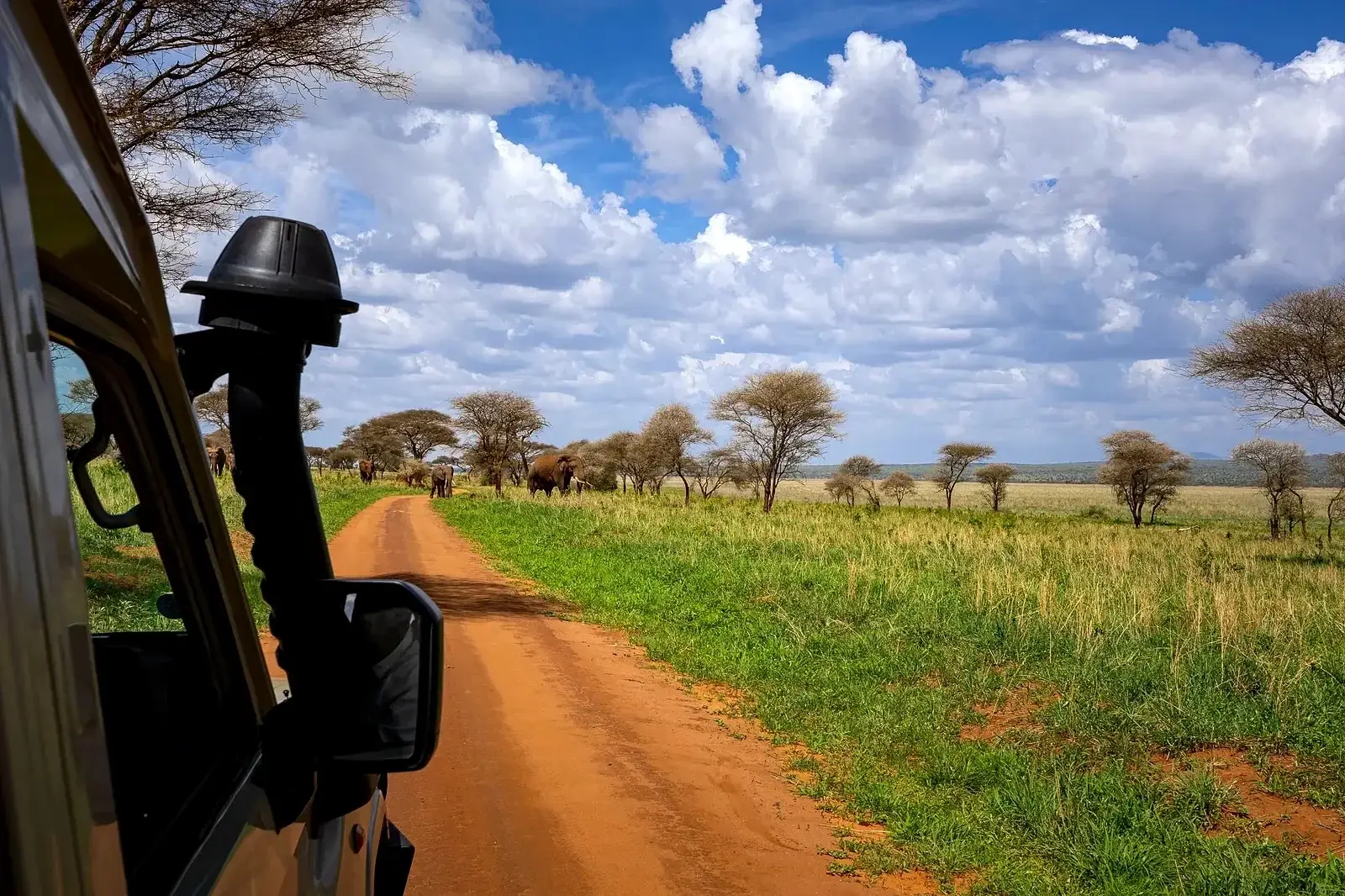
Ruaha is big, raw and quiet. Baobab-covered hills roll down to the Great Ruaha River, where elephants dig for water in the sand, lion prides patrol the riverbeds and kudu step out of the thickets. You can drive for an hour and see more lions than vehicles.
This is where East and Southern Africa meet, so you see animals rarely found together, like greater kudu, sable and roan antelope alongside Grant's gazelle and wild dogs. It is a slower, deeper safari for travellers who have seen the famous parks and want something wilder.
Because Ruaha is remote, the camps are small and the guiding is excellent. We plan your days around the river, the predators and the season, and combine Ruaha with Nyerere or Zanzibar so the journey flows easily.
Ruaha
Big lions. Big baobabs. Big silence.
What you get
Lions
Ruaha holds one of Africa's most important lion populations, with large prides that hunt buffalo and even giraffe.
Solitude
A huge park with few camps, so most sightings are yours alone and you never queue at a lion kill.
Rare wildlife
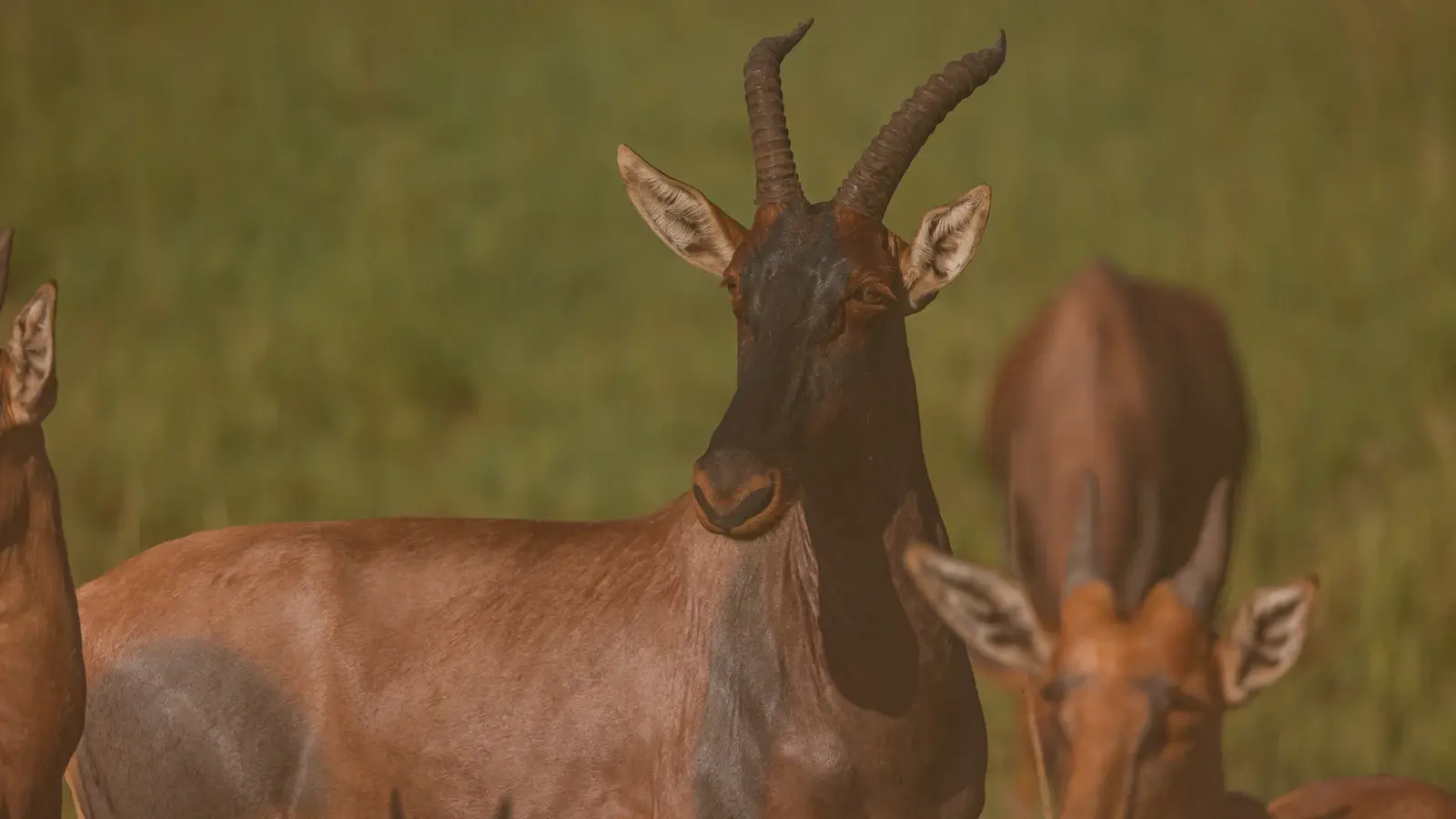
Greater and lesser kudu, sable and roan antelope, and African wild dogs, which you rarely see in northern Tanzania.
Elephants
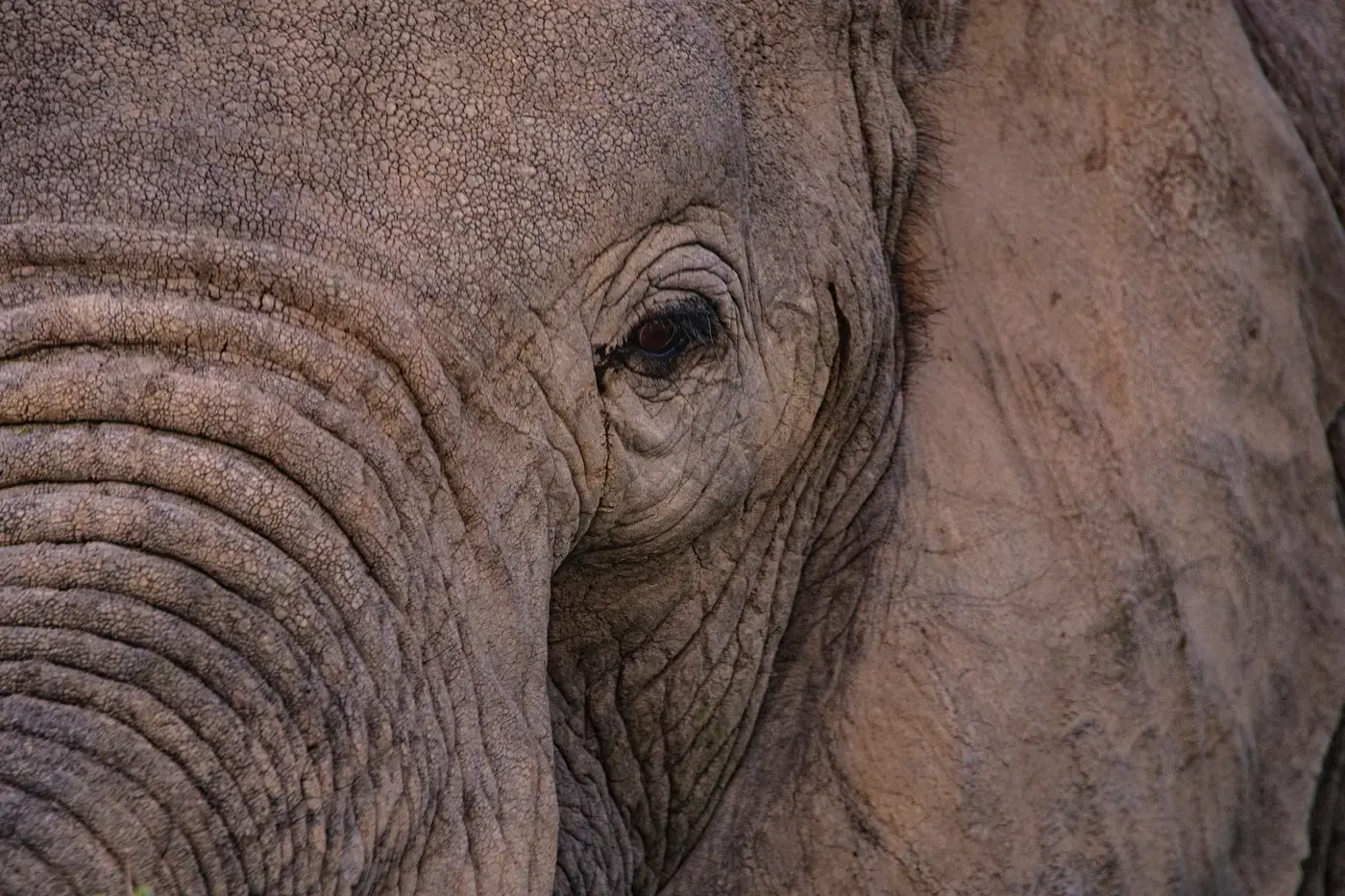
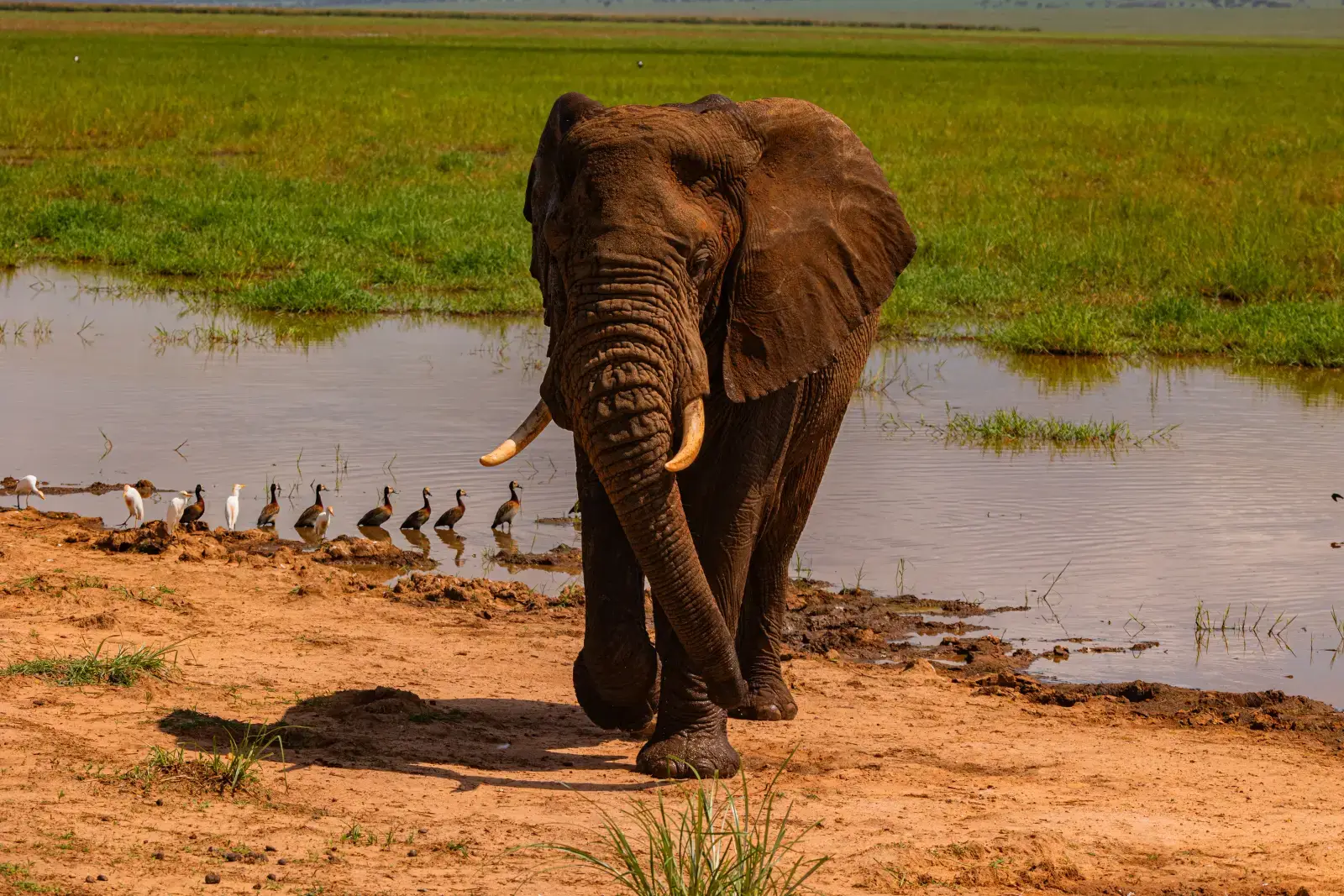
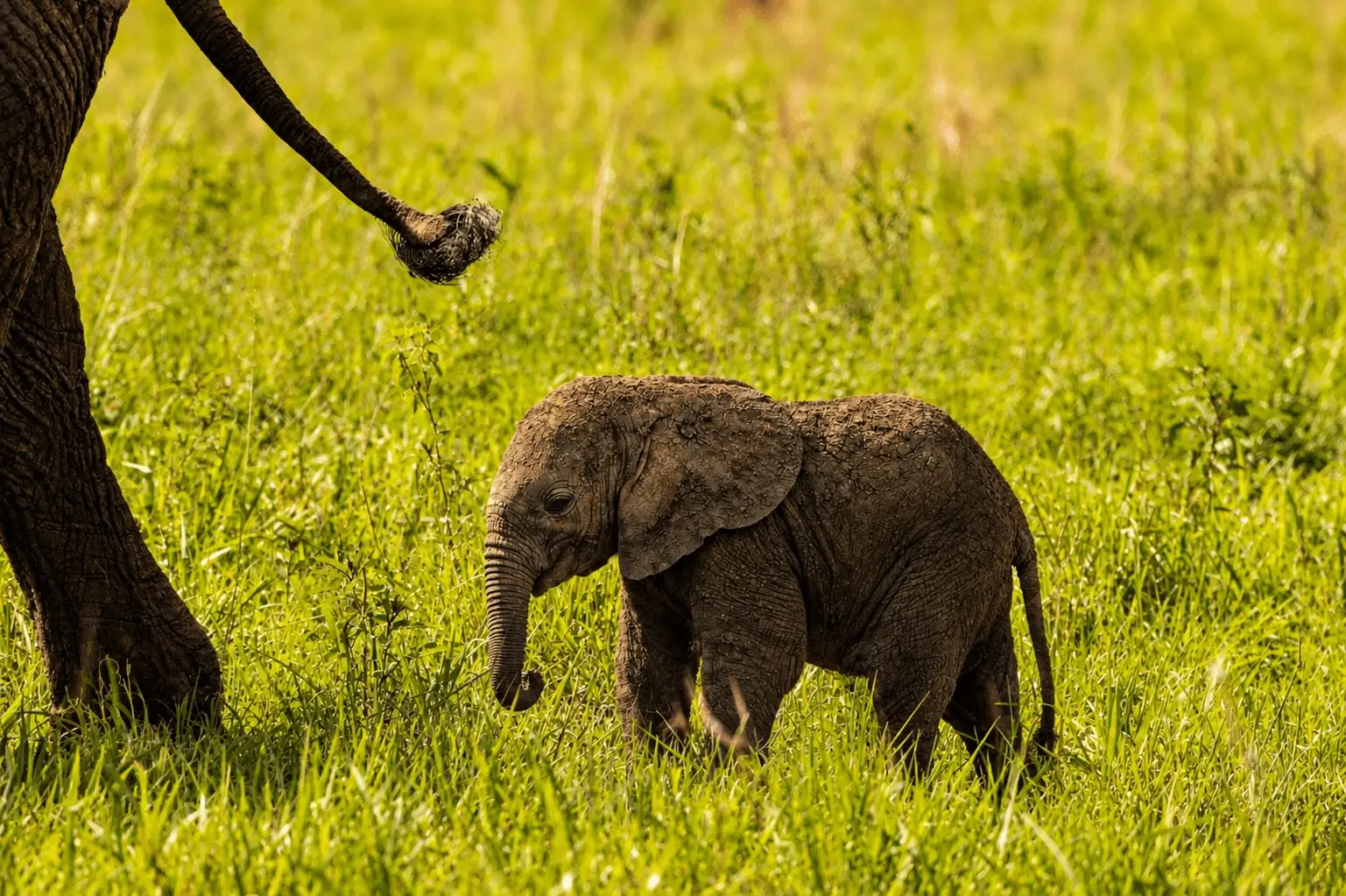
Watch large herds dig for water in the dry riverbeds below giant baobab trees.
On foot
Explore the bush on foot with an expert guide and an armed ranger, one of the best ways to feel Ruaha.
Fly-in
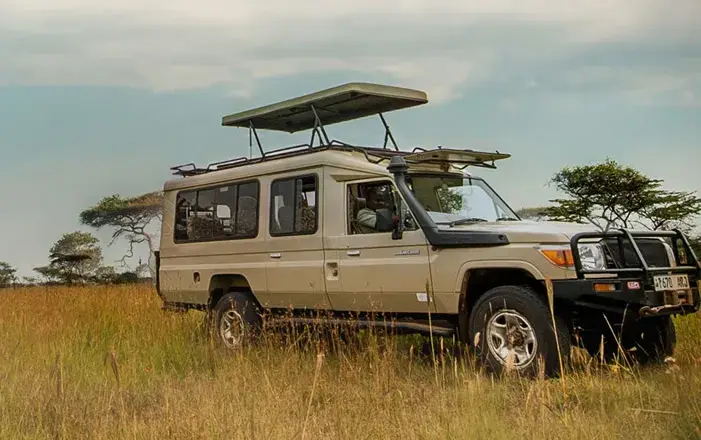
Fly from Dar es Salaam, Zanzibar, Arusha or Nyerere straight to the park, with no long drives.
Areas of Ruaha
Most safaris focus on the river areas. The wider park is remote and wild.
| Area | Best time | Highlights |
|---|---|---|
| Great Ruaha River | June to October | Lions, elephants, hippos, crocodiles, the heart of the park |
| Mwagusi sand river | June to November | Big prides, leopards, wild dogs, elephants digging for water |
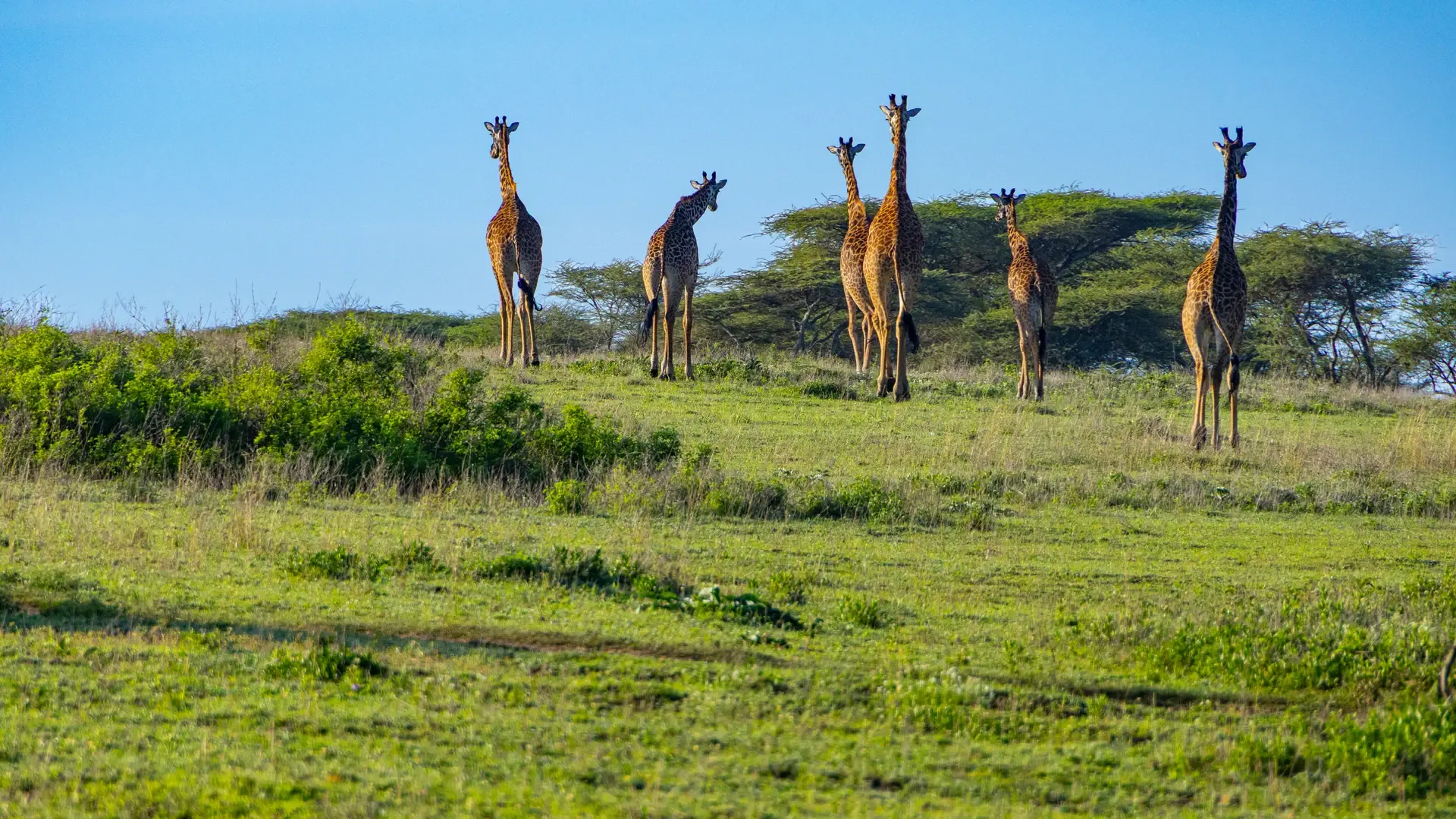
| Baobab hills | All year | Ancient baobabs, kudu, giraffe, wide views |
| Jongomero & the south-west | June to October | Remote bush, sable and roan, total solitude |
| Usangu wetlands | November to April | Birdlife, wetlands, very few visitors |
Wildlife of Ruaha
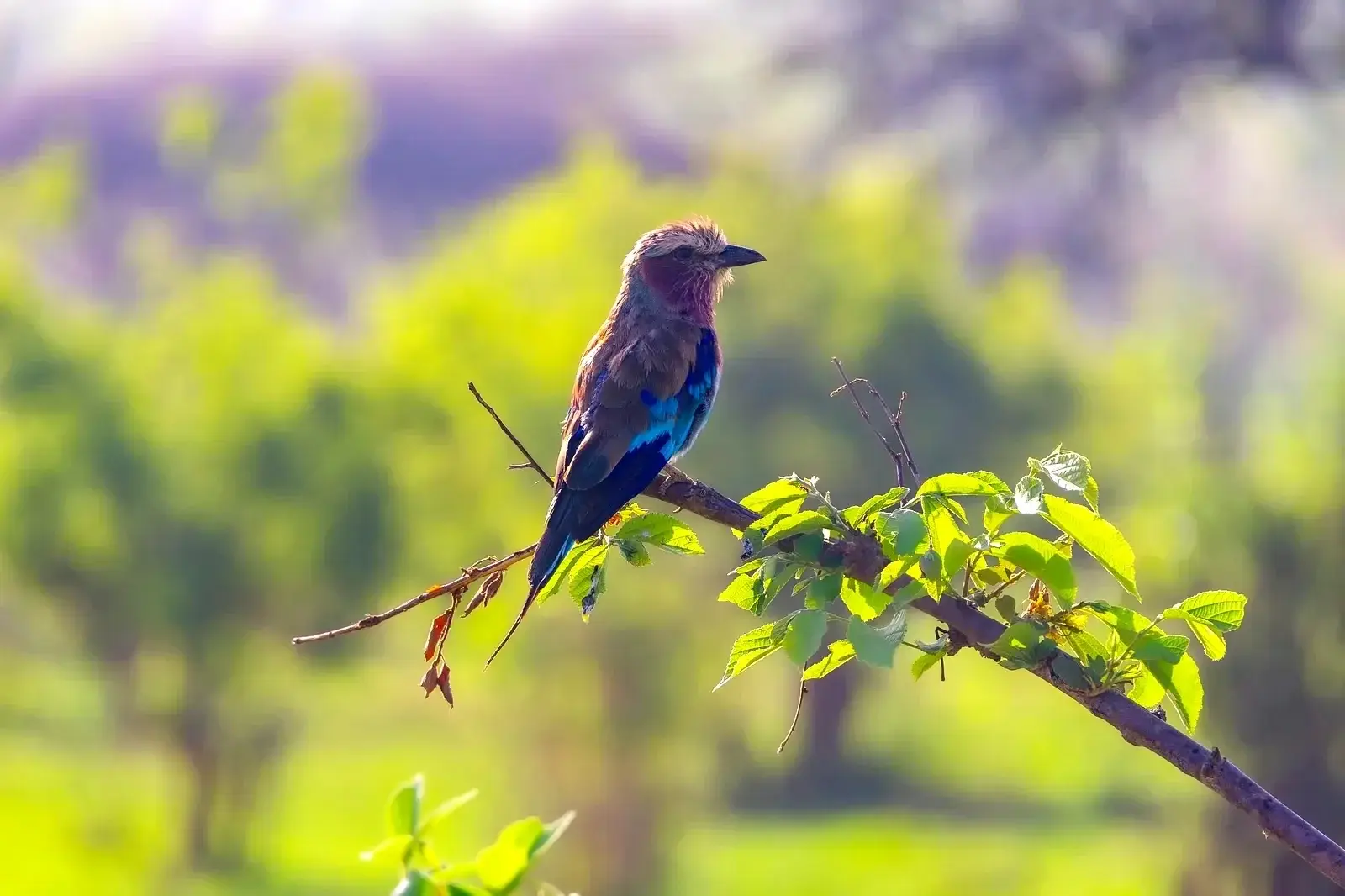
Things to do
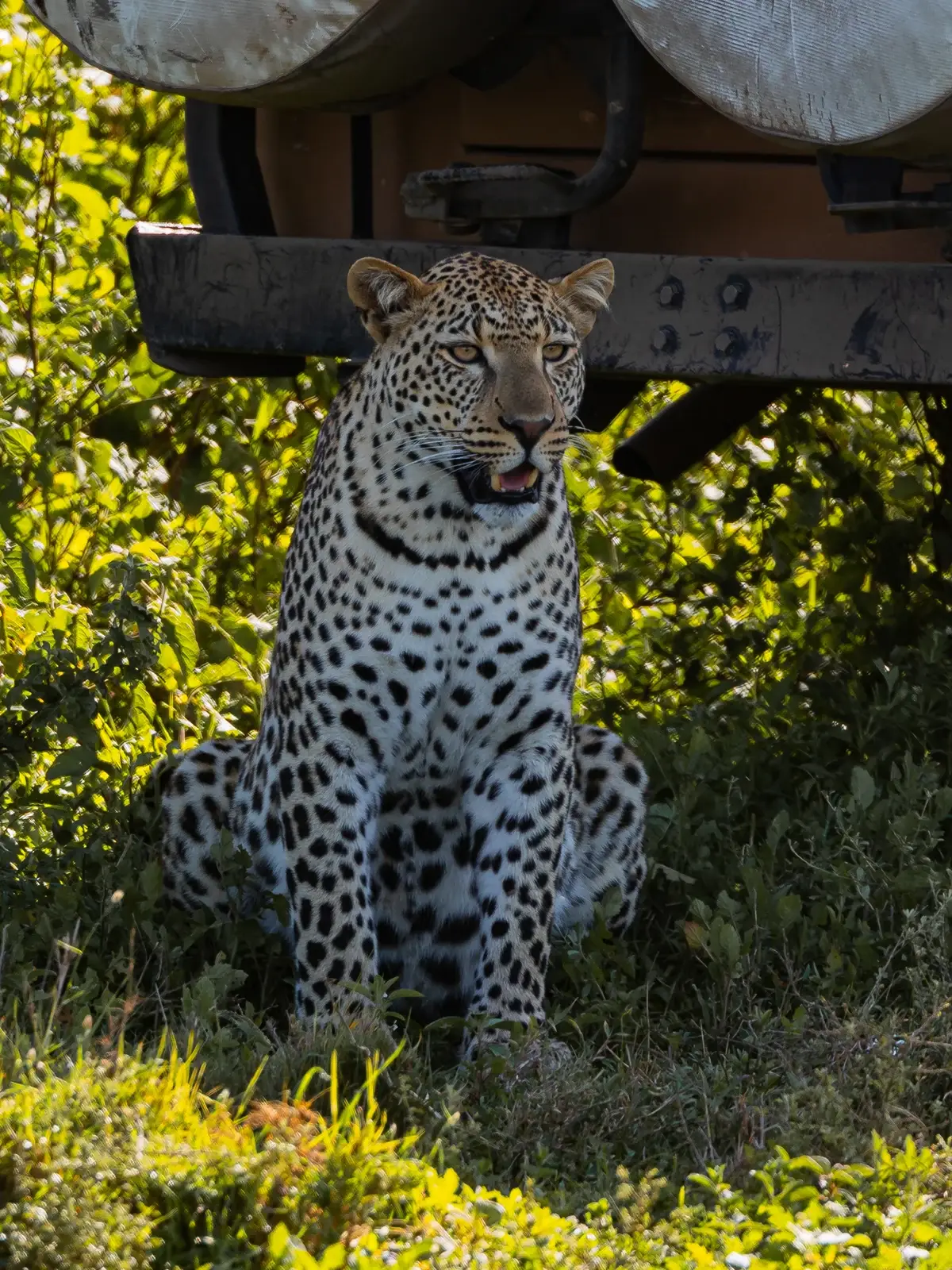
Private morning, afternoon and full-day drives along the rivers.
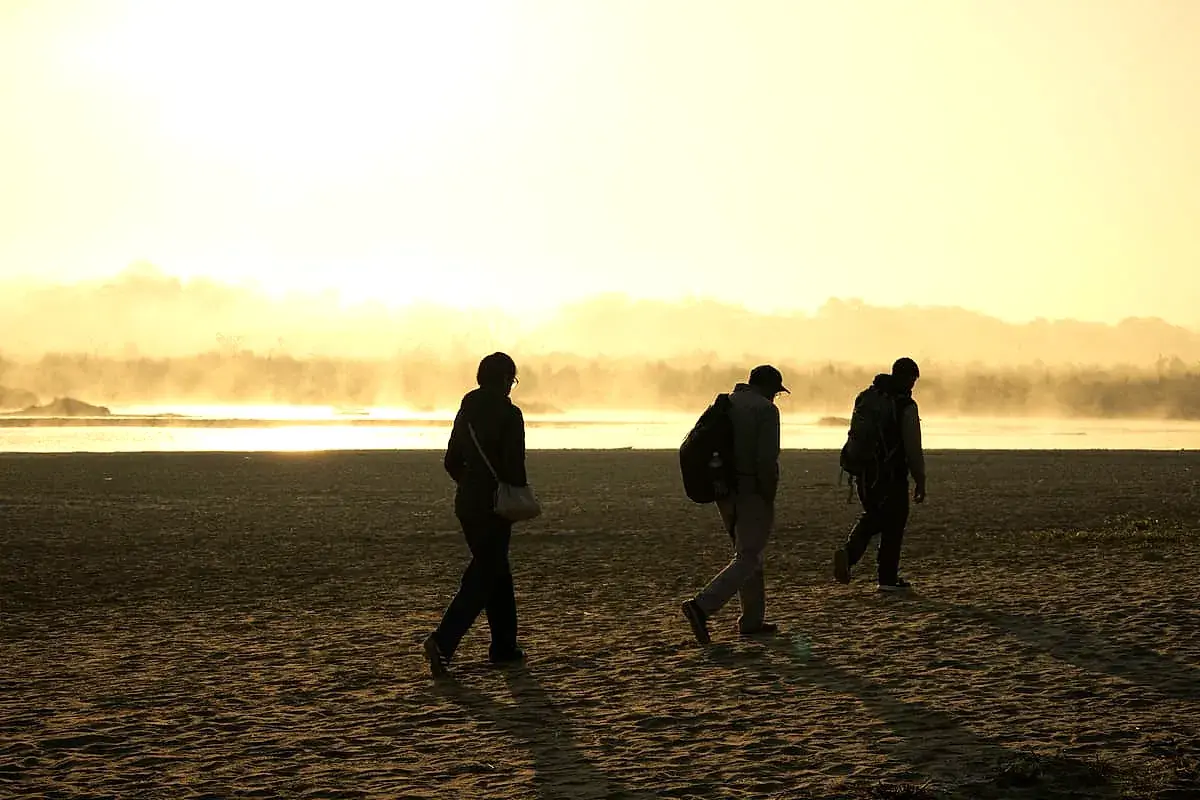
Guided bush walks with an armed ranger, half or full day.
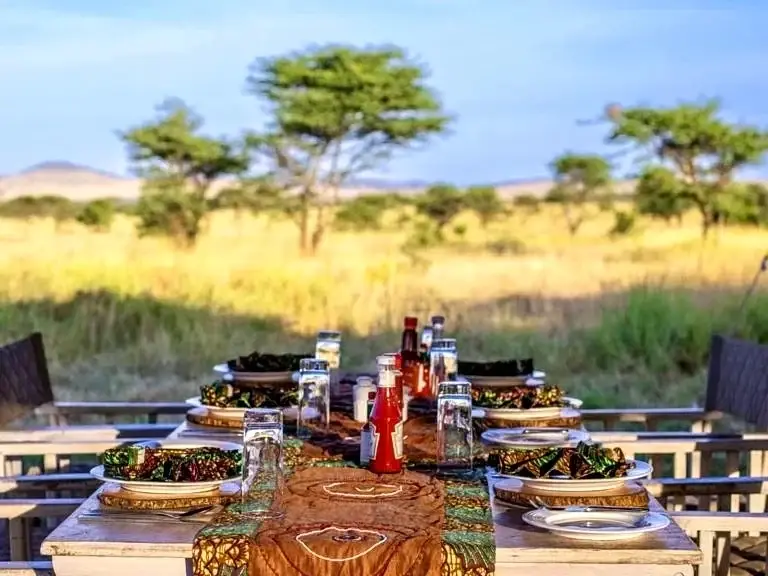
Drinks on a rocky outcrop and dinner under the stars.
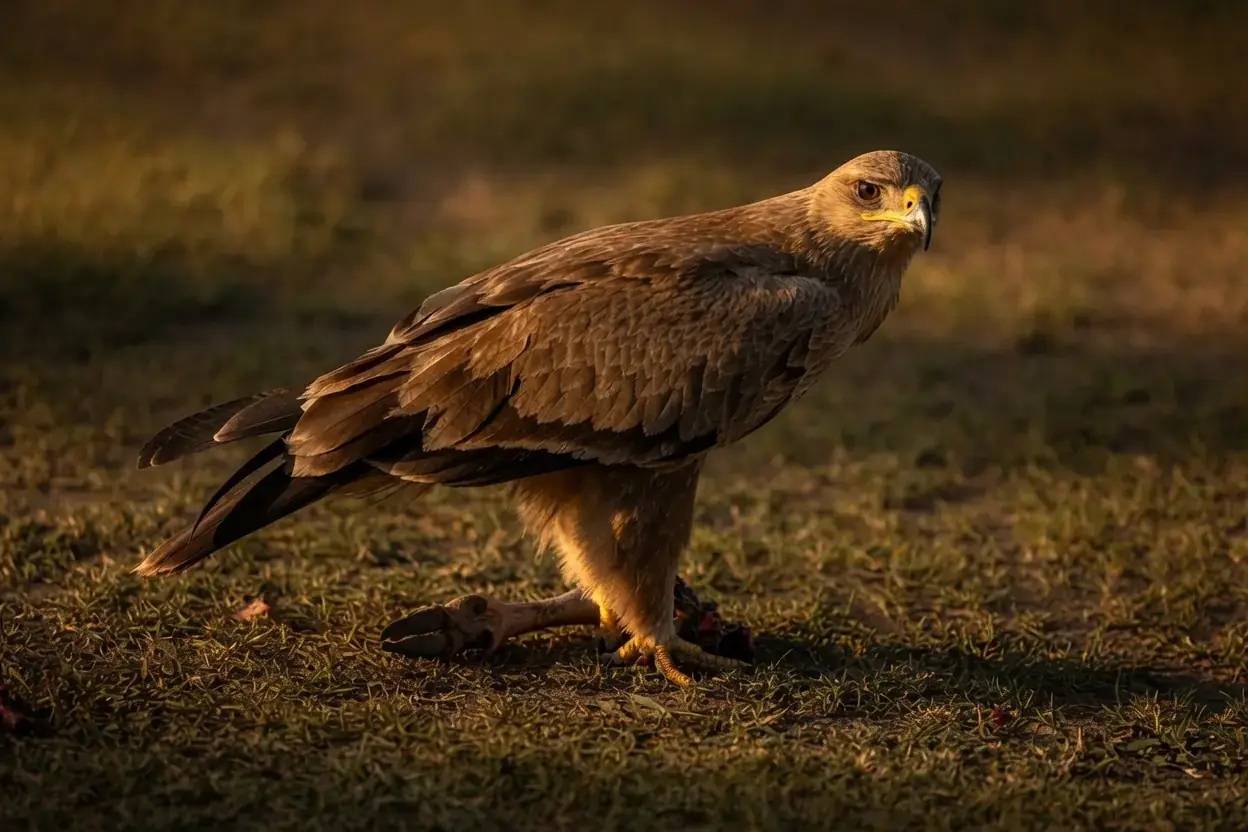
Big cats, baobabs and dramatic light with few vehicles around.
Where to stay
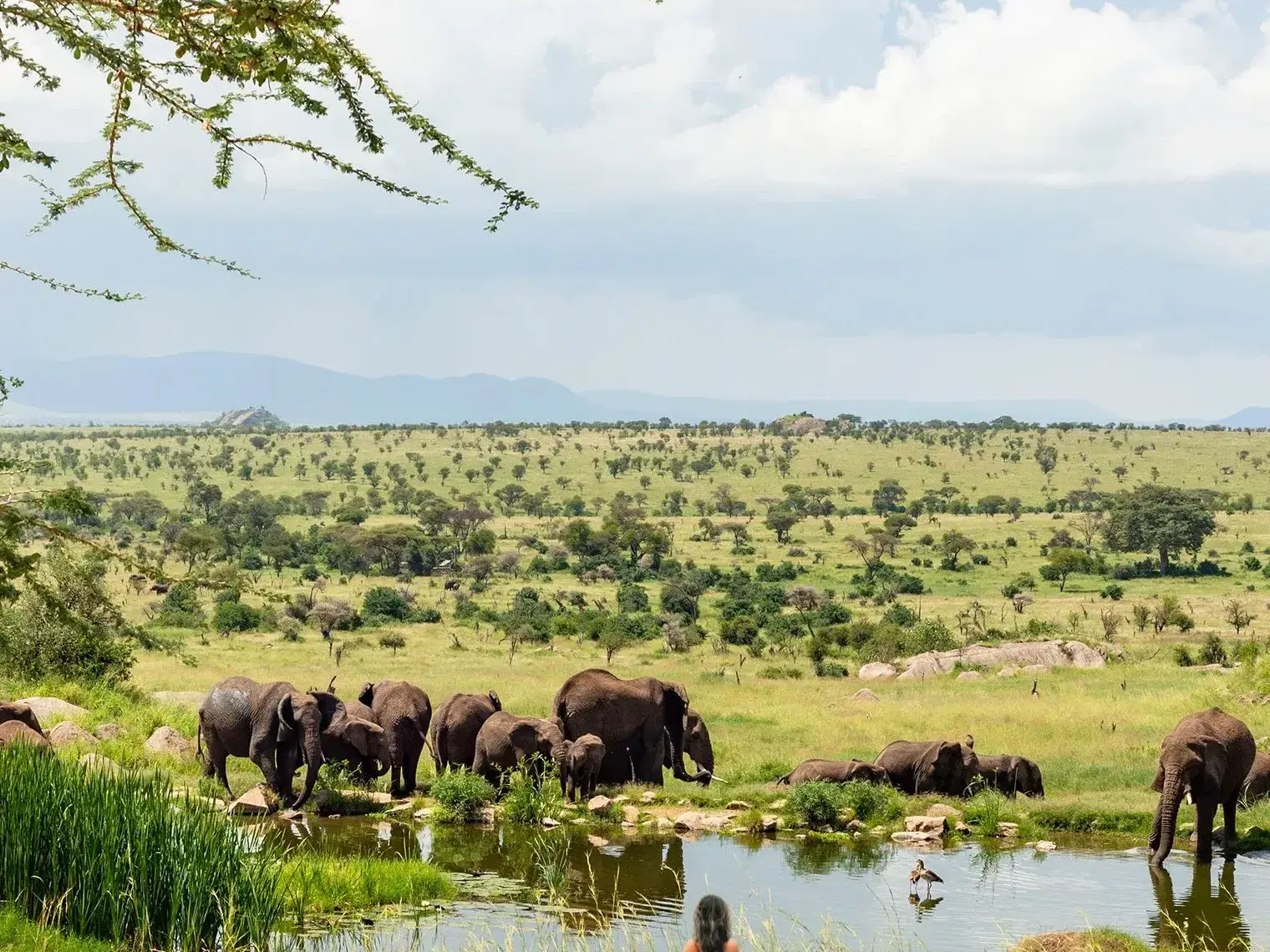
Lodges overlooking the Great Ruaha River, close to the action.
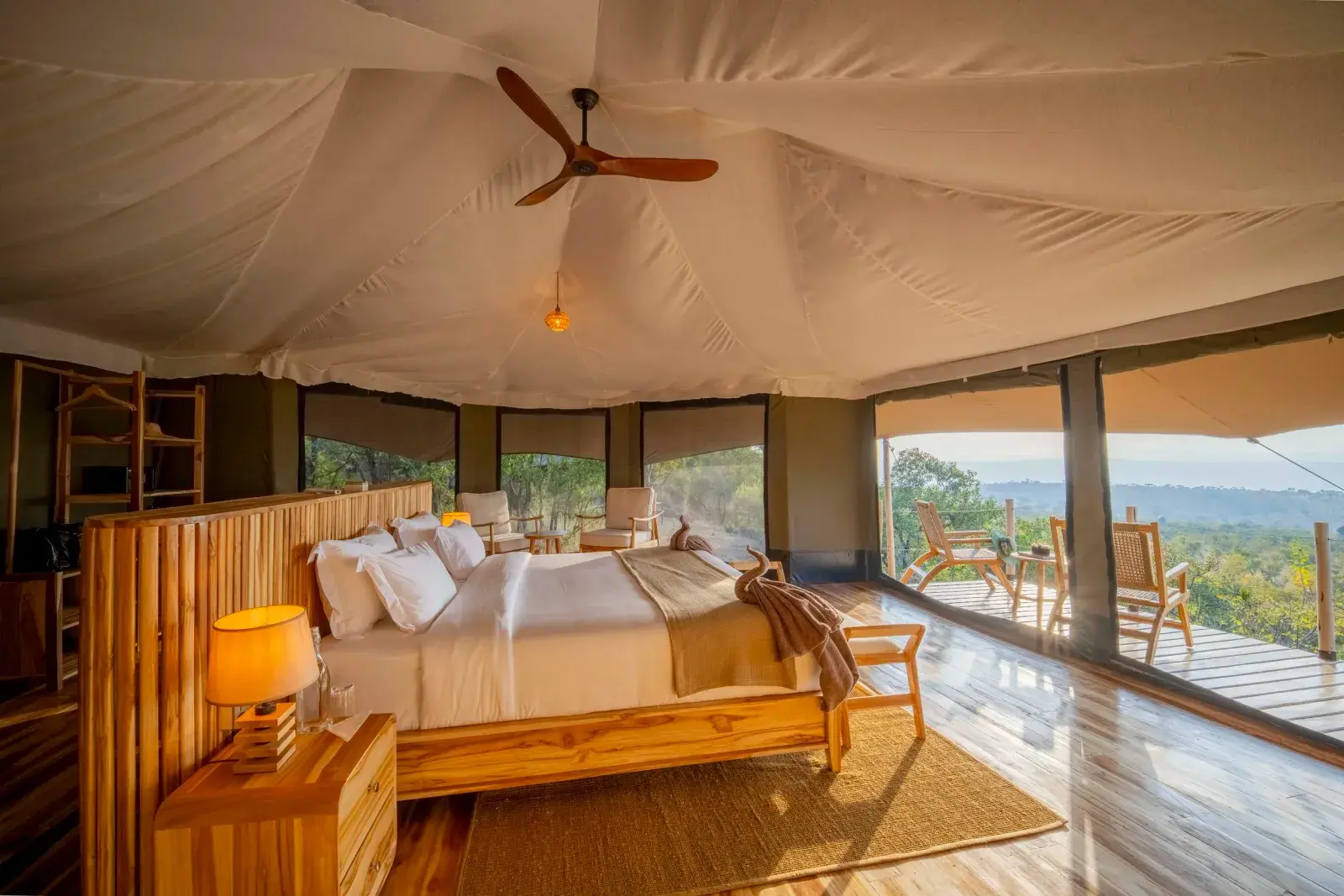
Small, intimate camps on the sand rivers, with excellent guiding.
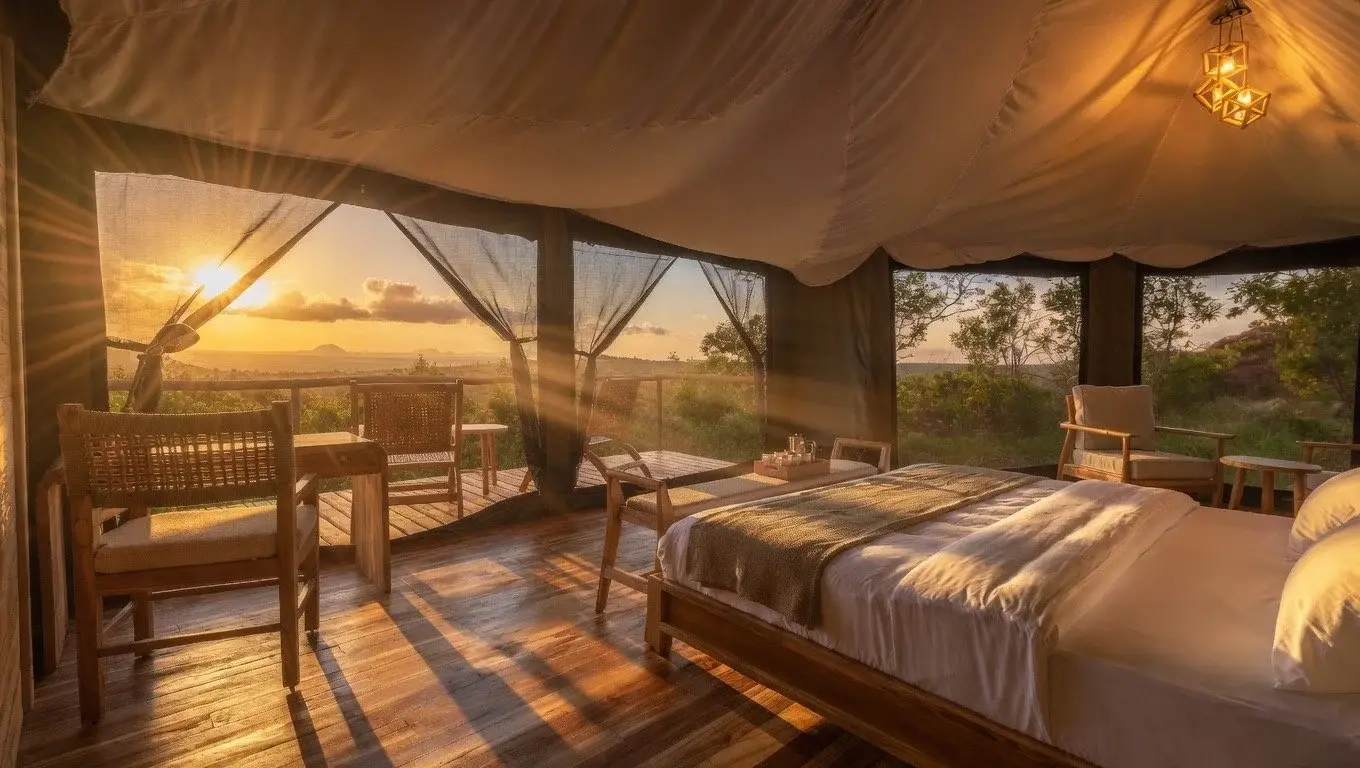
Camps in quieter areas of the park for complete solitude.
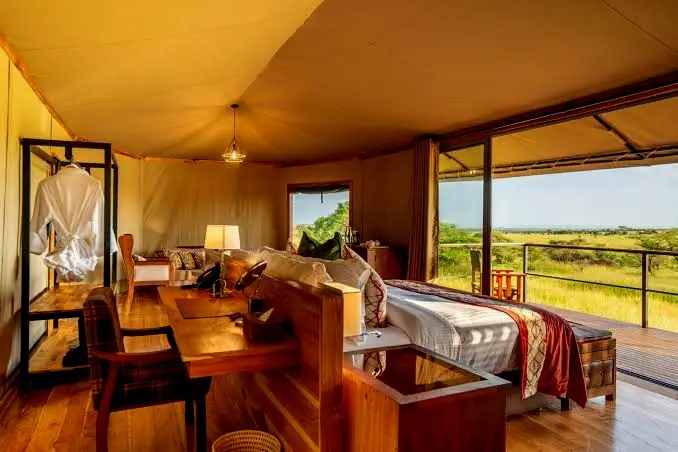
A night under the stars on a walking safari, where camps offer it.
Available in Classic, Signature or Bespoke styles. Facilities and activities vary by camp; we confirm everything in writing.
When to go
Dry season and the best time. Animals gather at the rivers, predators are active and walking is at its best.
Green season. Lush scenery, newborn animals and the best birding, with fewer guests and lower prices.
Long rains. Many camps close, so we plan around what is open.
At a glance
| Size | Over 20,000 km², one of Africa's largest national parks |
|---|---|
| Location | Southern-central Tanzania, near Iringa |
| Famous for | Lion prides, elephants, wild dogs, kudu, sable, baobabs |
| Birds | More than 500 species |
| Getting there | Fly in from Dar es Salaam, Zanzibar, Arusha or Nyerere; by road via Iringa |
| Crowds | Very few vehicles |
| Ideal stay | 3 to 4 nights |
| Best time | June to October |
Ruaha safaris
Combine Ruaha with
Boat safaris and wild dogs, a short flight away.
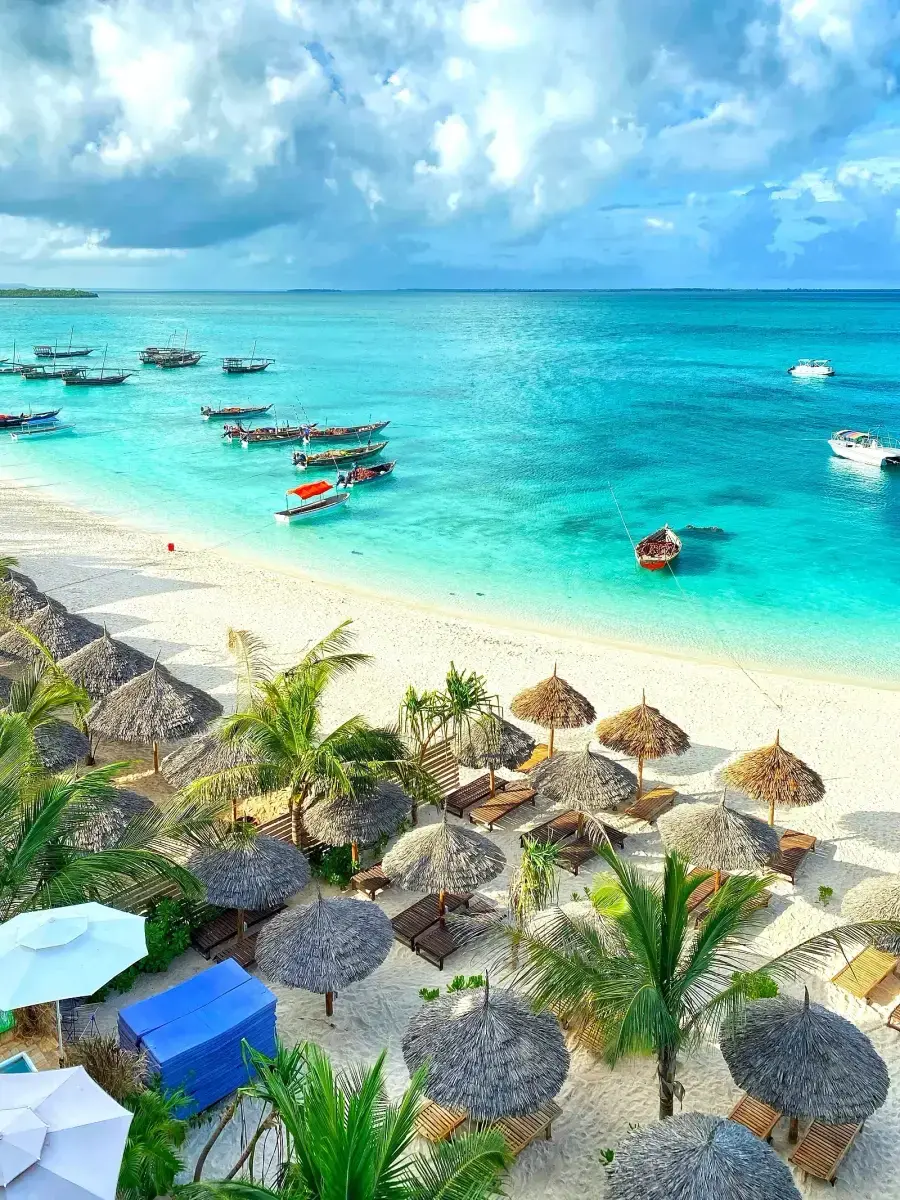
White sand and warm sea after the bush.
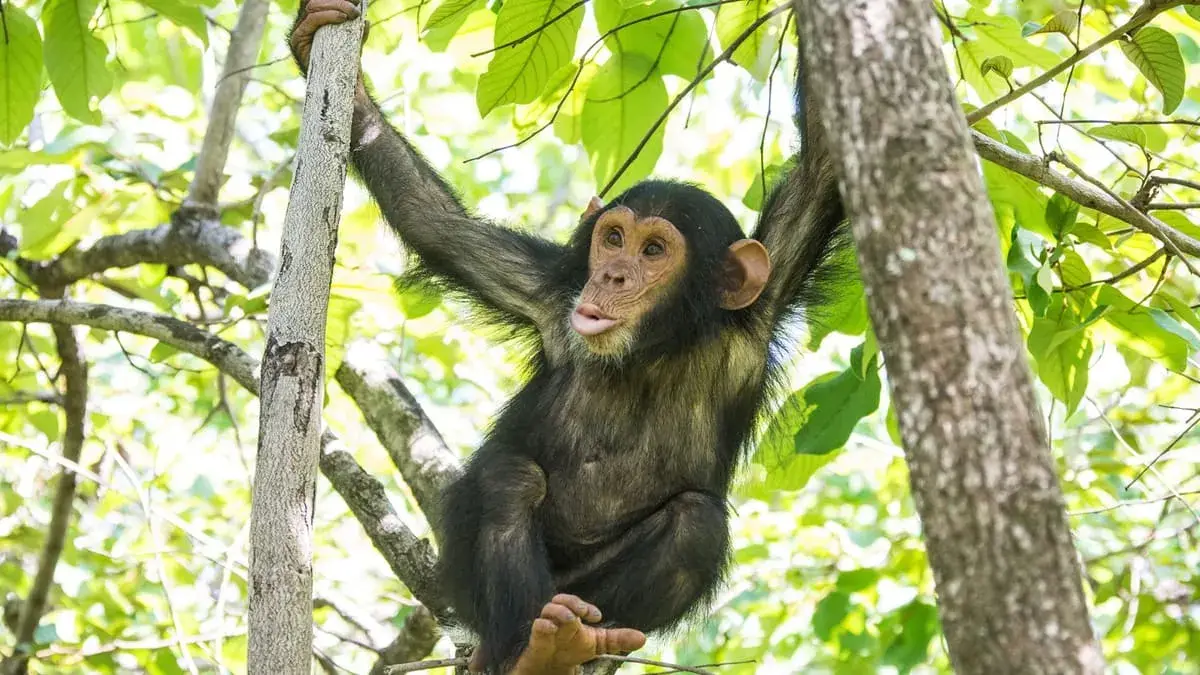
Chimpanzees and wild Katavi further west, by air.
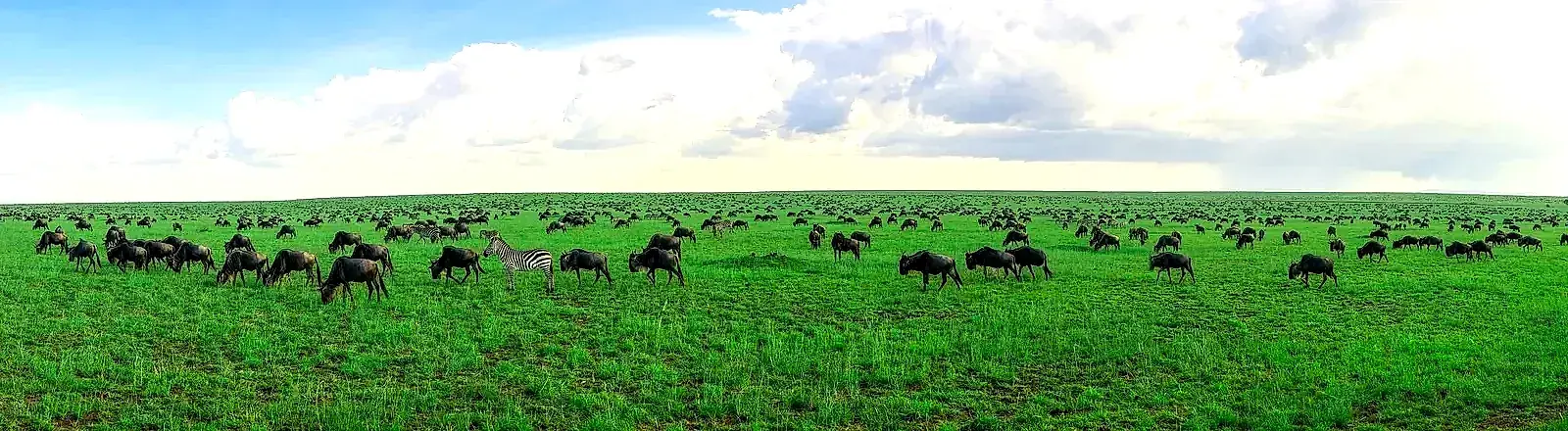
Add the north for the migration and the crater.
Our promise
Your Ruaha safari proposal is free, with no obligation.
Change camps, flights and days before you confirm.
Every inclusion and exclusion stated before you pay.
Questions travellers ask
Big lion prides, large elephant herds, wild dogs, kudu, sable antelope and baobab landscapes, with very few other vehicles.
Yes, especially if you want a wild, uncrowded safari. Ruaha has excellent predators and rare antelope, and it feels far more remote than the northern parks.
Most guests fly in on light aircraft from Dar es Salaam, Zanzibar, Arusha or Nyerere. You can also drive via Iringa, which takes most of a day from Dar es Salaam.
June to October, the dry season, when animals gather at the rivers. November to March is good for birds and green scenery. Many camps close in April and May.
Three to four nights. Ruaha is large and remote, so a longer stay is worth the journey.
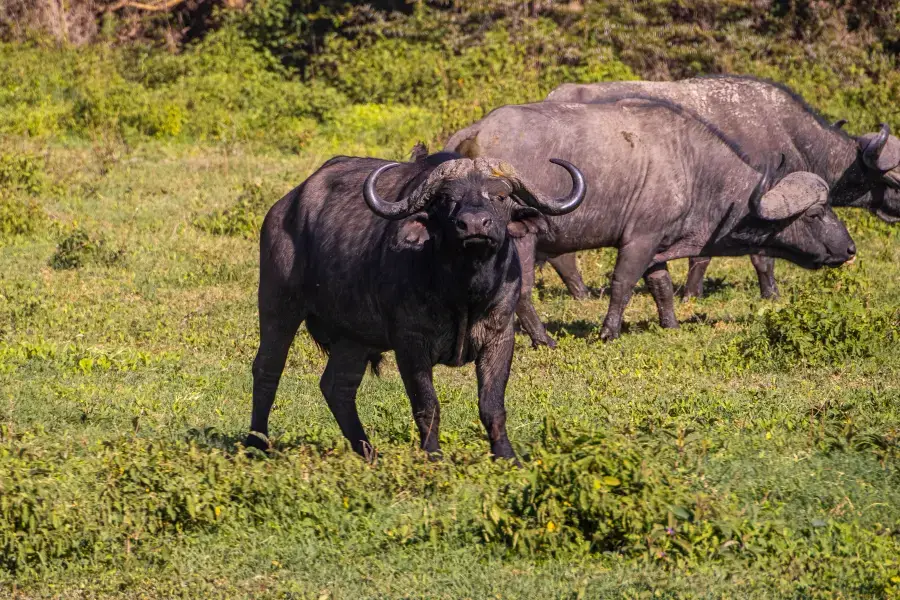
You can see lions, leopards, elephants and buffalo. Rhinos are not seen in Ruaha, so add the Ngorongoro Crater for all five.
Ruaha is drier and better for big lion prides, kudu and baobab landscapes. Nyerere has rivers and lakes for boat safaris. They combine well, a short flight apart.
Begin your journey
Tell us your dates and dreams. A private proposal reaches you within 24 hours.
Ready When You Are
Tell us your dates and interests — we'll shape a private itinerary suited to you, from the first game drive to the last sundowner.
Request a Quote