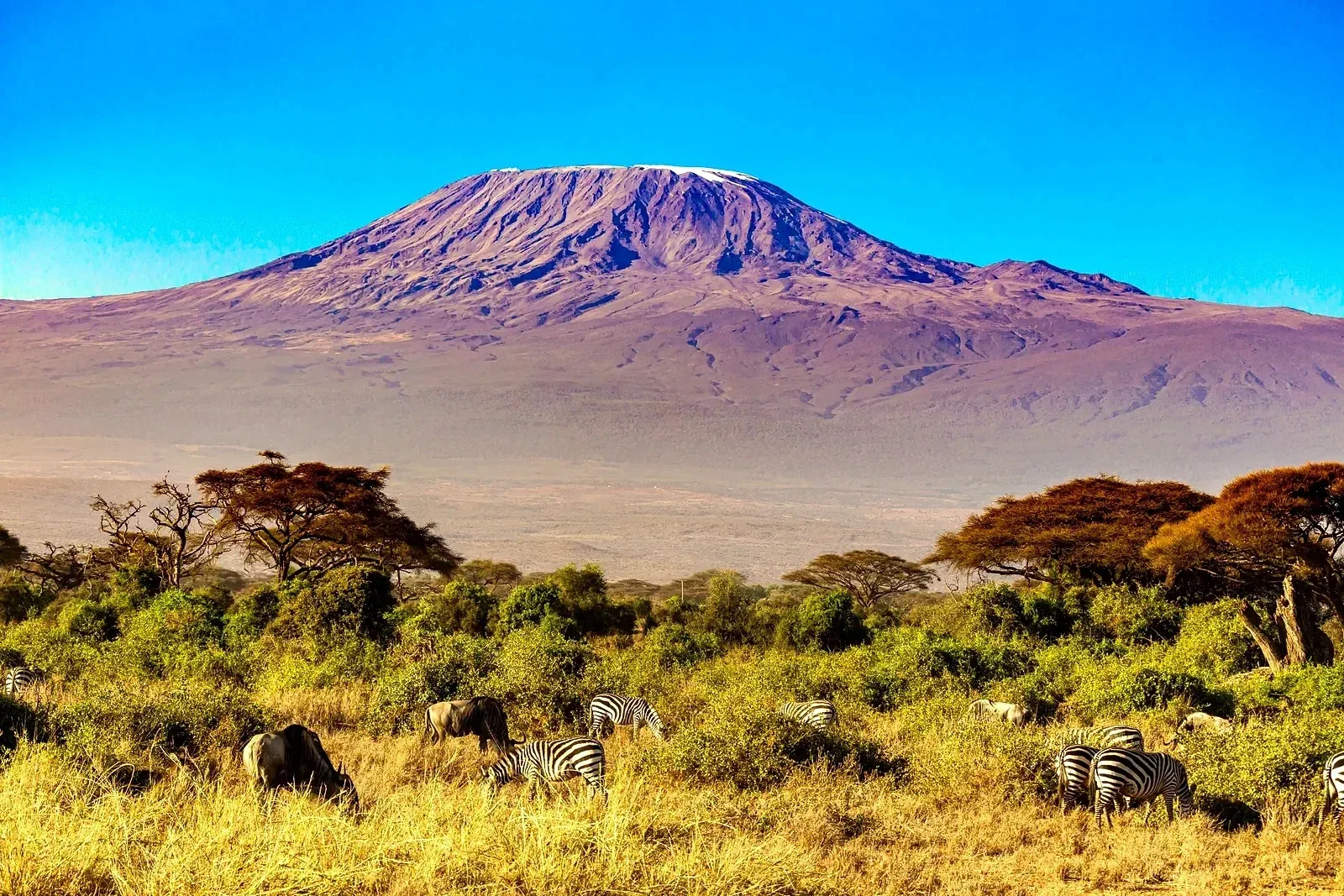
Kilimanjaro isn't a technical climb — it's a long walk at altitude, and the route you choose decides whether you enjoy it or just survive it. We've run trips on every major route for over 20 years and will match you to the one that fits your fitness, timeline and budget.
Why Climb With Us
Most operators push whichever route is cheapest to run. We ask how many days you have, how you handle altitude, and what kind of trip you actually want — a fast summit push or a slower acclimatization climb — before recommending anything. Our guides are Tanzanian, trained in Wilderness First Response, and know every route well enough to change your itinerary mid-climb if the weather or your body calls for it.
| Route | Days | Difficulty | Summit Success | Scenery | Traffic |
|---|---|---|---|---|---|
| Marangu | 5–6 | Easier | Lower | Good | Moderate |
| Machame | 6–7 | Moderate | Good | Excellent | Moderate |
| Lemosho | 7–8 | Moderate | High | Excellent | Low |
| Rongai | 6–7 | Moderate | Good | Good | Low |
| Umbwe | 6–7 | Hard | Moderate | Good | Very Low |
| Northern Circuit | 8–9 | Moderate | Highest | Excellent | Very Low |
Timing It Right
More days on the mountain means more time to acclimatize, and acclimatization is what determines whether you reach the summit — not fitness alone. A 5-day Marangu climb is possible but has one of the lowest success rates on the mountain. Adding two extra days to almost any route roughly doubles your odds. If your schedule allows it, we'll usually recommend the longer version of whichever route you're drawn to.
Choose Your Climb
Built from the six routes above, at different lengths and paces.
On The Mountain
Porter Welfare
Porters carry the mountain — tents, food, water, your bags — often at a pace that outruns the climbers. We follow weight limits for what a porter can carry, provide proper sleeping gear and rain gear, and pay above the standard daily rate. If you're comparing operators, ask this question directly; it's a fair way to judge who you're climbing with.
Safety
Kilimanjaro doesn't require technical climbing skill, but altitude sickness can affect anyone regardless of fitness level. Our guides monitor oxygen saturation daily, know the early signs of acute mountain sickness, and carry emergency oxygen and a Gamow bag on every climb. Evacuation procedures are set before you leave Moshi, not improvised on the mountain.
This is general trip information, not medical advice — speak with a doctor about your own fitness for high-altitude trekking.
Included
Not Included
Get Ready
You don't need to own everything on a packing list before you arrive — most trekking gear can be rented in Moshi, and we'll send a full kit list once you book. What matters more is preparation before you land: hiking with a loaded pack, building cardio base fitness, and if possible, spending a night or two at altitude beforehand.
Timing
January to March and June to October are the driest windows and see the most climbers. The shoulder months — late March through May, and November — bring more rain but far fewer people on the trail. Kilimanjaro can technically be climbed year-round; the trade-off is always weather versus crowds.
Extend Your Trip
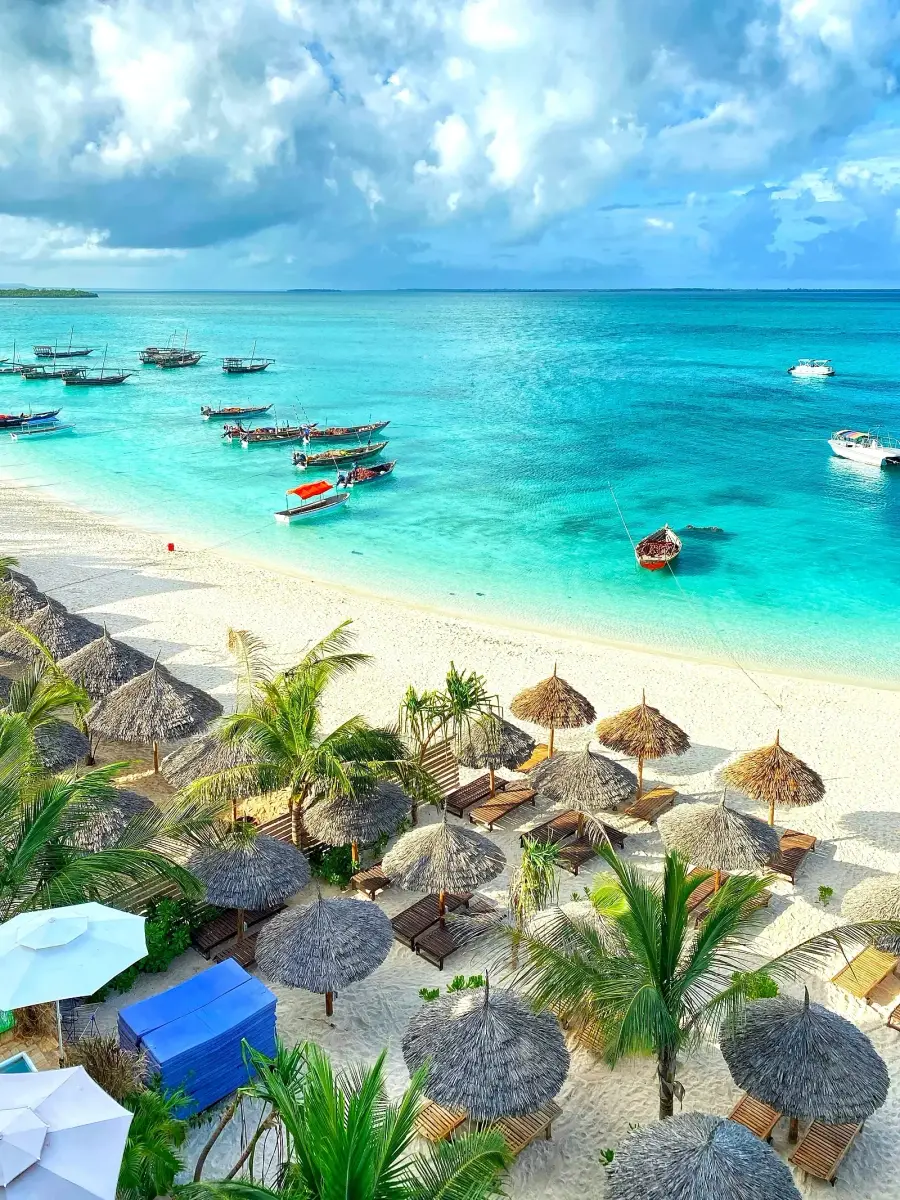
Most climbers build in recovery time after the summit, and a short safari or a few days on the beach in Zanzibar fits naturally into that window. We can attach either directly onto your climb itinerary.
The Whole Trip
Day 1
Arrive Kilimanjaro, briefing and gear check in Moshi.
Climb Days
Ascending through forest, moorland, alpine desert.
Summit Night
Night ascent to Uhuru Peak.
Descent
Down to lower camp, then to the gate.
Departure
Transfer back to Moshi or onward to safari/Zanzibar.
In Their Words
"Our guide turned us back within sight of Stella Point when my brother's oxygen dropped — the right call, even though it hurt to hear at the time."
Climber, Machame Route
"The extra two days on Lemosho made all the difference. We summited feeling strong, not wrecked."
Climber, Lemosho Route
"Quietest route on the mountain, exactly as promised — we didn't see another group for two full days."
Climber, Rongai Route
The Northern Circuit and Lemosho routes tend to have the highest success rates, largely because of their longer acclimatization profiles.
No technical climbing skill is required — this is a trek, not a climb in the mountaineering sense. Fitness and altitude tolerance matter more than experience.
Most operators, including us, set a minimum age of around 10, though this varies by route and family.
You should be comfortable hiking for 5–8 hours a day on consecutive days. Regular cardio training in the months before your climb makes a real difference.
Your guide monitors your oxygen levels daily and will recommend descent if symptoms become serious, regardless of how close you are to the summit.
Both are possible — you can join a scheduled group departure or book a private climb for just your party.
Start Planning
Thank you — we'll be in touch shortly with our route recommendation for your dates.
Ready When You Are
Tell us your dates and interests — we'll shape a private itinerary suited to you, from the first game drive to the last sundowner.
Request a Quote