Recommended
6-Day Marangu
Adds a full acclimatisation day at Horombo Hut, with a hike to Zebra Rocks.
- Much better acclimatisation
- Higher chance of reaching the summit
- More time to enjoy the moorland
- Best for first-time climbers
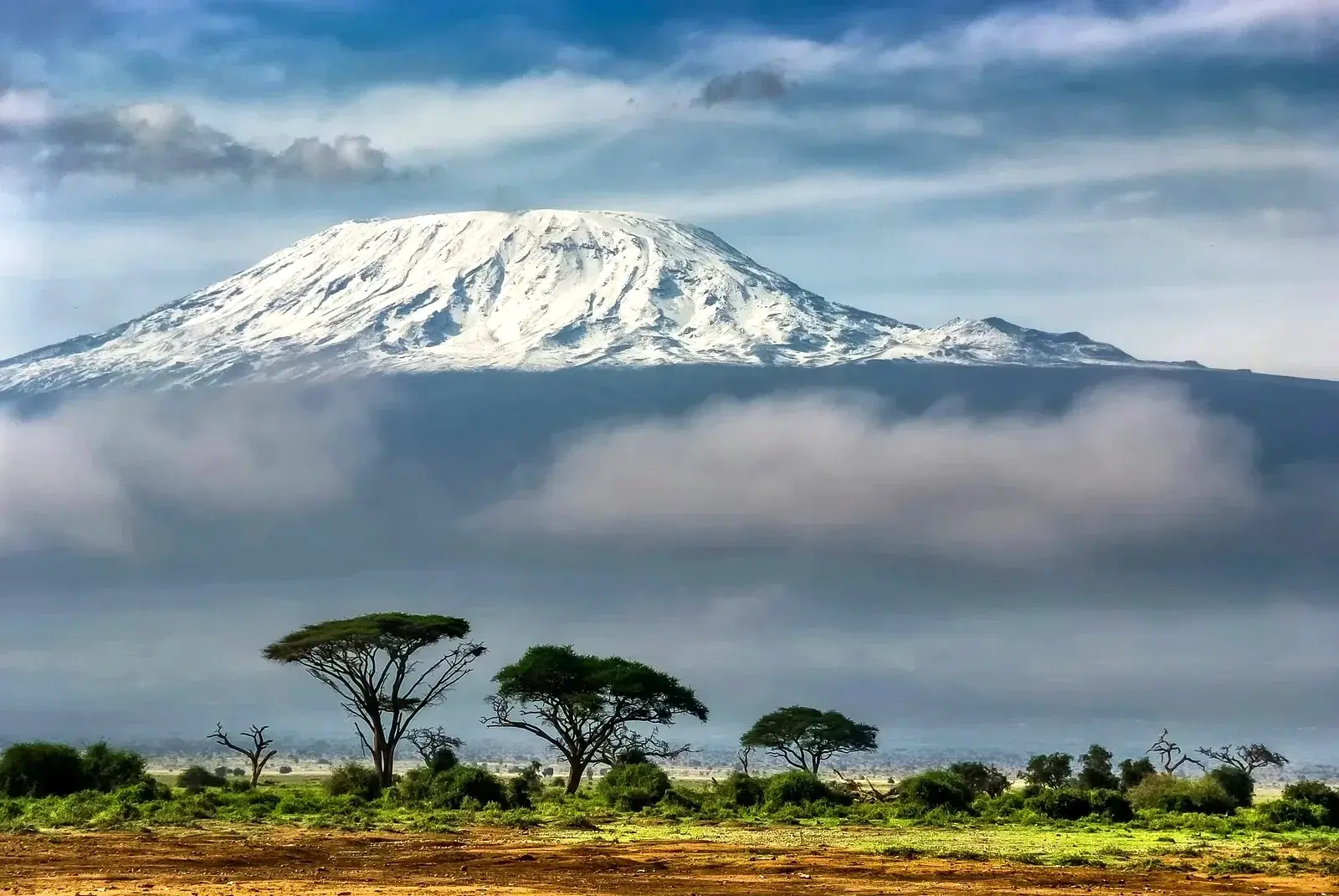
03°14′S 37°31′E Marangu Gate · 08:00
The Hut Route
Sleep in Huts The only hut route
Plan My Marangu Climb5-Star Rated · 20+ Years on Kilimanjaro · Experienced Mountain Crews
What is the Marangu Route?
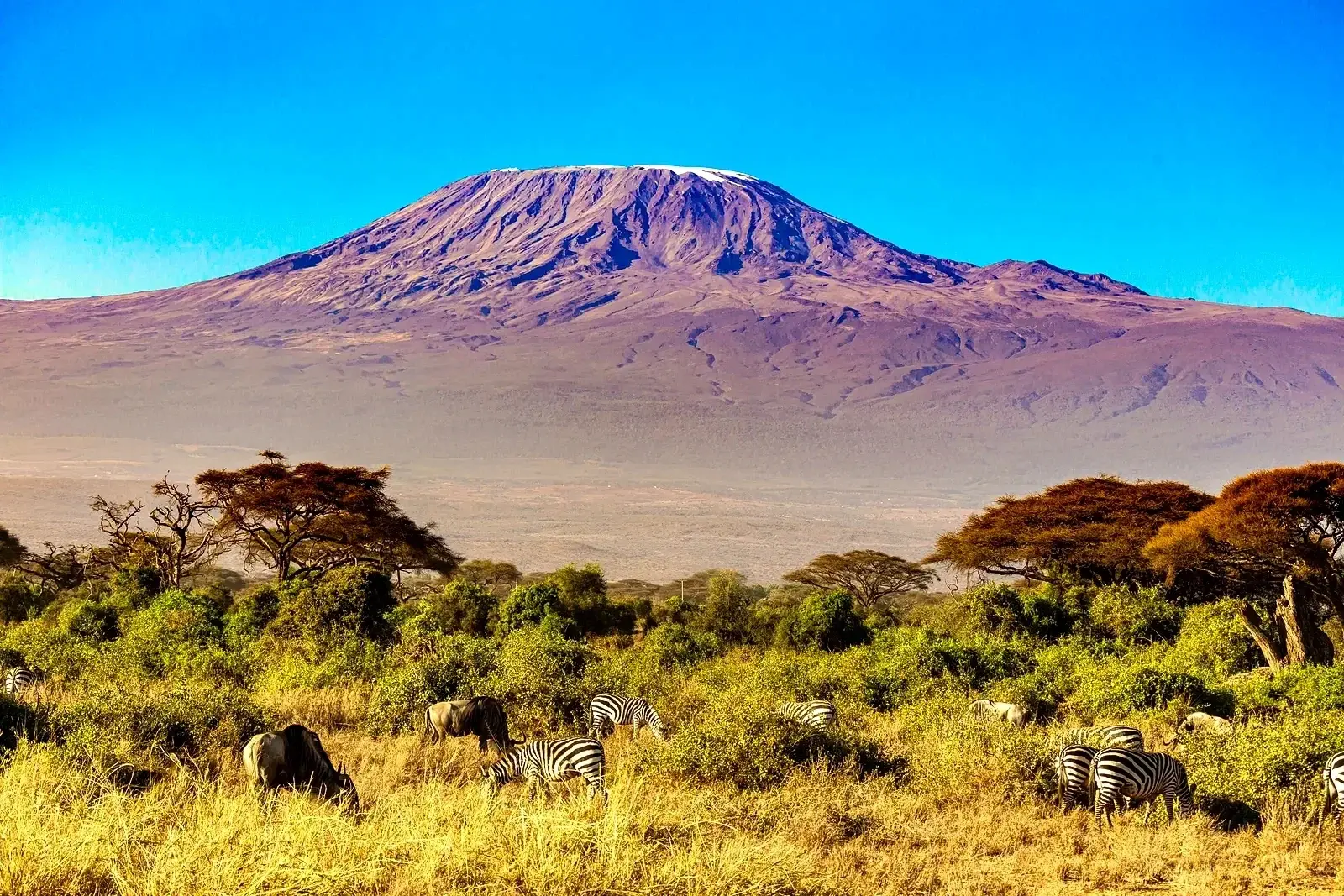
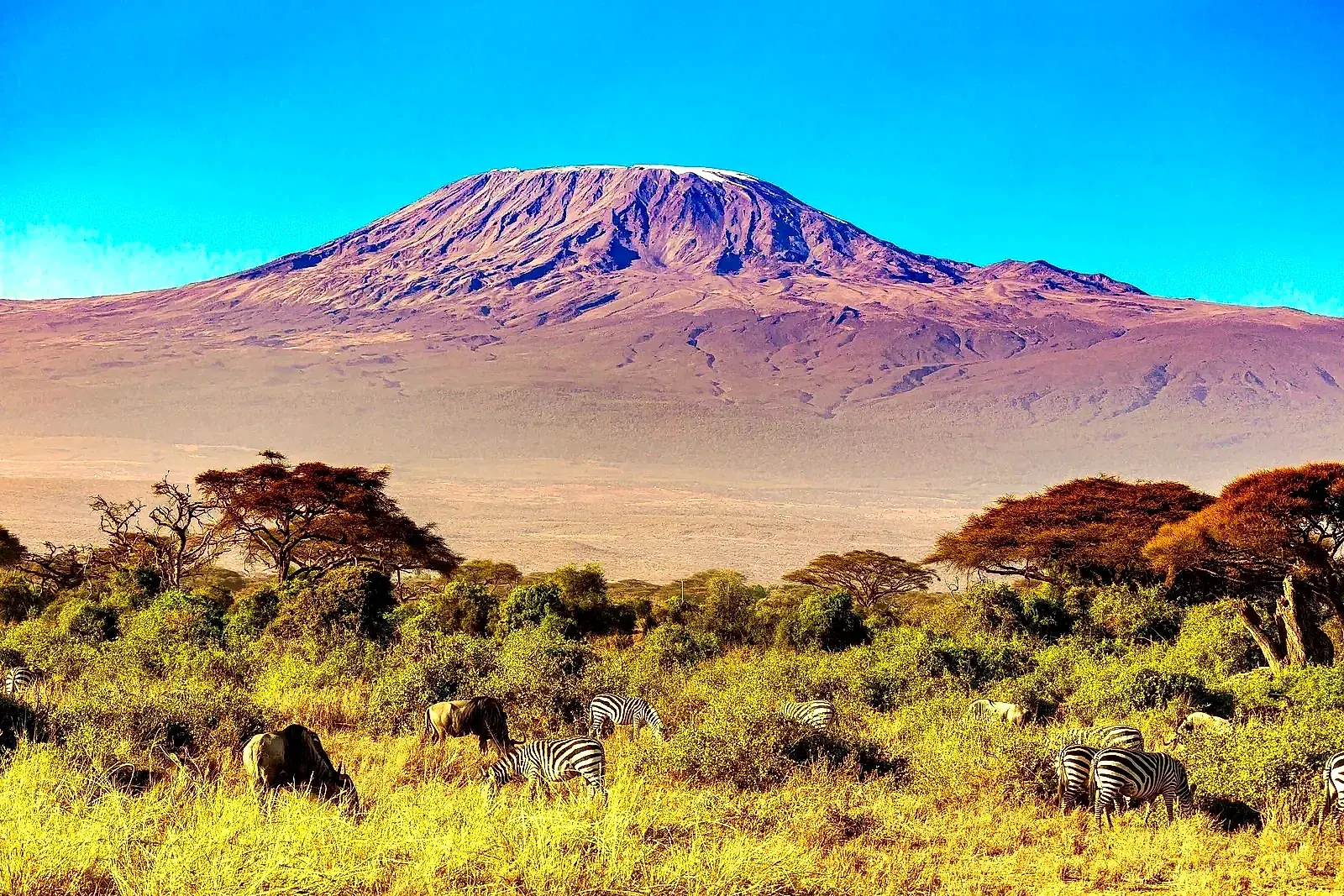
The Marangu Route is the oldest route up Kilimanjaro and the only one with mountain huts instead of tents. It starts at Marangu Gate on the south-east side, climbs through rainforest and moorland to Kibo Hut, and reaches Uhuru Peak (5,895 m) via Gilman's Point, returning on the same path. It takes 5 or 6 days and covers about 72 km. The 6-day version, with an acclimatisation day at Horombo Hut, is strongly recommended because the route climbs quickly.
Why Marangu
On Marangu, you sleep in huts with real beds, mattresses and shelter from the rain and wind. For many climbers, that comfort makes the whole week easier.
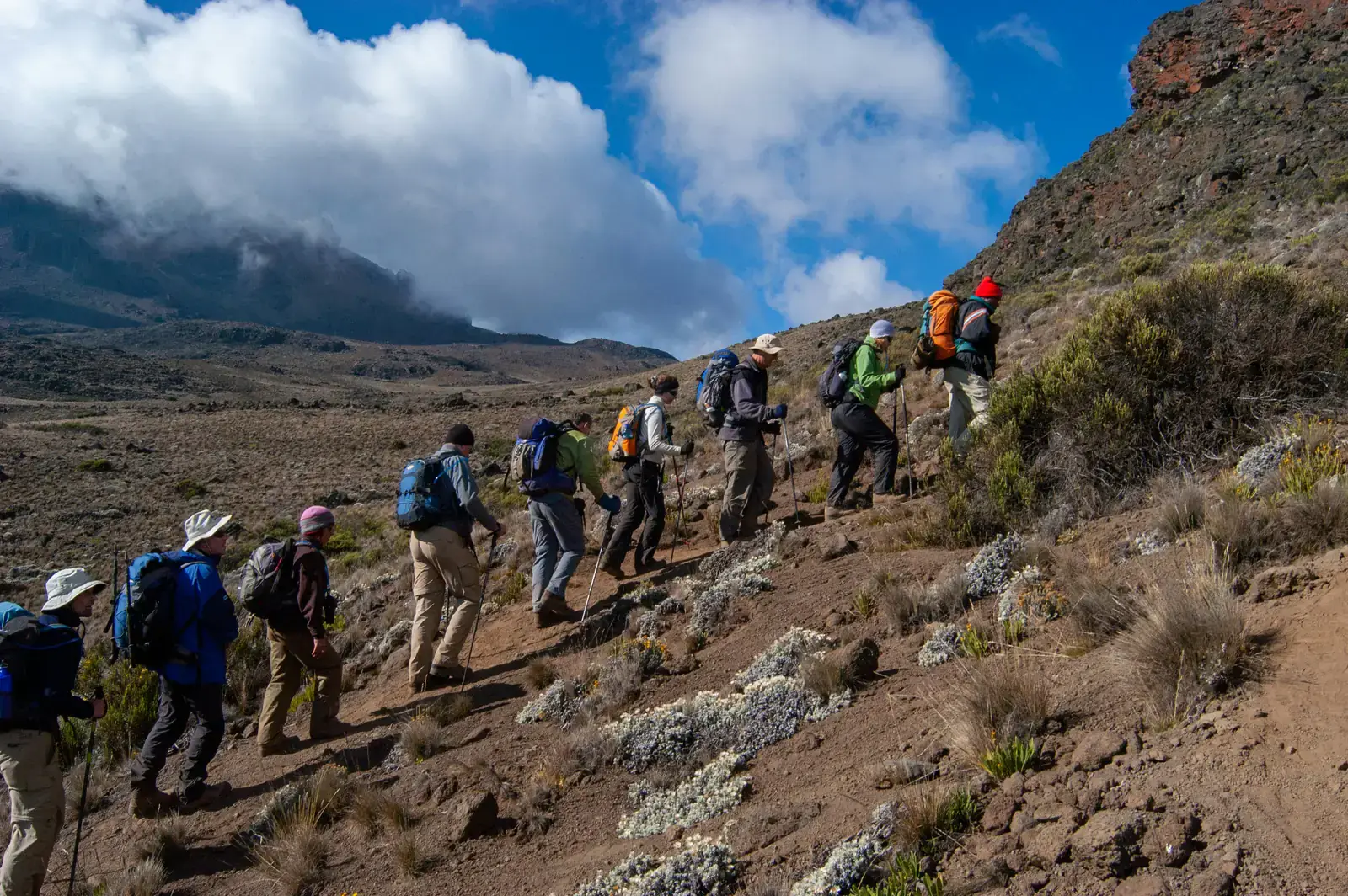
The path is steady and gentle, with no scrambles. It climbs through lush rainforest, open moorland and the wide lunar Saddle between Mawenzi and Kibo.
The trade-off is speed: Marangu gains height quickly. Add the extra acclimatisation day at Horombo and you give yourself a real chance at the summit, with a roof over your head every night.
Marangu Route
A roof every night. A steady path every day. Africa's summit at the end.
At a glance
| Duration | 5 or 6 days on the mountain (6 recommended) |
|---|---|
| Distance | About 72 km, up and down the same path |
| Start and finish | Marangu Gate, about 1,860 m |
| Summit | Uhuru Peak, 5,895 m, via Gilman's Point |
| Accommodation | Shared mountain huts with bunk beds |
| Difficulty | Moderate gradient, no scrambling; acclimatisation is the main challenge |
| Best for | Climbers who prefer huts to tents |
| Best time | January to mid-March and June to October |
Choose your days
Recommended
Adds a full acclimatisation day at Horombo Hut, with a hike to Zebra Rocks.
Not for most climbers
Climbs from Horombo straight to Kibo Hut without a rest day.
Both include a hotel night in Moshi or Arusha before and after the climb.
Day by day
Day 0
Airport pickup, rest, and a briefing with your lead guide. We check your gear and answer every question.
Day 1
A gentle walk through rainforest with colobus monkeys. In the afternoon, a short walk to Maundi Crater for views.
Day 2
Out of the forest onto open moorland with giant lobelias, and your first clear views of Kibo and Mawenzi.
Day 3
A short hike up to Zebra Rocks, then back to Horombo to rest. The day that makes the 6-day route much safer.
Day 4
Cross the wide, lunar Saddle between Mawenzi and Kibo to the last hut. Early dinner and rest before the summit.
Day 5
Start around midnight up the steep scree to Gilman's Point on the crater rim, then along the rim to Uhuru Peak for sunrise. Descend all the way to Horombo Hut.
Day 6
A long, easy walk down past Mandara to the gate. Collect your summit certificate, say goodbye to your crew and return to your hotel.
5-day version: skips the acclimatisation day, so you go from Horombo to Kibo Hut on Day 3 and summit on Day 4. Distances and times are approximate and depend on pace and weather.
The huts
| Hut | Altitude | What to expect |
|---|---|---|
| Mandara Hut | 2,720 m | Wooden A-frame huts in the forest edge, shared dining hall |
| Horombo Hut | 3,720 m | The largest hut camp, on the moorland with views of Kibo and Mawenzi |
| Kibo Hut | 4,703 m | A stone building with dormitories, cold and basic, before the summit |
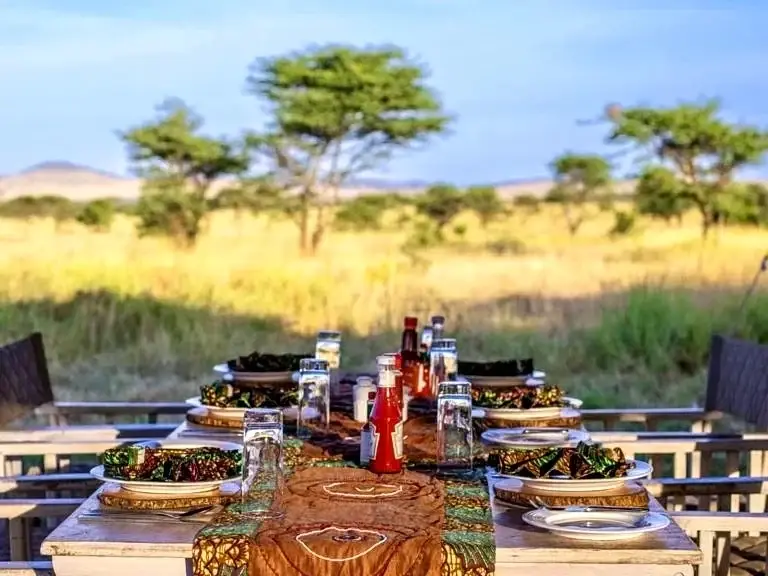
Huts are shared, with bunk beds and mattresses. Bring a warm sleeping bag. Our cook prepares all your meals.
Your climb with Yera
Your exact inclusions are confirmed in writing in your proposal.
Compare routes
| Marangu | Machame | Lemosho | |
|---|---|---|---|
| Days | 5–6 | 6–7 | 7–8 |
| Sleeping | Huts | Tents | Tents |
| Scenery | Good, same path up and down | Excellent and varied | Excellent, includes the Shira Plateau |
| Terrain | Gentle, no scrambling | Steeper, Barranco Wall scramble | Gradual, Barranco Wall scramble |
| Acclimatisation | Weaker (better with 6 days) | Good | Best |
| Best for | Hut comfort, rainy months, steady walkers | Most first-time climbers | Best summit chances |
When to climb
Dry and clear, cold at night. The most popular season.
Warmer, often clear, with fewer climbers than August.
Rainy seasons. Huts make Marangu the most comfortable choice if you must climb in the rains.
Our promise
We match the route and days to your fitness, not just your budget.
Daily health checks and a crew trained to turn back when it matters.
Your proposal is free, and every inclusion is stated before you pay.
Questions climbers ask
About 72 km over 5 or 6 days, going up and down the same path. The 6-day version with an acclimatisation day is recommended.
It has the gentlest path and hut comfort, but it climbs quickly, so altitude is the main challenge. With 6 days it is a good choice for steady walkers.
Shared huts with bunk beds and mattresses at Mandara, Horombo and Kibo. They are basic but dry. Bring a warm sleeping bag.
Because it was once seen as the easiest route, and soft drinks were sold at the huts. It is gentler than Machame, the "Whiskey Route".
Marangu has huts and a gentler path but weaker acclimatisation and the same path up and down. Machame is camped, steeper and more scenic, with better acclimatisation.
Yes. Because you sleep in huts, it is the most comfortable route when rain is likely, although we still advise against April and May.
At Gilman's Point, 5,685 m. From there it is about one to two more hours along the rim to Uhuru Peak.
Begin your climb
Tell us your dates and fitness. A private climb proposal reaches you within 24 hours.
Ready When You Are
Tell us your dates and interests — we'll shape a private itinerary suited to you, from the first game drive to the last sundowner.
Request a Quote